South Park has not only been one of the most popular shows of the past three decades, but one of the most controversial. Many of the best episodes that Trey Parker and Matt Stone ever created have been subjected to serious backlash, as South Park has been unafraid to tackle hot-button issues related to current events. Ironically, South Park has been such an “equal opportunity offender” that it has been challenging to ascribe a specific edict or political perspective to Parker and Stone; regardless of affiliation or belief system, South Park tends to skewer people who are incompetent, hypocritical, or narcissistic.
South Park is known for getting pretty extreme, which has led to some particularly wild and divisive installments that attracted attention from the media at large, proving that the show hasn’t lost any bit of relevance since it first debuted. Here are the ten wildest South Park episodes, ranked.
10
“Jared Has Aides”
Season 6, Episode 1 (2002)
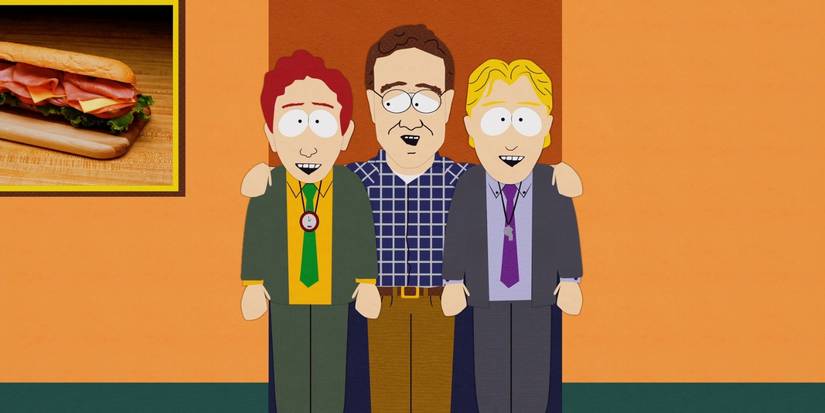 Image via Comedy Central
Although it has taken on even more relevance within the past decade, “Jared Had Aides” was a controversial South Park episode that became more wild with time. The episode parodies the advertising campaign by the Subway restaurant fast food chain that involved spokesperson Jared Fogle, who claimed to have lost weight by eating sandwiches. South Park suggested that he had actually gotten slim because he had contracted the AIDS disease, which leads Cartman to investigate the situation to see if Fogle has been lying about his dietary practices.
Although making light of a serious topic like AIDS was always going to be a controversial issue, “Jared Has Aides” ended up becoming more topical when details came to light about the sexual misconduct that Fogle had engaged in while he was still employed by Subway as the face of the brand.
9
“Dead Kids”
Season 22, Episode 1 (2018)
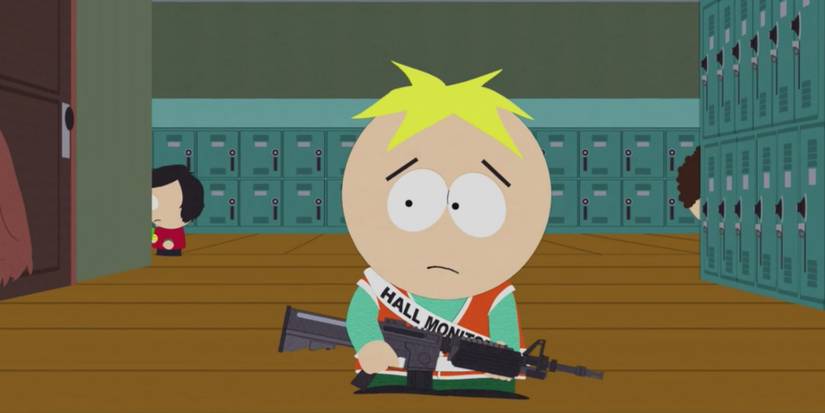 Image via Comedy Central
Although he has always been one of the funniest characters on South Park, Randy Marsh managed to hit a new low in the episode “Dead Kids,” which examined the rising level of school violence in the United States due to guns. While Randy’s wife, Sharon, has grown upset about the danger that her children are exposed to, he believes that she is going through a period of ill temper because of her menstrual cycle.
“Dead Kids” was a surprisingly dark episode that examined how commonplace school shootings had become, and why people may have become desensitized to the notion of seeing dead children on television. It also showed just how ignorant Randy had become, and why he was so narcissistic about the effect that he had on others, that he wasn’t willing to admit why his wife was actually upset.
8
“The Passion of the Jew”
Season 8, Episode 3 (2004)
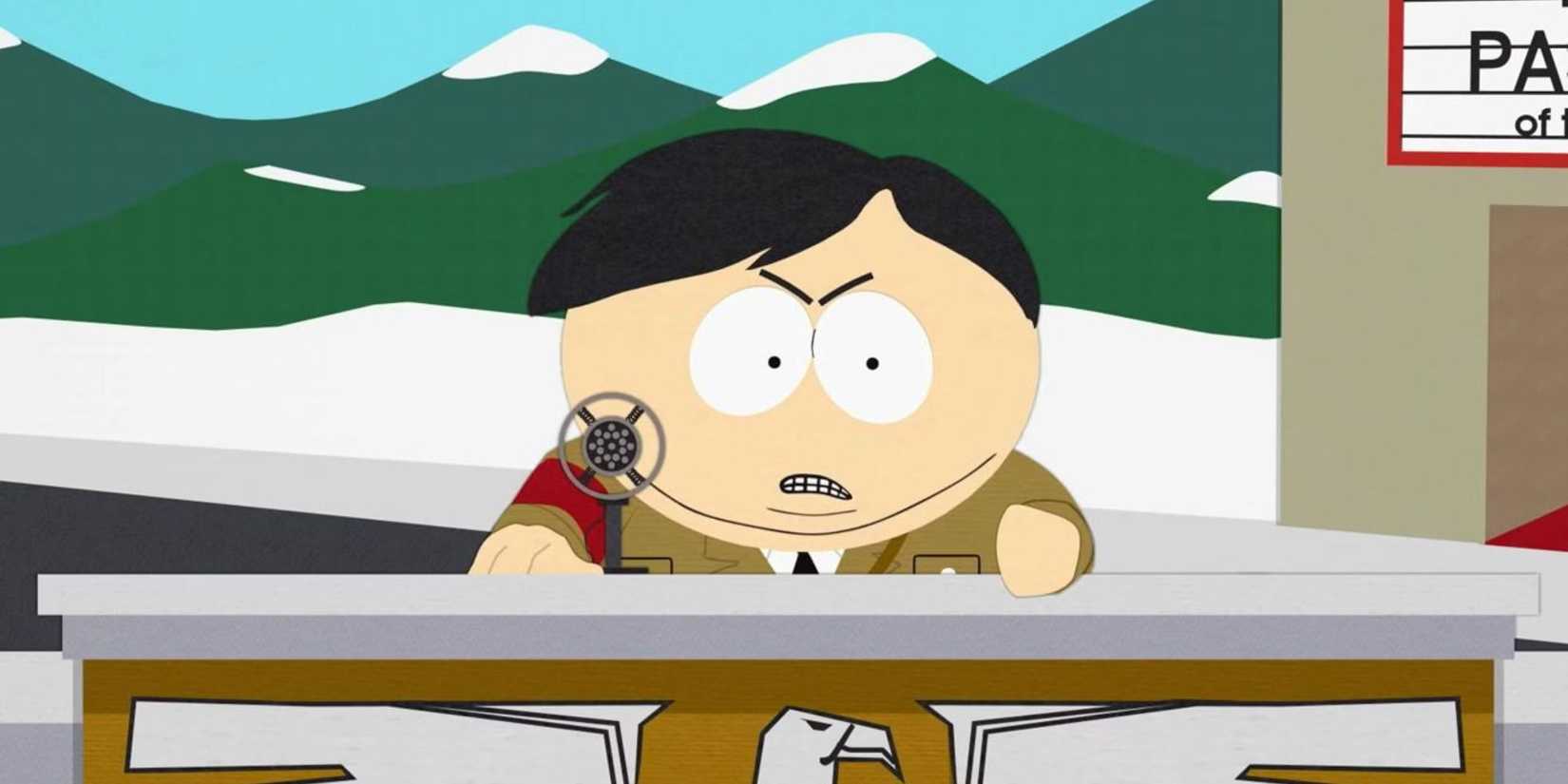 Image via Comedy Central
“The Passion of the Jew” is one of the most surprisingly impactful episodes of South Park, as it offered a means for people to deal with a real-world issue. Amidst growing controversies about the Mel Gibson film The Passion of the Christ, which many have accused of being anti-Semitic, Cartman uses the film as a means to bully Kyle, who is Jewish.
Kyle’s reaction to seeing The Passion of the Christ is surprisingly emotional, as he is so wounded by the film’s hatred of the Jewish people that he begins to let Cartman bully him even further. However, it is upon recognizing that Gibson is just an actor who has some wild viewpoints that Kyle realizes that he should not base his cultural identity on the way that it is portrayed in a film. Ironically, this was a more rational reaction to The Passion of the Christ than most reviews at the time.
7
“Sermon on the Mount”
Season 27, Episode 1 (2024)
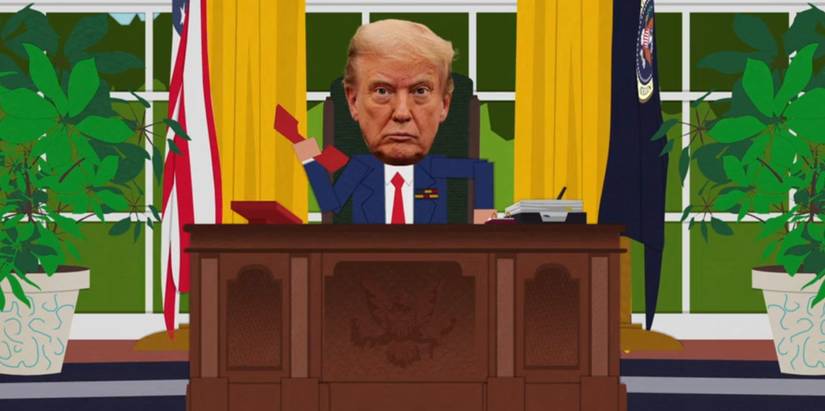 Image via Comedy Central/Paramount+
South Park proved it was just as relevant as it always was in its latest season with “Sermon on the Mount,” an episode that mercilessly parodied President Donald Trump, and even sparked outrage from his real administration. By paying off a plot point that was set up way back in the 1999 theatrical film South Park: Bigger, Longer and Uncut, “Sermon on the Mount” implied that Trump was in a relationship with Satan.
Although the series had previously explored the ramifications of the 2016 election through an extended storyline in the 20th season involving Mr. Garrison, “Sermon on the Mount” served as a direct attack on Trump and was quite unsparing in its satire. While the Trump administration has bullied and silenced many of its critics, Parker and Stone have become too powerful to ever be threatened by the current executive branch.
6
“Super Best Friends”
Season 5, Episode 3 (2001)
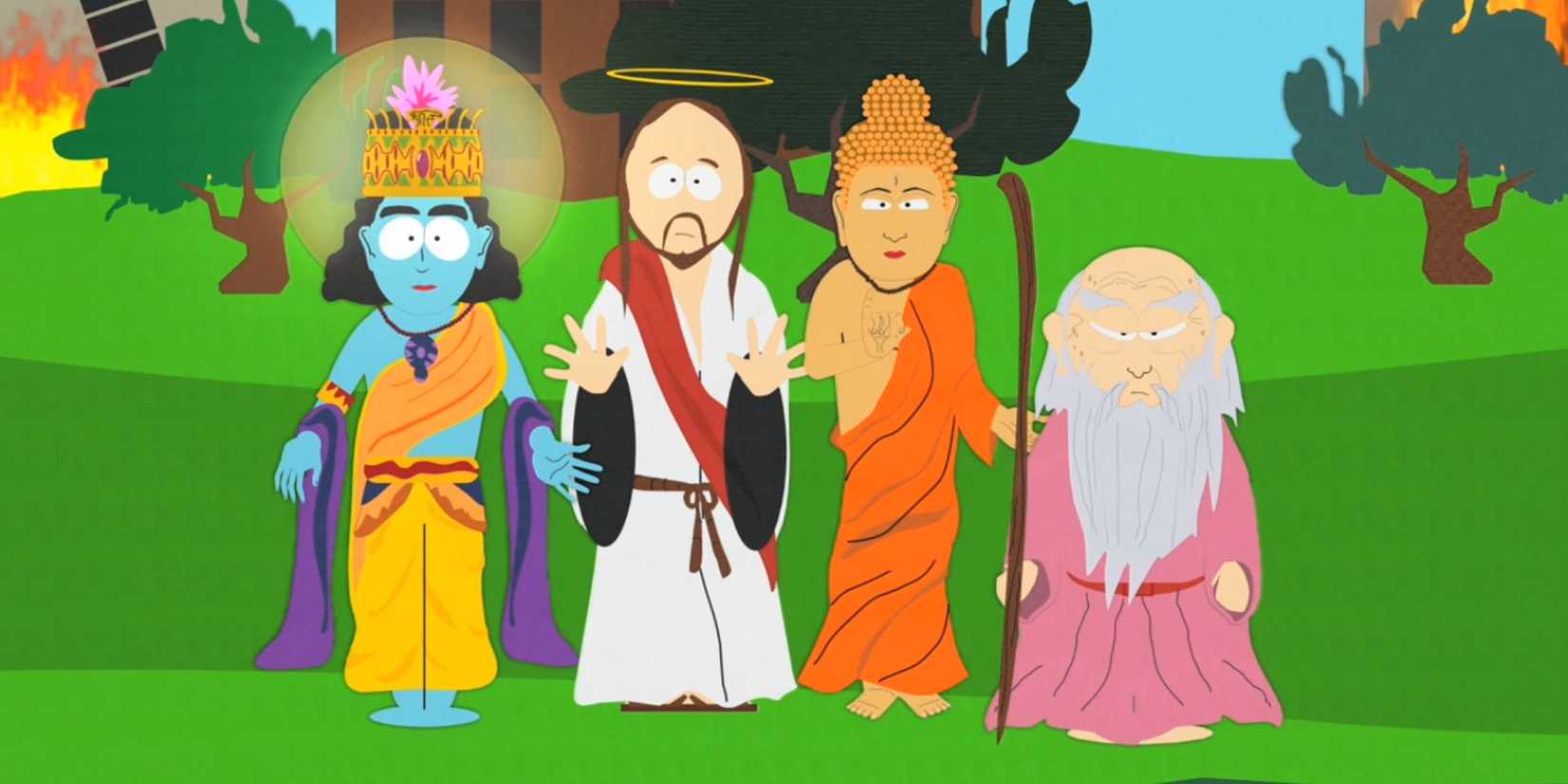 Image via Comedy Central
Few South Park episodes have been as controversial as “Super Best Friends,” which provoked such extreme responses that it was pulled from some streaming outlets. Although it ostensibly started as a satire of the Super Friends cartoon series, the episode created a hilarious storyline involving the magician David Blaine, who starts a suicide cult that shares some similarities with Scientology.
Although it wasn’t the first or last time that the show would take shots at Scientology, “Super Best Friends” attracted additional controversy due to the depiction of the Muslim prophet Muhammad, which sparked some backlash and cries for censorship. Due to continued controversies regarding the depiction of Muhammad in comedic instances, including the Charlie Hebdo shooting in 2015, the episode was pulled from all streaming services, as some theorized that it could spark more violent reactions from radical fundamentalist groups.
5
“With Apologies to Jesse Jackson”
Season 11, Episode 1 (2007)
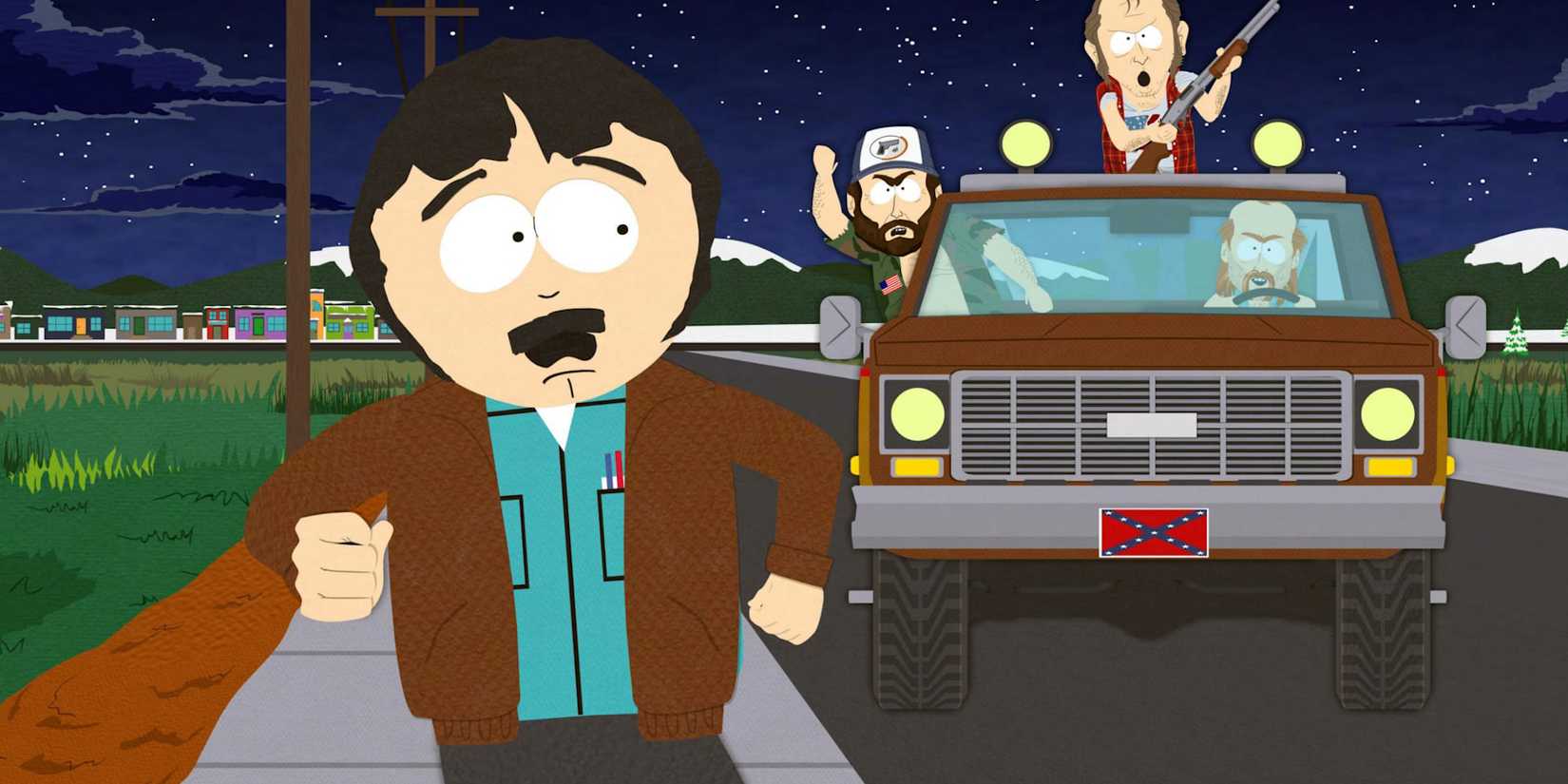 Image via Comedy Central
“With Apologies To Jesse Jackson” was another great episode about Randy, who proved once again to be one of the most evolved characters in South Park. After he accidentally utters a racial epithet while competing on a live television game show, Randy is shamed by his community and forced to make a series of apologies to powerful African-American thought leaders, including former Presidential candidate Jesse Jackson.
“With Apologies to Jesse Jackson” may have incited controversy due to its use of racial slurs, but the episode examined the falsity of many organized “apologies” and explored how they didn’t actually solve any real issues with regard to institutional racism. It also showed once again why Randy was a hypocrite, as he would often hijack political causes for the sake of being able to express outrage while working as part of a resistance movement.
4
“The Death of Eric Cartman”
Season 9, Episode 6 (2005)
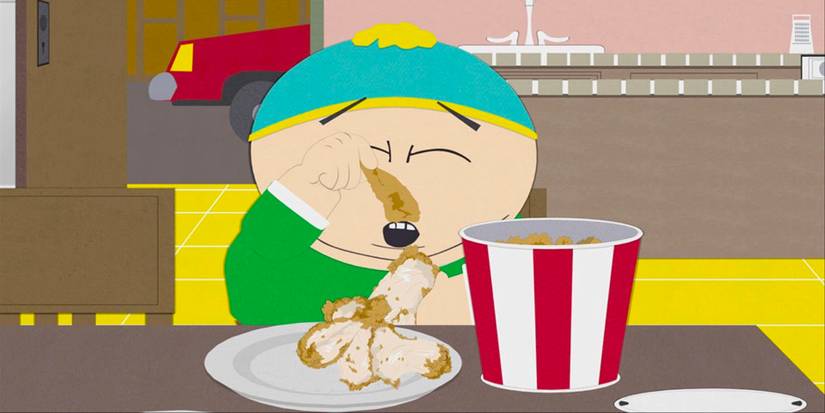 Image via Comedy Central
“The Death of Eric Cartman” is one of the most important episodes of South Park, as it examined what a self-centered, yet surprisingly intelligent character Cartman could be. After being frustrated by Cartman’s continuously negative attitude, the other boys decide to pretend that he is dead; this sparks Cartman to try to fix his perspective on life and become a better person, just to prove them wrong.
“The Death of Eric Cartman” shows the tragic irony to Cartman as a character, as he is willing to do hard work and commit to an idea, but only if it is so that he can claim that he was right all along. Although it threatened to actually evolve him into a more mature character, “The Death of Eric Cartman” thankfully ends by confirming that Cartman will never change, and still has no compassion.
3
“Cartoon Wars”
Season 10, Episodes 3-4 (2006)

“Cartoon Wars” was proof that South Park would go where no other animated shows would dare, as Parker and Stone showed no concerns about disrupting other creators within the adult cartoon space. In a searing attack on Family Guy, Cartman discovers that Seth MacFarlane’s writing room consists of manatees that simply link non-sequitors with popular culture references.
Although the satire of Family Guy provoked interesting reactions from other writing staff for animated shows, “Cartoon Wars” was particularly controversial because of its depiction of Muhammad, and how it examined the ramifications of satirizing the Muslim religion and how it could invite opportunities for censorship and political violence. Both parts of the episode were removed from most physical releases of the show and were not made available when the entire South Park catalog was put on both HBO Max and Paramount+.
2
“Trapped in the Closet”
Season 9, Episode 12 (2005)
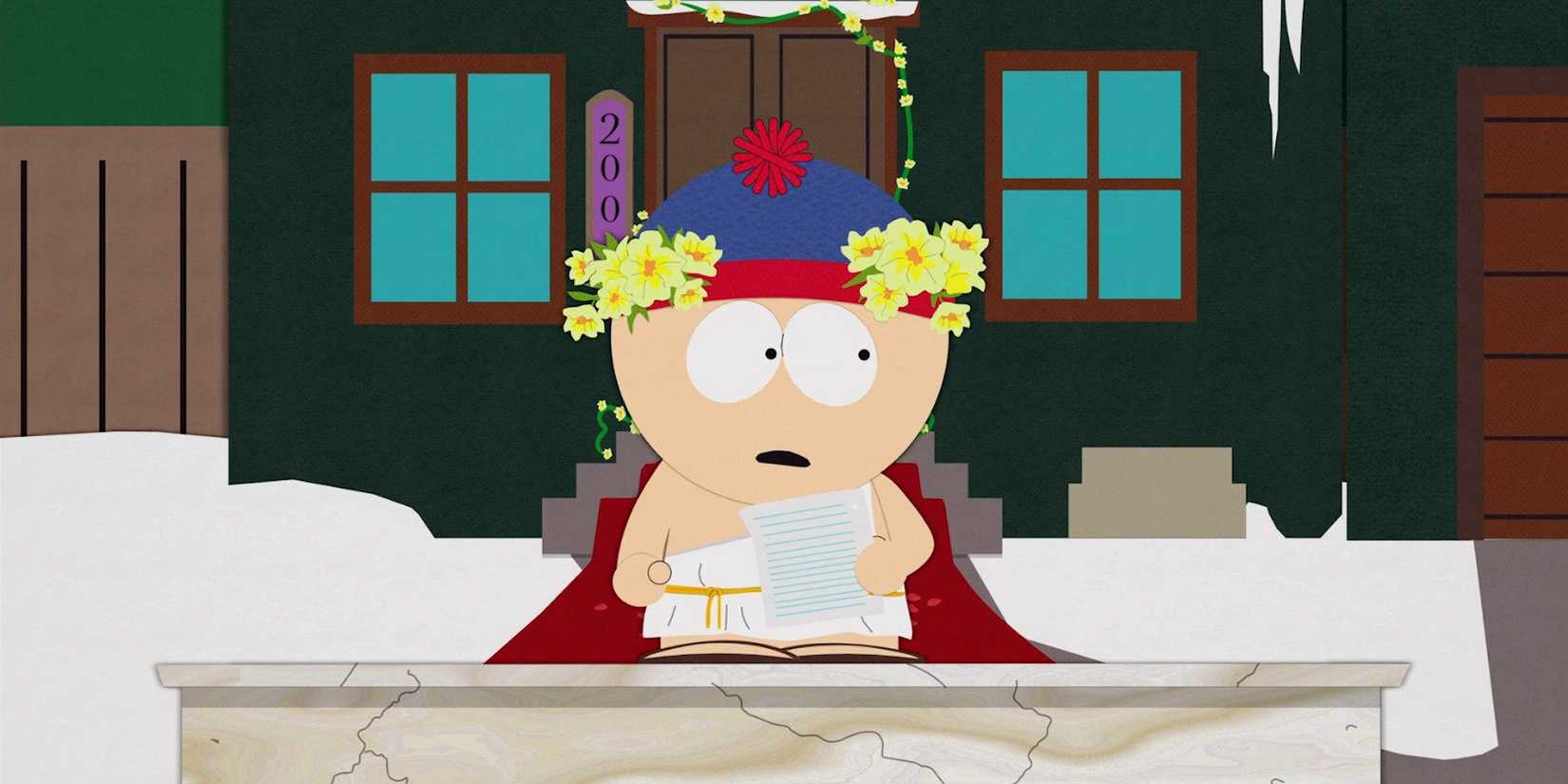 Image via Comedy Central
“Trapped in the Closet” is one of the most essential South Park episodes because of the heavy amount of controversy and backlash that it inspired. In one of the most searing depictions of Scientology within the show’s history, “Trapped in the Closet” explores the public persona of Tom Cruise, who is revealed to be literally trapped in a closet that Kyle has to get him out of.
“Trapped in the Closet” led to some legitimate marketing concerns, as South Park aired on Comedy Central, owned by the parent company of Paramount Pictures; this was the same studio that was releasing Mission: Impossible III, which starred Cruise. After the episode missed its initially scheduled airdate, controversy emerged when it appeared that Cruise and his representatives had pressured Paramount to censor the episode, which led some South Park fans to attempt a boycott of Mission: Impossible III.
1
“Scott Tenorman Must Die”
Season 5, Episode 5 (2001)
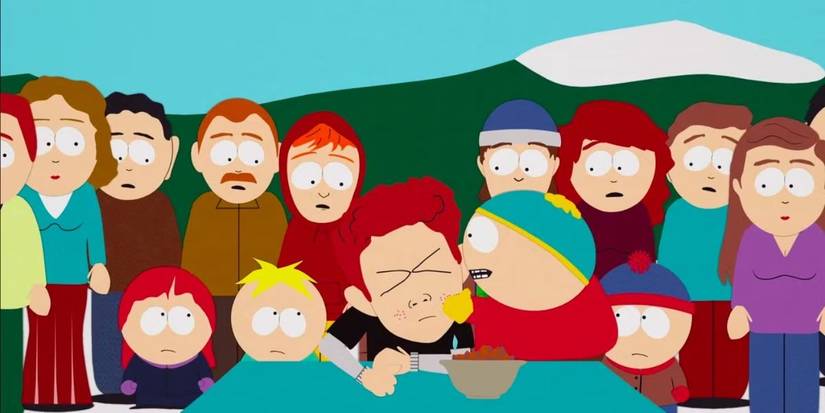 Image via Comedy Central
South Park truly evolved into a more ruthless, satirical show with “Scott Tenorman Must Die,” which remains the most shocking and delightfully mean-spirited episode in its entire run. After the cruel bully Scott Tenorman begins mercilessly bullying Cartman, he decides to exact revenge in one of the most devastating ways possible.
“Scott Tenorman Must Die” has one of the most surprising endings of any South Park episode, and not just because of the way that Cartman’s plan is revealed. Although it’s an episode that initially makes the audience feel sympathetic for Cartman based on the way that Scott treats him, it ends up showing just how evil and malevolent he can be; even Kyle, Kenny, and Stan admit to being shocked by how far Cartman went, and realize that they are actually slightly afraid of one of their best friends.
South Park
Release Date
August 13, 1997
Network
Comedy Central