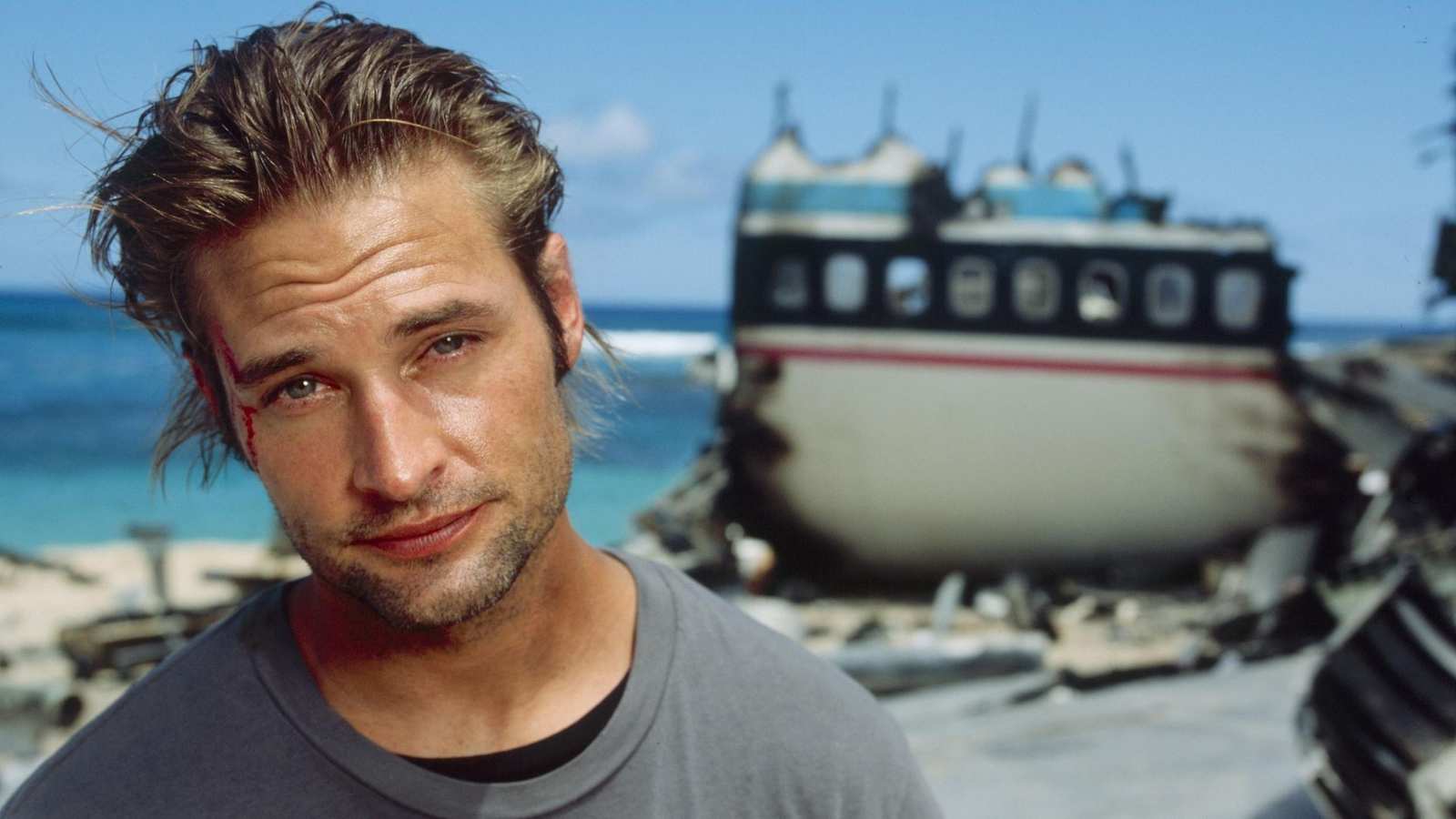
When Lost ended in 2010, it marked the close of an era in television. Fifteen years later, no series has managed to recapture the same level of obsession, speculation, and communal viewing that Lost inspired. From the moment Oceanic Flight 815 crashed on the mysterious island in the 2004 premiere, it was clear Lost wasn’t just another network drama, it was a weekly event.
During its six-year run, Lost was everywhere. Whether or not you were one of the millions glued to each new twist in Jack (Matthew Fox) and Kate’s (Evangeline Lilly) story, you knew about the hatch, the smoke monster, and those cursed numbers. Every episode drove endless watercooler conversations and, later, entire corners of the internet dedicated to decoding its mysteries.
It’s impossible to deny Lost’s impact on modern television. The show revolutionized serialized storytelling, inspired countless imitators, and cemented itself as one of the defining series of the 2000s. Sadly, 15 years later, the TV landscape still feels like it’s missing a show that can unite audiences the way Lost once did.
Television Needs Another Groundbreaking Show Like Lost
Lost Blurred The Lines Between Television And Cinema In A Way No Series Has Since

Fifteen years after Lost’s divisive finale, the television landscape has exploded with high-quality storytelling. Prestige dramas, massive budgets, and cinematic visuals are now the norm. Yet, for all of the industry’s progress, nothing has managed to capture the collective imagination quite like Lost did in its prime.
When Lost debuted in 2004, it changed what audiences expected from network TV. Its ambition rivaled that of blockbuster films, from its pilot directed by J.J. Abrams to its multi-layered narrative spanning time travel, parallel universes, and deeply human stories. Each episode felt like an event, blending mystery, emotion, and spectacle in ways television rarely dared to attempt.
Even as the medium evolved through the streaming boom, Lost remained ahead of its time. Series like Westworld, Dark, and The Leftovers have explored similar themes, but none have managed to truly dominate the cultural conversation. Lost was that rare combination of universal accessibility and narrative complexity. It wasn’t just watched; it was dissected, theorized, and felt.
Today, there’s no single show pulling everyone together in the same way. The streaming era has fractured audiences across countless platforms, each with its own offerings. Great storytelling still exists, but the sense of shared discovery and the communal thrill of watching Lost live and immediately discussing it the next day has vanished.
Television needs another Lost: a show that’s daring enough to blur the line between art and entertainment, mystery and meaning, television and cinema. A show that can once again make everyone tune in at the same time for the same reason – to be part of something bigger.
Lost Changed How We Consumed TV Shows
Lost Turned Weekly Viewing Into A Shared Global Obsession

Before Lost, watching television was largely a passive experience. You tuned in, enjoyed an episode, and waited for the next one. Lost transformed that ritual into something far more interactive and immersive. Each week, the series delivered new mysteries that demanded immediate theorizing, discussion, and rewatching.
It wasn’t just a show, it was an experience. Fans combed through episodes frame by frame looking for clues. Online forums became digital campfires where audiences tried to decode every cryptic symbol, every line of dialogue, every flashback. Lost practically invented the modern fan theory culture that defines so many of today’s TV show fandoms.
More importantly, it redefined “event television.” When a jaw-dropping episode of Lost like season 3’s “Through the Looking Glass” aired, everyone watched together, live. You couldn’t risk missing it, as the spoilers alone would ruin the experience. That sense of urgency created a viewing culture that few shows have managed to replicate since.
Even streaming giants have tried to tap into that formula by releasing episodes weekly for shows like The Mandalorian and House of the Dragon. Lost did it first, though, and it did it best. Its cliffhangers weren’t just designed to keep you hooked; they were crafted to make the audience part of the story, piecing together meaning alongside the characters.
In many ways, Lost paved the way for modern serialized storytelling and the fandom-driven engagement that defines television today. Without it, we might not have Game of Thrones’ cultural dominance, or Stranger Things’ viral moments. Lost taught us that watching TV could be as thrilling as being part of a living, breathing mystery.
A Lot Of Shows Tried To Be The Next Lost
Many Shows Came Close To Lost’s Magic, But None Fully Replicated It

Evence since it ended, countless shows have tried to be the next Lost, and a few came tantalizingly close. Game of Thrones, The Walking Dead, Stranger Things, The Mandalorian, and Squid Game each captured pieces of what made Lost special. But none have been able to recreate the perfect storm of mystery, emotion, and collective obsession.
Game of Thrones certainly dominated pop culture, but its storytelling leaned on spectacle and political intrigue rather than existential mystery. The Walking Dead initially created weekly “must-watch” urgency, but its longevity eventually dulled its edge. Stranger Things had the nostalgia, the mystery, and the emotional core, yet it never reached the same level of cultural saturation.
What Lost did better than anything else was blend mystery and meaning. The island wasn’t just a puzzle box; it was a metaphor for redemption, connection, and fate. Every twist, from John Locke’s (Terry O’Quinn) awakening to Desmond’s (Henry Ian Cusick) tragic time jumps, was built on emotional stakes, not just shock value.
That’s what many imitators missed. They replicated the structure – flashbacks, cliffhangers, mystery boxes – but forgot the soul. Lost wasn’t just about finding answers; it was about finding purpose. The shows that came after proved there’s still an appetite for ambitious storytelling. However, to be the next Lost, a series needs to take risks that go beyond formula. A true successor needs to make us feel like every episode matters again.
TV Is Thriving, But There’s Something Missing
Despite Great Television, No Show Unites Audiences Like Lost Once Did

The TV landscape is arguably better than ever. Streaming has given rise to bold, experimental storytelling, from Severance to The Last of Us. Yet, despite this creative boom, there’s still no unifying phenomenon. Nothing brings everyone to the same screen at the same time the way Lost once did.
Game of Thrones came close. For eight seasons, it became the rare show that transcended its genre, inspiring thinkpieces, reactions, and theories that echoed Lost’s heyday. However, even at its peak, Game of Thrones was a different kind of obsession. It was darker and grander than Lost, but less intimate. When it ended, the conversation ended with it.
Now, the landscape is fragmented. The idea of “must-see TV” has been replaced by “content.” Instead of one or two shows dominating cultural dialogue, we have hundreds, each catering to niche audiences. The communal aspect of watching television has been lost in the algorithm.
That’s why there’s such a clear need for the next show like Lost. Not just a show filled with twists and mysteries, but one that pulls audiences together. There needs to be something that sparks debate, theory-crafting, and genuine excitement week after week. In short, there’s an urgent vacancy for a series that makes TV feel like an event again.
Fifteen years later, television has evolved, but it hasn’t transcended. We’re overdue for the next big leap, a show that reminds us what it feels like to be utterly captivated, collectively curious, and emotionally invested. Simply put: we need another Lost.

- Release Date
-
2004 – 2010-00-00
- Showrunner
-
Damon Lindelof, Carlton Cuse
- Directors
-
Jack Bender, Paul A. Edwards, Tucker Gates, Eric Laneuville, Bobby Roth, Greg Yaitanes, Daniel Attias, J.J. Abrams, Karen Gaviola, Kevin Hooks, Rod Holcomb, Stephen Semel, Adam Davidson, Alan Taylor, David Grossman, Deran Sarafian, Fred Toye, Mario Van Peebles, Marita Grabiak, Mark Goldman, Matt Earl Beesley, Michael Zinberg, Paris Barclay, Robert Mandel
- Writers
-
Jim Galasso, Christina M. Kim, Graham Roland, Kyle Pennington, Brent Fletcher, Dawn Lambertsen Kelly, Janet Tamaro, Jeffrey Lieber, Paul Dini, Jordan Rosenberg
-

Matthew Fox
Jack Shephard
-

Evangeline Lilly
Kate Austen