Kojima Productions’ Death Stranding 2: On the Beach is very much its predecessor’s sequel, being a direct continuation of the story and adapting its gameplay systems wholesale, but it does make an effort to improve on the novelty and excellence of Death Stranding. The bizarre, post-cataclysmic delivery game deconstructs some of the medium’s most fundamental elements, making locomotion far more complicated than moving an analog stick, and centering its long-term conflict escalation around inventory management. Visionary writer and director Hideo Kojima’s idiosyncrasies are here in force, resulting in a game so genuine and earnest that it’s hard not to fall for its romanticism.
Death Stranding 2 rejoins protagonist Sam Porter Bridges not long after the events of the first game, when his secluded life raising former Bridge Baby Lou in Mexico is interrupted, and he’s once again thrust into being the fractured world’s preeminent porter. Working with Drawbridge, a civilian-run successor to the United Cities of America’s Bridges, Sam extends the Chiral Network through Mexico and beyond, traveling through a phenomenon known as a Plate Gate to Australia, where the vast majority of Death Stranding 2 takes place.
DS2 Has More Deliveries, Less Baggage
Death Stranding 2’s Gameplay & Combat
Death Stranding 2 is innovative by virtue of the series still being an anomaly; there is simply no comparable experience. Like the first game, most missions, called Orders, require you to take cargo from point A to point B. Every single item in the game has a size and a weight, and can only take so much abuse before it’s destroyed. You’ll be graded, and duly rewarded, based on how much cargo you deliver, how quickly you can deliver it, or what condition it’s in when delivered – or some combination of the three.
The terrain itself most commonly complicates the delivery process. Trip over a rock while running, wade into a river that’s too deep, or attempt an especially steep slope, and you’ll have to retrieve your cargo from wherever it ends up, usually much worse for wear. The other major obstacles are Beached Things, or BTs, armed hostiles, either human or mechanical, and Death Stranding 2‘s new Chiral Creatures, which are emblematic of the sequel’s innovations.
Chiral Creatures are various mysterious entities often found in swarms that will attack Sam en masse if you happen to bump into one. It’s a gameplay system that doesn’t offer anything entirely new – they’re another environmental puzzle – but does serve to add significant variety over Death Stranding 2‘s long runtime. Combat is in a similar boat, where some science fictional hand-waving has resulted in all weapons becoming non-lethal, avoiding any possibility of you triggering a disastrous Voidout (a massive explosion resulting from a corpse that’s not properly disposed of).
Death Stranding 2 also boasts new forms of BTs, providing more variety to the series’ tense stealth sections that turn frantic if your presence becomes known.
This does help address a chief critique of the first Death Stranding, where stealth was heavily incentivized. Death Stranding 2 has much more action, and the wider variety of combat encounters is a net positive for the game, even if it does, at first, feel like some of the vision behind the world-building has been compromised. Stealth still has its advantages, but you no longer feel actively punished for wanting to engage with a significant portion of Death Stranding‘s gameplay.
There And Back Again With Sam
The Second Ever Strand-Type Game
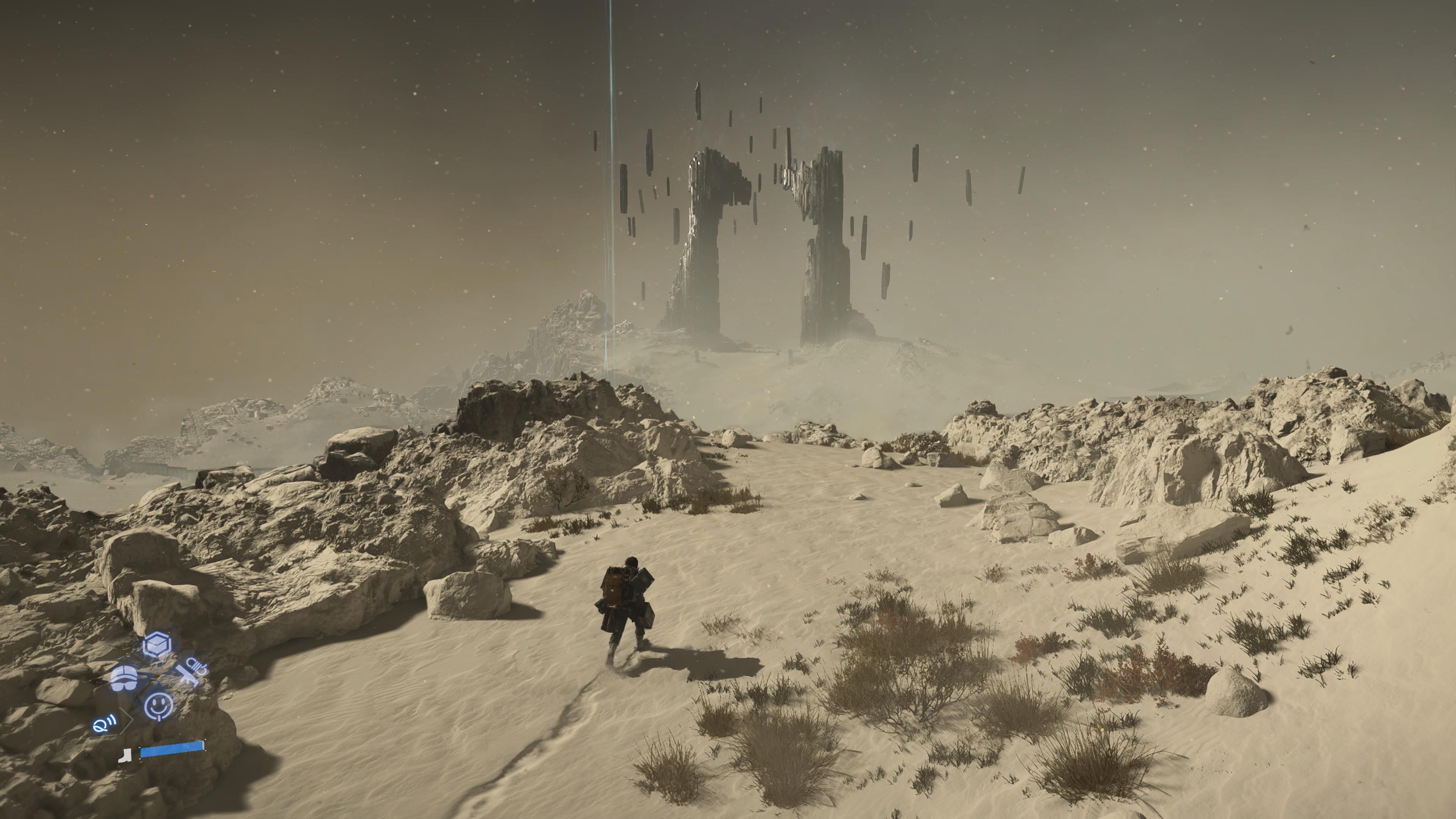
Frequently lost among the accusations of being a walking simulator is what Kojima means by Death Stranding and Death Stranding 2 being strand-type games, a purpose-defined genre term that’s often lampooned. Surrounding the minute-to-minute gameplay of delivering and protecting cargo is an asymmetrical cooperative experience to build infrastructure. Death Stranding 2 is best played online, where items you leave and build in your world appear in other players’ games, and vice versa.
As you expand the Chiral Network to new regions of Australia and contribute materials towards building means of travel – from the humble road to the hilariously effective Cargo Catapult – other players contribute alongside you diegetically as separate porters. Linking a new region is the difficult part, as structures cannot be built outside the Chiral Network, and Death Stranding 2 quickly establishes an ebb and flow yet again familiar to the first game.
You set out to connect a new city, distribution center, or prepper to the network, which results in more Orders and new space to build infrastructure in. Even subsequent Main Orders will often bring you back to regions you’ve already connected, with plenty of incentive to use the new items you’ve unlocked to make this and subsequent deliveries easier. You’ll begin to recognize the usernames of other players you’ve been connected with, and as you mash the touchpad to award them Likes, they’ll do the same in kind, and your tentative strand will turn into a stronger bond, with each other’s items and structures appearing more frequently.
Related
In a new interview with ScreenRant, Death Stranding 2: On the Beach composer Ludvig Forssell teases the game will have more of everything fans love.
It helps that Death Strading 2 is a gorgeous game, and the poignant musical cues that accompanied the first game’s most breathtaking moments have been used in spades throughout the sequel. While certain Main Orders feel urgent, Death Stranding 2 at large harps on the journey, wanting you to take your time, enjoy the scenery, and think about how best to help your fellow porters. Every delivery is a logistical puzzle punctuated by unexpected moments, both challenging and serene.
On the bank of a river, near a wood often plagued with Timefall – rain that rapidly ages everything it comes into contact with, a phenomenon born from the Death Stranding – I built a shelter to rest and repair my cargo containers. Many in-game hours later, on a separate delivery, I came from another direction: out of the nearby mountains, and through the same woods, intent on building a Zipline that would connect to one built by someone else on the opposite riverbank. When I arrived at my old Timefall Shelter, a kangaroo was there, serendipitously taking cover from the rain alongside me.
Death Stranding 2‘s compacted Australia is filled with unscripted ecological events that make it more unpredictable than its predecessor. Rivers flood with little warning; Gate Quakes cause avalanches while you’re trudging through the snow; flaming BTs emerge from the sky to cause brush fires. It’s moments like this, when a dust storm rolls in and obscures everything more than a few feet in front of Sam, that you’re thankful you and your fellow porters took the time to lug materials out to an Autopaver to build a road.
The Rope And The Stick Of the Story
Death Stranding 2’s Narrative
Death Stranding‘s silly names like Die-Hardman live on in Death Stranding 2‘s Dollman, Tarman, and more. Still, its story is more acutely focused on its characters, rather than the broad overtures and allusions the first game plied, even if On the Beach does build on its predecessor’s themes. Drawbridge is an eclectic band of people who suffer from DOOMS, a condition defined by their close connection to the world of the dead, which grants them a range of superhuman abilities.
The fate of the world and the human race rest upon the shoulders of this select group, but the heavily esoteric stakes of the primary conflict are balanced well by the scattered masses eking out an existence after the Death Stranding. On the Beach continues its predecessor’s incredibly thorough science fiction – every single character and item in the game contributes to world-building, even if in a small way. Bringing people onto the Chiral Network and hearing their exuberance when you bring their requested items grounds the game in a way that really cuts to its ideas about the human experience being reliant on interpersonal contact.
Death Stranding 2 has an unapologetic humanity despite some borderline incomprehensibility. Fourth wall breaks and characters making direct reference to Kojima Productions are par for the course when it comes to a game written by Hideo Kojima, but Death Stranding 2 has many moments that are simultaneously bizarre, beautiful, goofy, and touching. It can feel like the game regularly approaches self-parody, but it’s done with so much earnestness that you have to question if it’s actually genius.
Anyone who has played the first Death Stranding will not be surprised by On the Beach‘s narrative structure at large. Major story beats are hit in a familiar fashion, with sequences lifted and twisted enough to feel fresh, but still act as interesting refrains when the duology is considered as a whole. While I adore the original Death Stranding for its bold and unique presentation of its sci-fi setting, I find Death Stranding 2 to have a stronger and more heartfelt narrative.
Death Stranding 2 Is A Triumph For The Medium
Novel Gameplay Given Unmatched Cinematic Quality
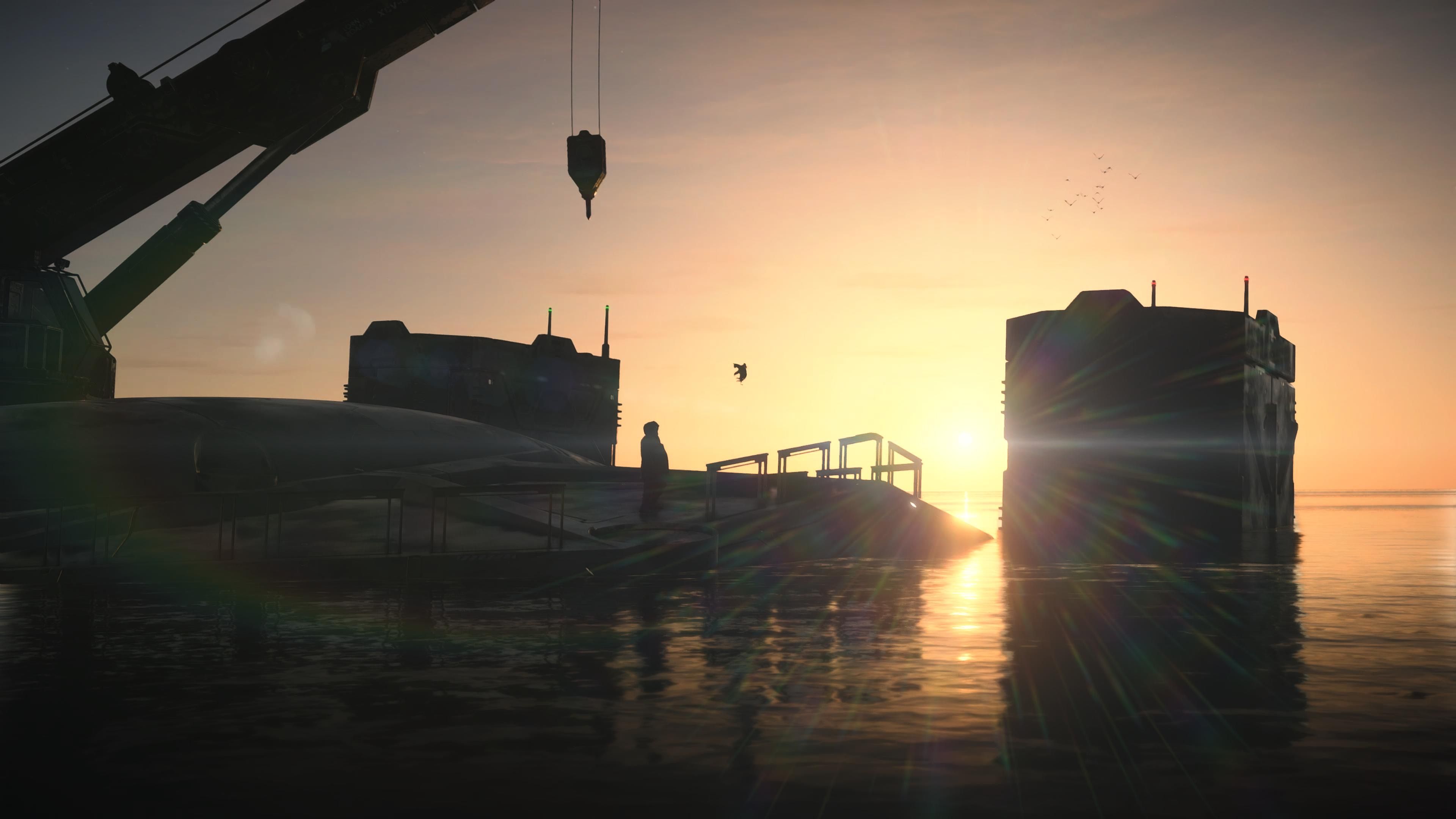
Despite my deep admiration for Death Stranding, I have always understood why it’s so divisive. It’s largely a gameplay exploration of things traditionally relegated to simple inputs or menus, like walking and inventory management, extrapolated into a broad logistical puzzle. I find it endlessly fascinating, but I can easily see why others may not necessarily derive satisfaction from engaging with its gameplay systems.
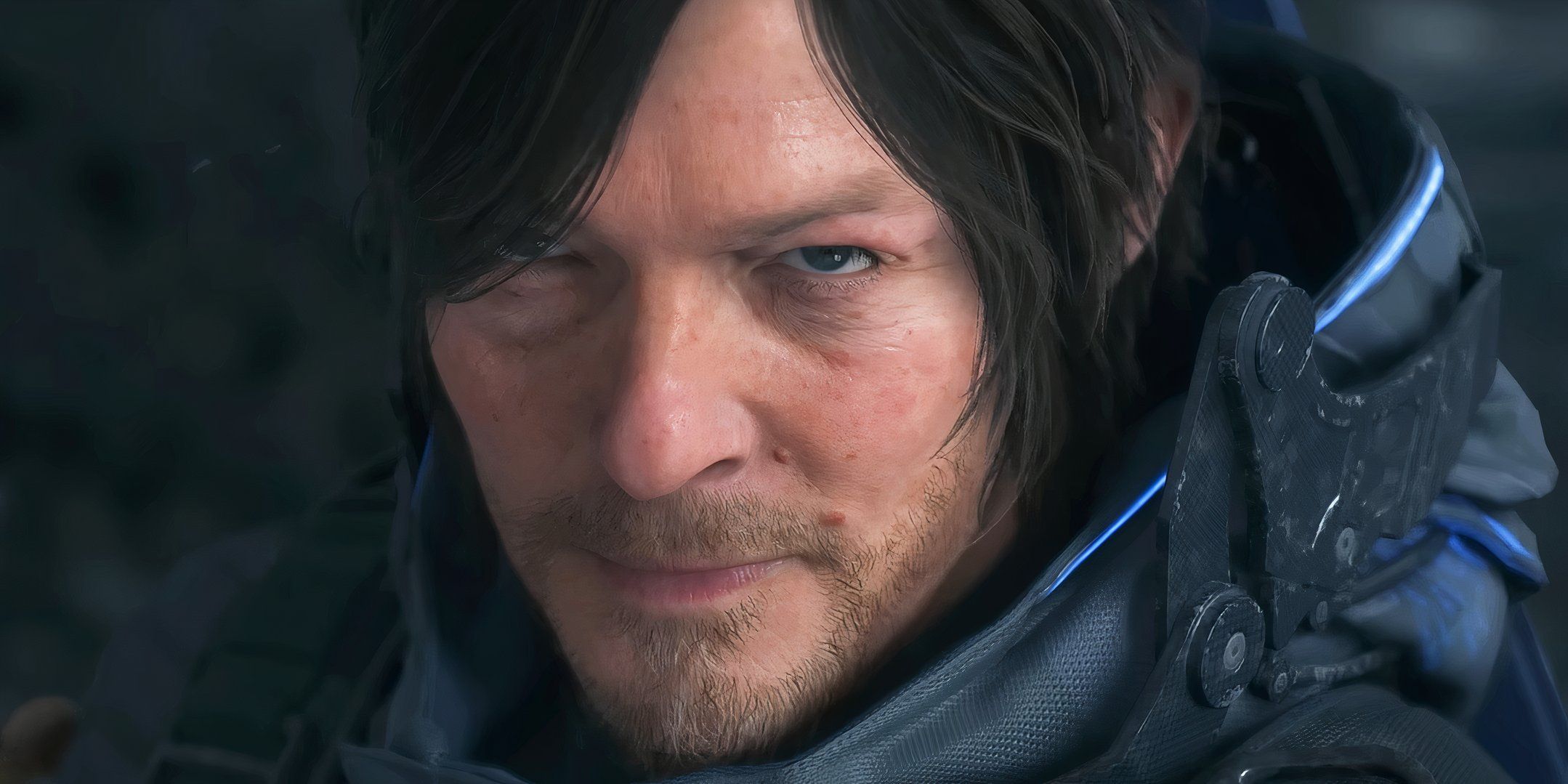
What Death Stranding 2 puts beyond doubt, however, is that Kojima Productions is at the forefront of the gaming industry when it comes to presenting its games as the artistic pinnacle of the medium from a traditionally cinematic standpoint. Suppose the likenesses of Guillermo del Toro, Nicolas Winding Refn, George Miller, Léa Seydoux, Elle Fanning, and, of course, Norman Reedus weren’t enough of an indicator. In that case, Hideo Kojima has a deep love of film, and an equally deep understanding of the cinematic language.
Hideo Kojima has repeatedly referred to Mad Max director George Miller as his personal god, so it’s touching to see the Australian filmmaker lend his likeness to a very prominent character, Tarman.
It’s not just Death Stranding 2‘s breathtaking cutscenes; even the smaller, more regular camera movements clearly have a lot of cinematographic thought put into them. The vocal performances are uniformly fantastic, with special mention given to Seydoux as Fragile, and Troy Baker, who returns as Higgs. Buoyed by the performances and the filmic quality, Death Stranding 2 is a treat to play – it even generally cuts down on its predecessor’s cutscene length (there are still a few long ones).
Even after putting 50 hours into the game – which involved a hefty number of side missions, but not even close to all of them – and seeing the credits roll, I’m eager to continue playing. The wide range of tools at your disposal makes delivering cargo in Death Stranding 2 satisfying in a way that no other game is. Death Stranding 2: On the Beach is emotional and fascinating from the outset, and it’s a journey I will continue to cherish as an improvement on what was already one of my favorite video games.
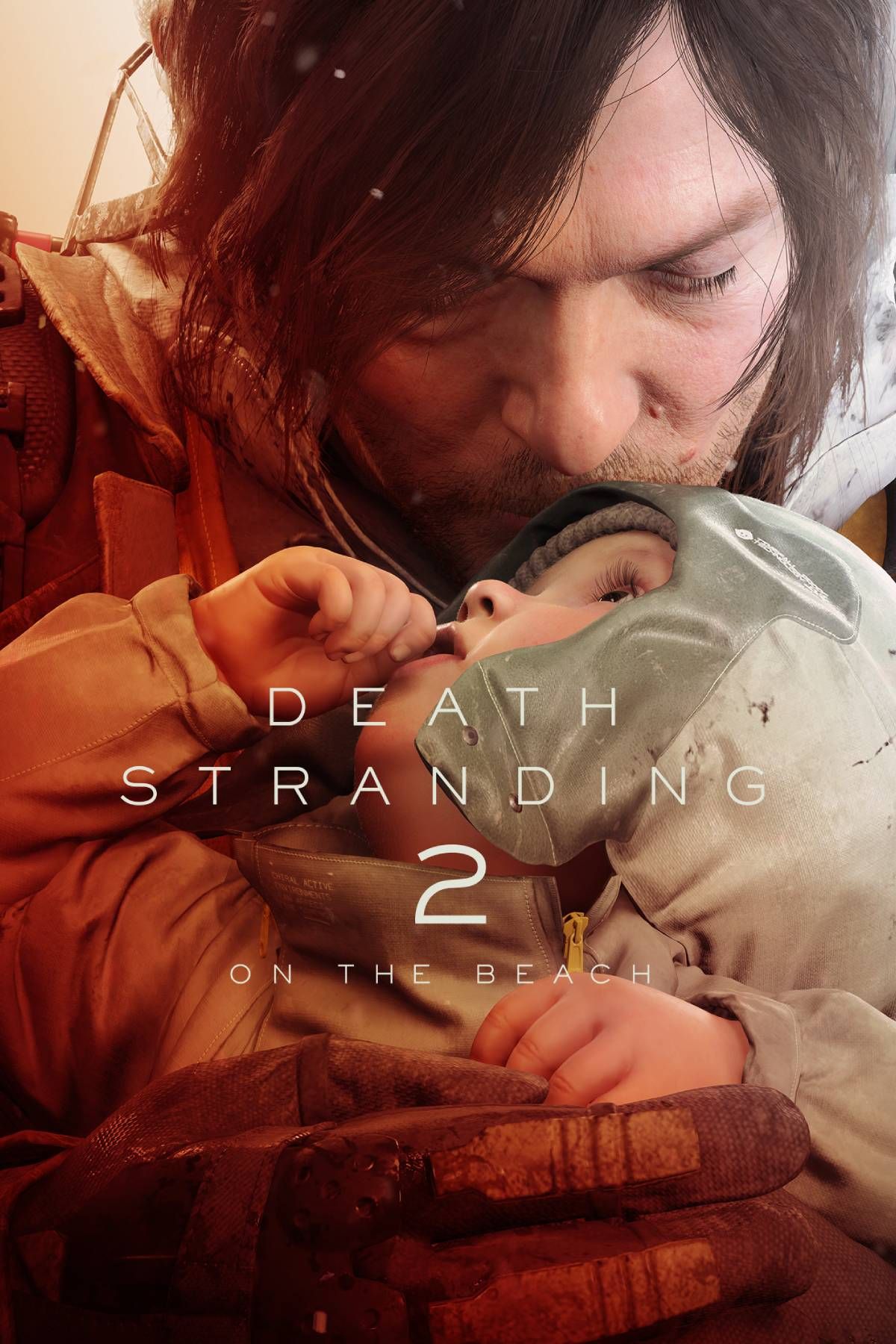
Death Stranding 2: On the Beach
Reviewed on PlayStation 5

10/10
Released
June 26, 2025
ESRB
Mature 17+ // Violence, Blood and Gore, Partial Nudity, Strong Language
Developer(s)
Kojima Productions
Publisher(s)
Sony Interactive Entertainment
Engine
Decima
Pros & Cons
- Satisfying and varied gameplay, with combat improvements over the first game
- Novel asymmetrical multiplayer systems that build the game world as you progress
- Astounding cinematic quality and excellent performances
- Heartfelt and emotional narrative that provides deeper characterization than its predecessor
- Minor world-building concessions were made for the sake of improved gameplay
Screen Rant was provided with a digital PS5 code for the purpose of this review.