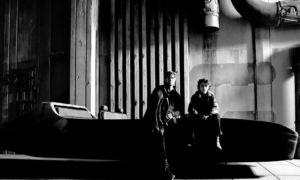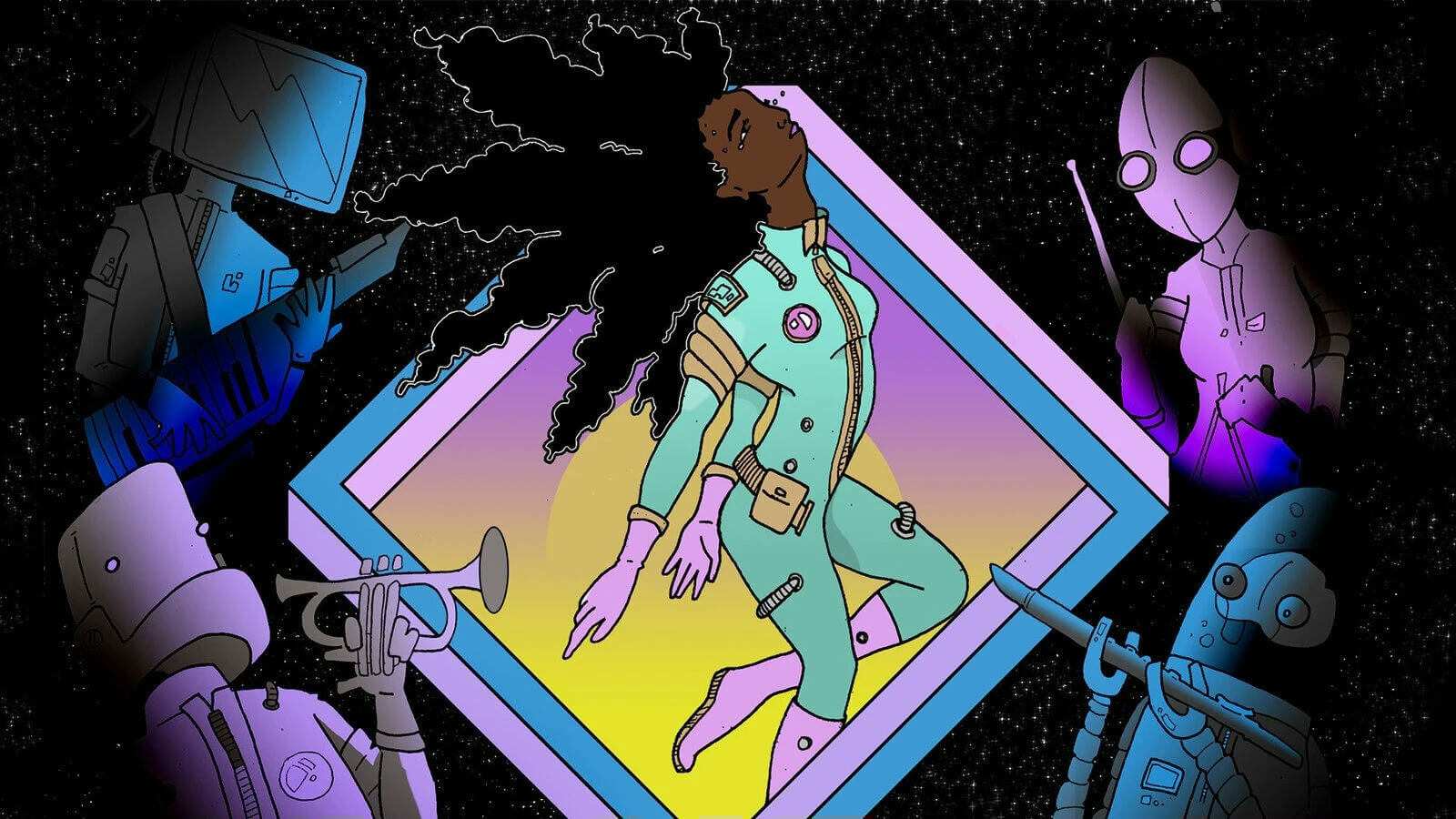
With over 1 million monthly listeners on Spotify, the psychedelic rock project The Velvet Sundown is generating thousands of dollars and raising difficult questions for the music industry.
Recently, it was confirmed that much of the “band’s” music is AI-generated, a revelation that has both fascinated and unsettled the community.
The band’s Spotify biography explicitly notes: “A synthetic music project guided by human creative direction, composed, voiced, and visualized with AI assistance.”

While AI-generated music is becoming more sophisticated, industry experts describe it as sometimes “soulless,” “claustrophobic,” and “creepy,” according to conversations with CNBC.
The Challenge of Distinguishing Human from Machine
AI tools have long been integrated into music software like Logic, but newer platforms like Suno and Udio allow creators to produce entire songs with just a few commands.
This has led to a surge of virtual artists. Aventhis, for example, another AI-created musician, boasts over 600,000 monthly Spotify listeners, demonstrating the growing prevalence of AI performers.

According to French streaming service Deezer, which implemented an AI-detection tool for uploaded music, around 18% of songs on their platform in April were fully AI-generated.
As AI systems become increasingly sophisticated, distinguishing between human and machine output is growing harder. Jason Palamara, assistant professor of music technology at Herron School of Art and Design, told CNBC: “The Velvet Sundown’s music is far better than anything AI-generated in the past. It now produces meaningful song structures, with verses, choruses, and bridges.”
Palamara warns that The Velvet Sundown may only be “the tip of the iceberg”, as AI platforms like Suno and Udio, with low barriers to entry, allow anyone to generate hundreds of songs for a minimal monthly subscription.

Legal Battles and the Future of Music
The rise of AI music has sparked debates over copyright and intellectual property, with major labels like Sony, Universal Music Group, and Warner Records filing lawsuits against Suno and Udio for alleged copyright infringement. Thousands of artists have called for banning the use of human-created content to train AI without consent.
Keith Mullin, head of music management at Liverpool Institute for Performing Arts, stresses: “AI-generated music is here to stay. We can’t turn back the clock.”
Historically, the music industry has adapted to disruptive technologies — from Napster in 1999 to the rise of streaming platforms in the 2000s. But for emerging artists, competition with AI bands presents a new kind of challenge.

Tilly Louise, a 25-year-old UK alternative pop artist, expressed frustration: “Seeing a band that doesn’t even exist online getting all the attention is really discouraging. Despite millions of streams, I can’t make a living from Spotify alone.”
Embracing AI While Preserving Human Creativity
Music educators are increasingly integrating AI into curricula, teaching students to leverage AI for creative enhancement, rather than complete replacement. Some high-profile producers, including Grammy winner Timbaland, are experimenting with AI-driven projects, such as Stage Zero, which features an AI-created pop star.
Palamara reflects: “Producers are beginning to explore this space, creating an entirely new industry model we can’t yet fully predict.”
As AI reshapes the music landscape, one thing is certain: artists, educators, and listeners alike must confront the evolving intersection of creativity, technology, and commerce.
Sources: Znews
Related Articles