Superhero shows have evolved far beyond simple tales of good versus evil into something that left many viewers perplexed. In recent years, several Marvel and DC series have pushed the genre into cerebral, mind-bending territory, blending complex storytelling, nonlinear timelines, and philosophical depth. These aren’t the kind of shows audiences can casually watch while scrolling on their phone,
From time-travel paradoxes to multiversal chaos, these series challenge viewers to think like detectives, philosophers, or even theoretical physicists. They twist traditional comic book logic into dense, symbolic narratives where every detail matters. They prove that capes and powers can coexist with complexity, and that sometimes, the real superpower is understanding what’s actually going on.
Doom Patrol (2019–2023)

DC’s Doom Patrol is as bizarre as superhero storytelling gets, constantly twisting its narrative through flashbacks, time loops, and self-aware absurdity. Each episode dives into surreal existentialism, with characters battling not just villains but their own inner traumas. It’s a show that often feels like a therapy session filtered through a comic book fever dream.
The series expects viewers to grasp layers of meta-commentary – its characters literally question their existence as fictional beings. Mister Nobody’s narration blurs the line between audience and character, often mocking the show’s own structure. This level of narrative self-reflection demands viewers capable of reading between the lines.
Understanding Doom Patrol means interpreting its strange humor, fragmented timelines, and emotional symbolism. Beneath the chaos lies a deep meditation on trauma, self-acceptance, and identity. It’s a superhero show for those who crave meaning beneath madness, rewarding viewers who can keep up with its philosophical and narrative gymnastics.
Gotham (2014–2019)

FOX’s Gotham might not be as conceptually abstract as Legion or Loki, but it is sprawling and packed with overlapping stories, political intrigue, and moral corruption. Spanning five seasons, it chronicles the rise of both heroes and villains long before Batman emerges. With dozens of major characters and shifting alliances, it’s a dense web of motivations to track.
Every season reimagines iconic figures (Penguin, Riddler, Catwoman, and others) while weaving them into police drama, mob wars, and psychological power plays. The sheer number of intersecting plot lines makes it difficult to keep up without careful attention. Understanding Gotham properly means appreciating how these arcs build toward the city’s inevitable descent into chaos.
The show constantly evolves, turning side characters into central figures and rewriting relationships along the way. Its brilliance lies not in mystery or symbolism, but in the sheer volume of interconnected stories. Only sharp-minded viewers can organize this dizzying scale in their heads.
Crisis On Infinite Earths (2019)

The “Crisis On Infinite Earths” crossover event in the Arrowverse is both thrilling and dizzying. It comprised a five-part saga spanning multiple TV series, timelines, and realities. To follow it properly, audiences needed prior knowledge of Arrow, The Flash, Supergirl, Batwoman, and Legends of Tomorrow. Without that, it’s easy to get lost in the chaos.
The event’s complexity lies in its scale. Dozens of characters from different Earths collide, with cameos from alternate continuities like Smallville and Lucifer. Even veteran viewers need to pause and process the multitude of characters and cameos. Each episode tied back to years of storylines, callbacks, and emotional payoffs.
Understanding “Crisis On Infinite Earths” fully requires encyclopedic knowledge of DC television and comics. It’s not just a crossover; it’s the culmination of years of interconnected storytelling that rewards those who’ve followed every plot thread across multiple series. Missing even one show means missing vital context.
The Flash (2014–2023)

The Flash started as a lighthearted superhero procedural but quickly evolved into one of TV’s most complex time-travel stories. Barry Allen’s constant tampering with timelines created ripple effects across multiple seasons, making cause and effect nearly impossible to track. What seems like a simple decision in one episode often reshapes the entire Arrowverse.
Understanding The Flash requires serious attention to detail. It features alternate timelines, time remnants, and paradoxes all intertwining in unpredictable ways. The “Flashpoint” storyline alone rewrote reality and forced viewers to reassess everything they thought they knew, though it was much more effective than the disappointing live-action superhero movie.
Adding to the challenge, emotional arcs and scientific jargon are layered together throughout The Flash, often reflecting how grief, guilt, and heroism affect Barry’s decisions. Every season tests viewers’ ability to remember complex histories and relationships. It’s not just about running fast; it’s about keeping up with an ever-changing timeline.
Legends Of Tomorrow (2016–2022)

CW’s Legends of Tomorrow began as a straightforward time-travel adventure but transformed into one of the most unpredictable superhero series ever. The show embraces chaos, mixing absurd humor with intricate temporal paradoxes. Every mission through time introduces new versions of characters and altered realities, challenging viewers to track who’s who and what’s real.
Unlike traditional superhero shows, Legends of Tomorrow thrives on constant reinvention. The team frequently rewrites history, breaks continuity, and acknowledges its own narrative instability. Even the show’s tone shifts from dramatic to comedic without warning, reflecting its meta-awareness of TV storytelling itself.
Keeping up with Legends of Tomorrow requires both memory and flexibility. Characters die, return, or are rewritten through time travel logic that’s intentionally inconsistent yet thematically rich. Beneath its campy surface lies a show that celebrates chaos while rewarding those sharp enough to follow its evolving mythology and narrative experimentation.
Loki (2021–2023)

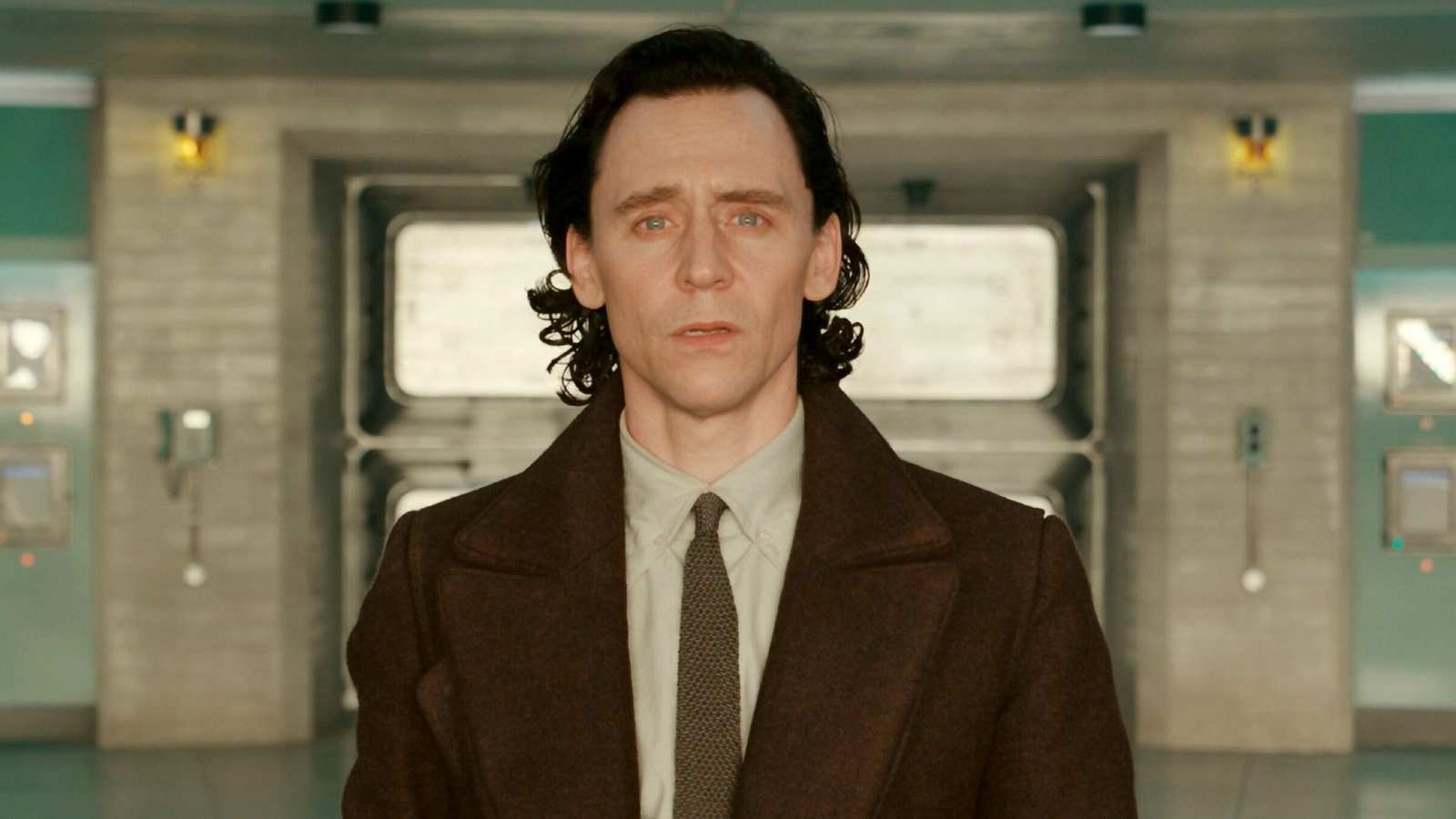
Marvel’s Loki combines metaphysical philosophy with intricate time-travel mechanics, creating one of the MCU timeline’s most intellectually demanding shows. The Time Variance Authority introduces new rules of existence (timelines, branches, and multiversal variants) that constantly redefine the universe’s logic. Missing a single explanation can make entire episodes feel disorienting.
Loki challenges viewers to contemplate fate versus free will, chaos versus order, and identity across infinite realities. Every conversation between Loki, Mobius, and Sylvie doubles as a philosophical debate about meaning and selfhood. Even the show’s visual design reflects its temporal instability.
By the time Loki reaches its second season, it operates as both a cosmic puzzle and a character study. Understanding its timeline loops and paradoxes requires close analysis and rewatching. It’s a superhero show for those who love science fiction, philosophy, and emotional complexity all tangled together in elegant, paradoxical storytelling.
The Umbrella Academy (2019–2024)

Netflix’s The Umbrella Academy delivers superhero storytelling through a kaleidoscope of time travel, dysfunctional family drama, and apocalypse cycles. Every season resets or alters the timeline, meaning the viewer must constantly reevaluate character relationships and histories. It’s deceptively chaotic, hiding a carefully structured narrative beneath its eccentric surface.
Each sibling’s emotional baggage intertwines with the show’s sci-fi elements, making even the smallest moment significant. A throwaway line in The Umbrella Academy season one might explain a paradox in season three. The shifting timelines, coupled with nonlinear flashbacks, make it hard to keep track without serious mental gymnastics.
Beyond the temporal mechanics, The Umbrella Academy explores trauma, destiny, and the impossibility of fixing the past. Understanding it properly means decoding emotional as well as chronological continuity. The show rewards those who pay close attention, offering subtle clues and emotional payoffs that make its tangled narrative beautifully cohesive for attentive minds.
Legion (2017–2019)

The unexpected superhero masterpiece, FX’s Legion, is easily one of the most complex superhero shows ever created. It blends psychological horror, surrealist art, and mutant drama into a mind-bending narrative. Based loosely on Marvel’s David Haller, the son of Professor X, Legion challenges its audience by constantly questioning what’s real and what’s a delusion inside David’s fractured mind.
Every episode of Legion is a riddle that viewers must piece together. The nonlinear structure and dreamlike cinematography deliberately obscure the truth, with characters often shifting roles or personalities depending on David’s mental state. Even when the story seems straightforward, it’s filled with metaphors about identity, perception, and control.
To fully understand Legion, viewers need to follow the visual clues, subtle dialogue shifts, and recurring symbolic motifs. It’s more than a superhero story; it’s a deliberate psychological puzzle wrapped in psychedelic visuals. Only those who pay obsessive attention to its details can truly decode its layered brilliance.