When discussing great horror movie performances, names like Anthony Hopkins and Toni Collette tend to dominate the conversation. Yet the genre is full of unsung actors who delivered unforgettable performances that never got their due. These are the performances that helped define horror, adding emotional realism, tragedy, and nuance to stories that could have easily been all screams and gore.
From pioneers of the black-and-white era to overlooked gems of modern horror, these actors didn’t just play victims or monsters – they became them. Their work shaped how audiences perceive fear and empathy in cinema. Whether through understated emotion, theatrical madness, or sheer conviction, they elevated their films into something timeless.
Ralph Ineson In The Witch (2015)

Ralph Ineson brought a raw, almost biblical gravitas to The Witch, playing a Puritan father unraveling under isolation and religious paranoia. His deep, gravelly voice and weary eyes conveyed the crushing weight of faith turned to fear. As William, he embodies a man desperate to do right by God but slowly losing his family and sanity to unseen forces.
Ineson grounds the film’s supernatural elements in stark human emotion. Every sermon and argument feels painfully real. Of course, Anya Taylor-Joy rightfully became the film’s breakout star, helping to spawn the modern female-led folk horror subgenre.
However, it’s Ineson’s performance that is the moral and emotional backbone. Ineson’s quiet despair gives The Witch its haunting soul. It turned a historical horror story into an intimate portrait of belief destroyed by doubt.
Matthew Lillard In 13 Ghosts (2001)

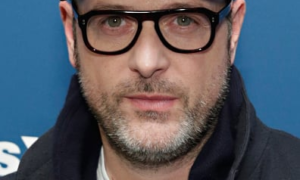
Matthew Lillard is a true horror icon, appearing in numerous movies. Most famously, Lillard gave a dynamic and energetic performance as one of the original Ghostfaces in Scream. However, Matthew Lillard gave one of the most unexpectedly heartfelt performances in the chaotic ghost spectacle 13 Ghosts.
Playing psychic medium Dennis Rafkin, he balanced over-the-top energy with genuine pathos, standing out amid the film’s CGI mayhem. Lillard’s performance could have easily been cartoonish, but he injects real vulnerability into his character. Beneath the sarcasm and panic is a man consumed by guilt and trauma, making his eventual sacrifice one of the movie’s few emotionally resonant moments.
While 13 Ghosts has become a cult favorite for its production design and bizarre ghost lore, Lillard’s turn is its hidden strength. His manic sincerity and emotional depth make him the film’s unlikely heart. It’s proof that even in campy horror, great acting can elevate the absurd.
Brad Dourif In The Exorcist III (1990)

Brad Dourif’s chilling performance as the Gemini Killer in The Exorcist III is a masterclass in controlled insanity. His monologues (alternating between calm confession and explosive rage) are terrifying not because of special effects, but because of his sheer intensity. Dourif plays evil as something intelligent, articulate, and deeply human.
Every twitch, every shift in tone feels deliberate, as if he’s savoring the words themselves. His chemistry with George C. Scott turns dialogue scenes into psychological battles more gripping than any exorcism. Dourif ultimately became better known for voicing Chucky in the Child’s Play franchise, but his role in Exorcist III helped establish him as a highly compelling villain actor.
While The Exorcist III remains underrated, Dourif’s performance should be legendary. It’s theatrical without being overblown, disturbing without cliché. It’s the kind of acting that burns into memory long after the credits roll.
Veronica Cartwright In Alien (1979)

In a cast filled with strong performances, Veronica Cartwright’s turn as Lambert remains one of Alien’s most overlooked triumphs. Her portrayal of pure, unfiltered terror gave the film its most human perspective. Unlike Ripley’s resilience or Ash’s cold logic, Lambert reacts the way any real person might: paralyzed, panicked, and overwhelmed by fear.
As such, Lambert became much more of an audience conduit than Ripley. It was Cartwright’s genuine emotional breakdowns that heightened the film’s tension, grounding the sci-fi nightmare in uncomfortable realism. Her final moments, filled with helpless horror, linger in the mind far after the horrifying ending precisely because they feel so authentic.
Alien is remembered for its monstrous creature, claustrophobic atmosphere, and feminist icon. However, it was Cartwright who gave it a soul. Her performance still resonates with anyone who’s ever felt powerless in the face of the unknown.
Claude Rains In The Invisible Man (1933)

Claude Rains’ debut movie performance in The Invisible Man is one of cinema’s great paradoxes. It became a career-defining role, even though he’s barely seen on screen throughout. With only his voice and physicality, Rains crafted a villain of terrifying charisma and tragic madness.
Rains’ Jack Griffin isn’t a monster from birth. He’s a man slowly consumed by the isolation and arrogance his invisibility brings. Rains’ distinctive, clipped delivery mixes menace with wit, making the character simultaneously frightening and magnetic. He’s likable, despite engaging in truly despicable behavior. This is thanks to Rains’ genuinely charming performance.
While Universal’s other monsters leaned on heavy makeup, Rains relied purely on performance. His portrayal remains a benchmark for horror acting: theatrical yet nuanced, sympathetic yet monstrous. Few actors have ever conveyed so much without being seen.
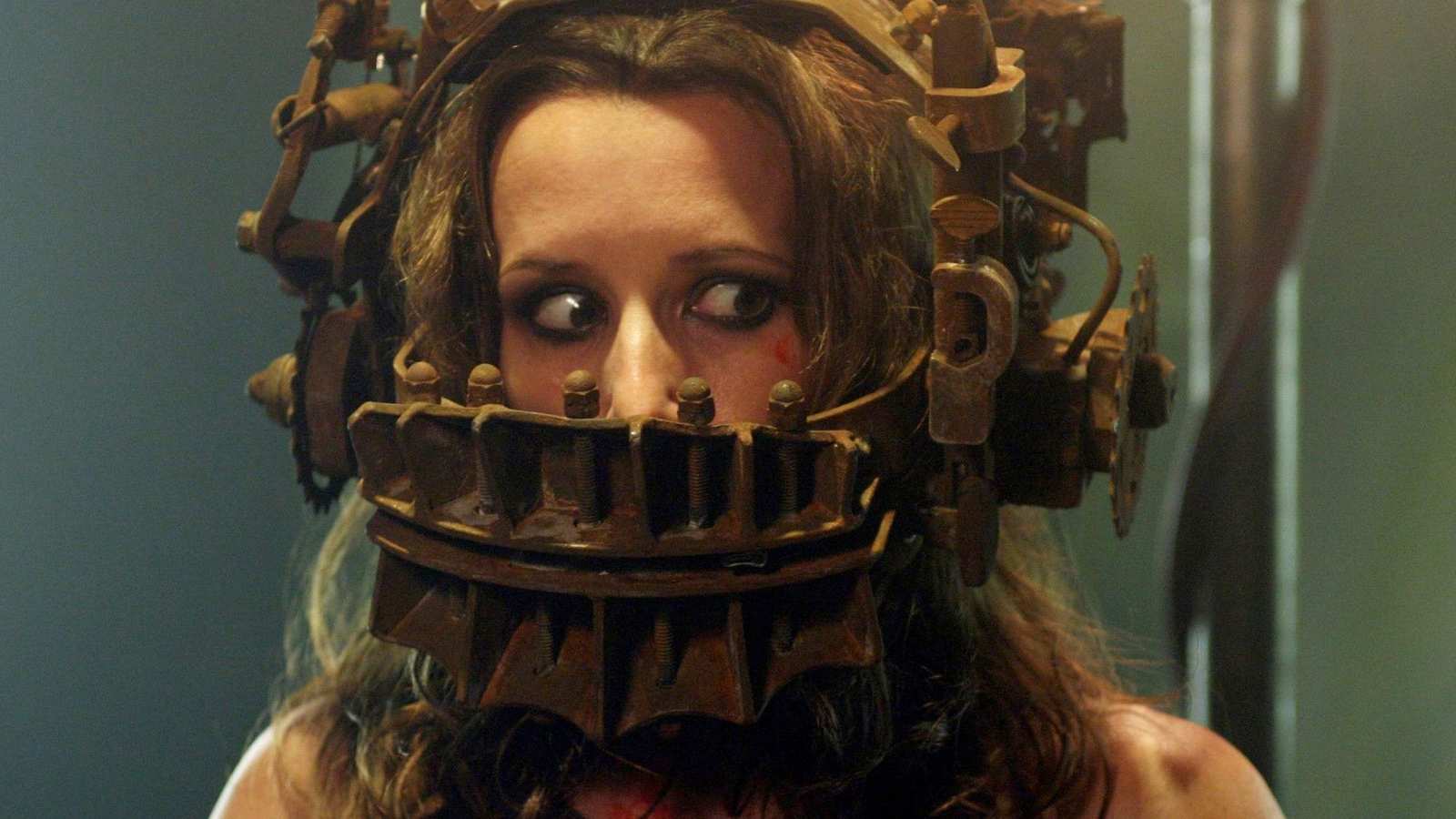
Shawnee Smith In The Saw Franchise

As Amanda Young, Shawnee Smith transformed Saw’s grisly traps into emotional horror. Her arc from victim to disciple is the series’ most tragic thread, and Smith delivers it with devastating sincerity. Her haunted expressions and trembling voice give Amanda depth beyond the franchise’s violence.
Amanda’s not just a killer; she’s a broken person searching for purpose, manipulated by someone who twisted her need for redemption into cruelty. Smith’s chemistry with Tobin Bell adds a tragic intimacy to Jigsaw’s philosophy. While critics often focus on Saw’s gore, Smith’s performance grounds it in humanity.
Smith’s performance helped foster an intimacy with the villains rarely seen in horror movies, particularly as the franchise progressed. By Saw III, it was hard not to sympathize with her when she’s seemingly rejected by Jigsaw. Smith made Amanda one of the few horror villains that audiences could pity as much as fear.
Ashley Laurence In Hellraiser (1987)

Ashley Laurence brought rare emotional intelligence to Hellraiser’s nightmarish world. As Kirsty Cotton, she’s neither the typical screaming victim nor the unflappable final girl. She’s a resilient survivor with real emotional stakes.
Laurence’s reactions sell the film’s grotesque imagery; her fear and disgust make Hellraiser’s twisted logic believable. Yet it’s her compassion, even in the face of monstrous cruelty, that sets her apart. She fights not for revenge, but for understanding and survival.
In a movie dominated by iconic villains like Pinhead, Laurence’s performance is easy to overlook. Yet without her grounded humanity, Hellraiser would collapse under its surreal excess. She gave heart to a story that might otherwise have been pure nightmare fuel.
Sissy Spacek In Carrie (1976)

Sissy Spacek’s performance in Carrie remains one of horror’s most haunting portraits of loneliness and rage. Her delicate vulnerability makes the film’s violent finale not triumphant, but tragic. Spacek captures every shade of Carrie’s pain: the humiliation, the quiet hope, the slow-burning fury.
Spacek’s wide-eyed innocence in early scenes only heightens the heartbreak of her transformation. This turns her telekinetic outburst into an act of emotional implosion. She’s so compelling that it’s easy to forget where the story is going to end up.
Though her work was Oscar-nominated, Spacek’s nuanced performance is often overshadowed by the prom bloodbath and subsequent horror movie performances and Stephen King adaptations. Yet it’s her commitment to Carrie’s humanity that makes the horror unforgettable. Spacek offered a devastating reflection of cruelty and repression that still resonates today.
Reece Shearsmith In A Field In England (2013)

Reece Shearsmith’s performance in Ben Wheatley’s A Field in England is a slow descent into madness, paranoia, and existential terror. As Whitehead, an alchemist’s assistant trapped in the chaos of civil war, he balances dark comedy with psychological horror. Shearsmith’s twitchy vulnerability gives the film its hypnotic energy.
His performance unravels in real time, oscillating between confusion, fear, and deranged clarity. It’s both theatrical and frighteningly real – a rare feat in experimental cinema. The undoubted highlight in the performance comes when Whitehead emerges from O’Neil’s tent. Bolstered by the haunting score and stark black-and-white imagery, Shearsmith transforms, offering one of the most unsettling performances in horror history.
While A Field in England divided audiences, Shearsmith’s acting anchors its surreal imagery in genuine emotion. His journey from scholar to mad prophet feels like an unholy ritual in itself. It’s one that demands rediscovery from horror audiences who missed it the first time.
Lon Chaney In The Unknown (1927)

Throughout the silent movie era, Lon Chaney was the absolute master of horror movie acting. Known as the “Man of a Thousand Faces,” Lon Chaney famously crafted his own special effects make-up and starred in the most famous horror movies of the era, including The Phantom of the Opera. Yet it’s Chaney’s performance in The Unknown that deserves greater attention.
Playing an armless circus performer secretly capable of violence, Chaney conveys an astonishing range of emotion without dialogue or sound. Every gesture, expression, and movement is imbued with physical control and psychological torment. His obsession with Joan Crawford’s character turns love into horror, his body becoming both a weapon and a prison.
Chaney’s physical transformation (achieved through real contortion and sheer dedication) remains one of the most remarkable performances ever filmed. Before sound, makeup, or special effects could assist him, he became his monsters. The Unknown stands as proof that horror acting, at its best, transcends words entirely.