This article contains references to extreme violence, body-shaming, and suicide.
As the world’s most popular TV streaming service, Netflix is bound to run into the occasional controversy with its 300 million subscribers. A platform of this magnitude can’t put out content that pleases everyone all the time, and there will inevitably be certain shows that some viewers find offensive. However, these 10 Netflix originals took things to the next level.
From the tasteless and insensitive to the discriminatory and downright dangerous, the streaming giant has veered the wrong side of what’s generally considered socially acceptable on various occasions over the past decade. In some cases, they’ve even been accused of blasphemy, and sued for releasing allegedly libellous content.
Not all the most controversial shows on Netflix are among its worst when viewed in purely artistic terms, although a fair few of them definitely are. But there are myriad ways to spark controversy, ranging from the nature of the show itself, to the means by which it was created, and the negative impact it has on society.
Arguably, Netflix now causes more controversy with what it cancels than the shows it commissions. Nevertheless, over the past five years in particular, we’ve seen a steady rise in the number of streaming series on the platform which have made a splash for all the wrong reasons.
Harry & Meghan
2022

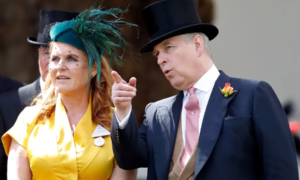
The most mundane entry on this list in terms of the content of the show itself, Harry & Meghan received a sizable backlash upon its release because of just how self-serving and tone-deaf the whole project appeared to be. At the same time, it delivered no new bombshells and very little of interest for the press corp and royal-watchers waiting on tenterhooks.
Without ever specifying what jobs Harry or Meghan planned to do after milking their sob story for all it was worth, the documentary series depicted them living in varying degrees of opulence, while regaling us with tales of a $277,000 baby shower thrown by Serena Williams, and a pilot’s gratitude to them for their services to Britain. Poor Meghan.
Tiger King
2020–2021

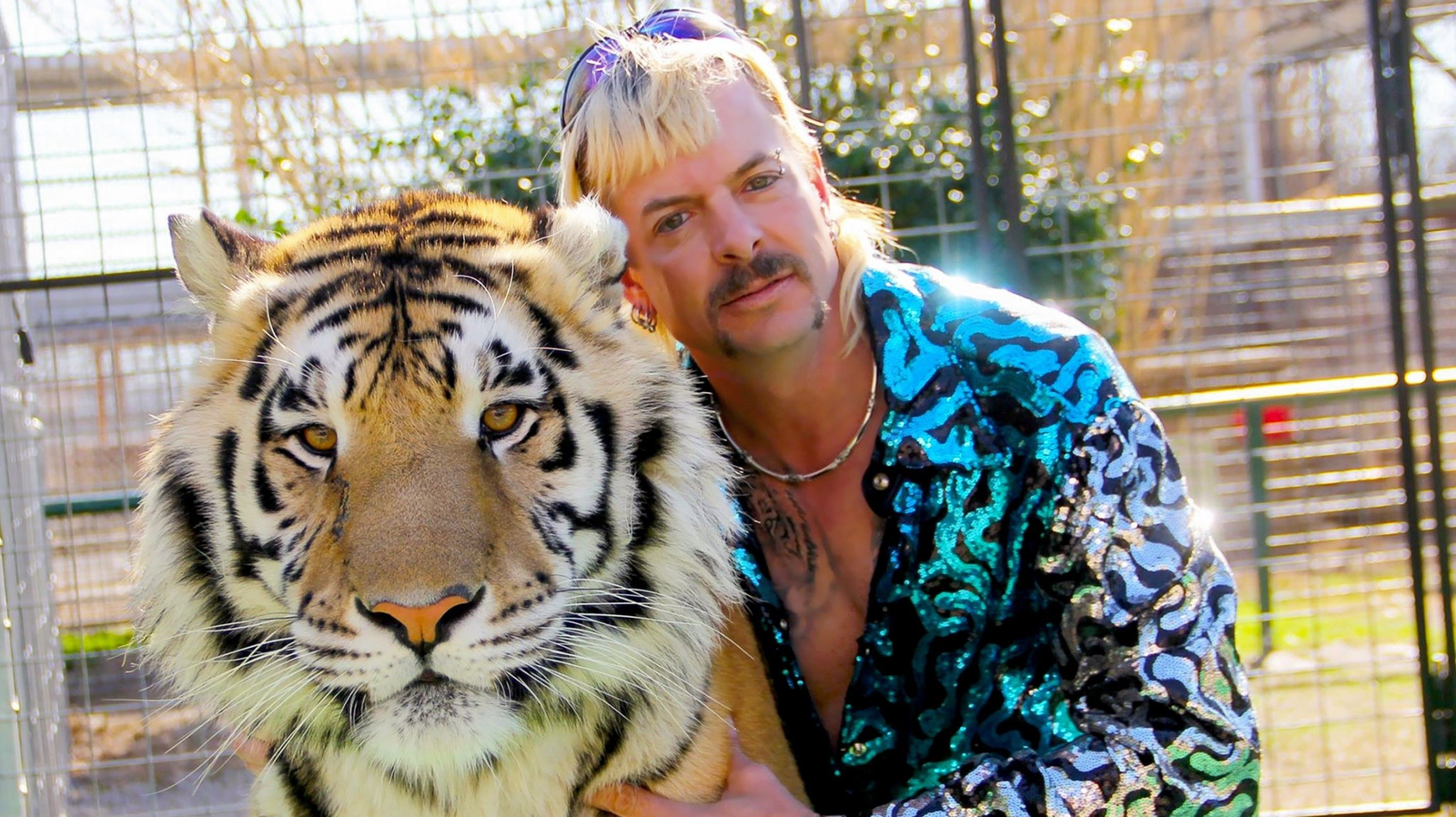
This utterly bizarre true-crime documentary show had to be seen to be believed – and Netflix audiences did see it, in their millions. Given its subject matter, the series was guaranteed to court controversy, and that seemed to be the whole point.
From its apparent disregard for the animals it depicted, to the lawsuit filed by participant Carole Baskin after Tiger King season 2, this was a shock doc that lived up to the tag. Most sensationally, in one episode Joe Exotic alleged that Baskin had fed her own ex-husband to tigers. No wonder it was too much for some to stomach.
Dahmer – Monster: The Jeffrey Dahmer Story
2022

The first installment of Netflix’s Monster true-crime anthology immediately submerged the series in hot water, as the family of Jeffrey Dahmer’s victim Tony Hughes, among others, reacted angrily when it was released. Families felt that they weren’t properly consulted before the show was made, and there was a sense that it was profiting from the murder of their loved ones.
It didn’t help that Monster: The Jeffrey Dahmer Story didn’t go down especially well with critics, either. Most of them found the show’s agonizing attention to the details of Dahmer’s crimes fundamentally exploitative, if well-produced. Unfortunately, this reception set the tone for subsequent seasons of Monster, which have fared even worse.
Messiah
2020

Years before a supposed trend of mass Netflix cancelations following controversial service changes gathered steam in 2024, this religion-themed thriller undermined the platform’s subscriber base across an entire region of the world. The physical depiction of a man claiming to be Jesus – or ʿĪsā, in Arabic – appeared to transgress the Islamic belief that prophets should never be rendered in images.
The series was condemned in various quarters of the Middle East and the Muslim world, and the Royal Film Commission of Jordan even tried to stop Netflix from streaming it in their country. They needn’t have bothered, as barely anyone was watching anyway. Messiah received poor reviews, and was canceled after a single season.
Dear White People
2017–2021

A blistering riposte to black oppression, Dear White People is also one of the best LGBTQ+ TV shows on Netflix, and arguably the most impressive series on this list. What’s more, it’s a satirical comedy that hits most of the right notes almost all the time.
So, its ironic presentation of certain social dynamics in American universities was meant to be taken on these terms. That didn’t stop elements of the online space from taking serious offense, accusing the show of racism against white people, and campaigning for the series to be canceled from Netflix. Yet, three seasons later, it was still going strong.
Squid Game: The Challenge
2023–Present

Midway through its first season, some viewers of Squid Game: The Challenge began questioning whether the show was a real competition, or just a phony attempt to cash in on the streaming phenomenon of the decade so far. In theory, this reality show was supposed to be a real-life, more humane version of the game in the Netflix drama series.
Yet, contestants were complaining that this reality version was Squid Game wasn’t all it seemed. Some claimed that the games were rigged in favor of certain competitors, while others threatened legal action over injuries and hypothermia allegedly caused by the show (via The Guardian). It may have been a little closer to the original version than we thought.
Baby Reindeer
2024

Fiona Harvey famously sued Netflix for defamation because of Baby Reindeer. When you watch the behavior of the character she apparently inspired, it’s easy to see why she might have found the show defamatory. Nevertheless, the award-winning miniseries is based on the real-life experiences its creator, Richard Gadd, allegedly had with Harvey.
The controversy in this case has nothing to do with the content of the show itself, which is sensitive, nuanced, and thought-provoking. It’s just that a real person’s wellbeing becomes part of the equation, once Netflix viewers are able to match their actual identity with the character onscreen. Thanks to Baby Reindeer, Fiona Harvey is a public pariah.
The Goop Lab
2018–2019

Widely debunked as “pseudoscience” by experts such as those interviewed by The Detroit News, The Goop Lab is the model example for legacy media to hold up as evidence of Netflix’s lack of checks and balances. The documentary series has faced such a comprehensive backlash that it’s hard to imagine there are many Goop adherents left.
There are, however, and Gwyneth Paltrow’s net worth has only been boosted by this guide to “natural” wellness, which, some would argue, is why it was produced in the first place. It’s worth reading around the science of its suggestions before taking them onboard, though.
Insatiable
2018–2019

A report commissioned in 2022 traces a historic drop in Netflix stock to the controversy around Insatiable. This darkly comic teen drama was supposed to take on fat-shaming and promote body positivity, yet its clumsy, misdirected approach often ended up coming across like precisely the opposite.
If the mishandling of its central theme wasn’t bad enough, then the series aimed even further from the mark with crudely offensive jokes about race and sexuality. When it was somehow renewed for a second season, things only got worse. It’s a wonder that Netflix hasn’t taken it down, as a Change.org petition signed by hundreds of thousands demanded.
13 Reasons Why
2017–2020

It won’t ever cease to be surprising that 13 Reasons Why was renewed for a total of four seasons, despite a seemingly neverending barrage of criticism coming its way. The manner in which the series dealt with teenage mental health issues divided opinion like few other releases in the history of Netflix.
The suicide and school-shooting plot threads are perhaps the show’s most notorious. But there’s a sense that, all round, 13 Reasons Why waded a little too deep into topics it couldn’t traverse safely and sensitive enough for its audience’s needs. Netflix justifiably continued to see the value in the show, but it hasn’t become any less controversial with hindsight.