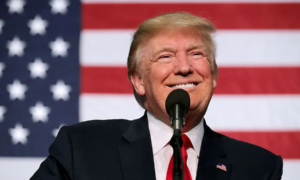
U.S. President Donald Trump’s recent announcement of a sweeping 25% tariff on all imports from South Korea, effective August 1, has sent shockwaves across the global K-pop and K-beauty industry.
While the measure is mainly aimed at steel and semiconductors, it extends to all Korean exports, including K-pop albums, merchandise, and cosmetics threatening a multi-billion-dollar cultural trade network.
K-pop Albums and Merch Facing Major Price Hikes
According to Quartz, the proposed tariff could significantly hurt the profitability and accessibility of K-pop goods in the U.S. a top global market for South Korea’s entertainment exports. In 2024, South Korea exported over $292 million worth of physical K-pop albums, with U.S. fans among the biggest buyers.

Fans are already feeling the pinch. A typical Weverse Shop order, which usually costs around $75, could now surge to $95 or more before adding international shipping fees of $30–$60. This spike has sparked panic buying across fan communities, with many bulk-ordering albums, lightsticks, apparel, and exclusive photobooks.
K-Beauty Demand Soars Amid Fears of Rising Costs
The tariff threat has also triggered a rush on K-beauty products, which are immensely popular among U.S. consumers. In 2024 alone, the U.S. imported $1.7 billion in Korean cosmetics, a staggering 54% increase from the previous year.
“I bought three months’ worth of facial masks from MediHeal and U-Need,” said Amrita Bhasin, a 24-year-old fan in New Jersey, in an interview with AP News. “If this tariff goes into effect, I won’t be able to afford them anymore.”
Experts Warn of Cultural and Economic Fallout
Mary Lovely, senior fellow at the Peterson Institute for International Economics, warns the impact will go beyond numbers. “Korean pop culture, including K-beauty, K-dramas, and K-pop, rides the same global wave. A 25% tariff won’t kill it, but it will make access harder and dampen consumer enthusiasm.”

This isn’t just about products it’s about participation. Quartz emphasized that K-pop fandoms operate as emotional economies: buying albums and merchandise is often a form of loyalty, identity, and community building. Government interference, even indirectly, “reshapes the dynamics of cultural commerce.”
Independent U.S.-based K-pop retailers like Choice Music LA and Hello82, which rely on fast Korean imports, are particularly vulnerable. Increased costs could mean delayed shipments, higher prices, and fewer exclusive pre-order benefits that fans have come to expect.
Trade Talks Lead to Partial Relief but Challenges Remain
On July 31, South Korean and U.S. officials reached a tentative deal to reduce the tariff from 25% to 15%, in exchange for increased Korean investment and energy purchases from the U.S. However, this revised rate still presents serious risks, especially for small and mid-sized retailers.

Despite digital advances, physical album sales remain crucial for branding, chart performance, and fan engagement. In an era where pop culture and geopolitics increasingly overlap, the tariff highlights the fragile intersection between international trade and emotional fan economies.
K14
Related Articles