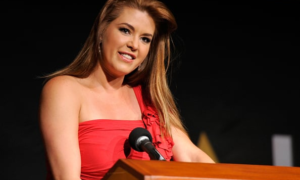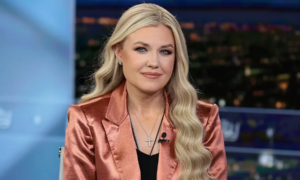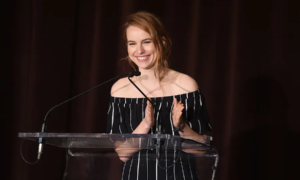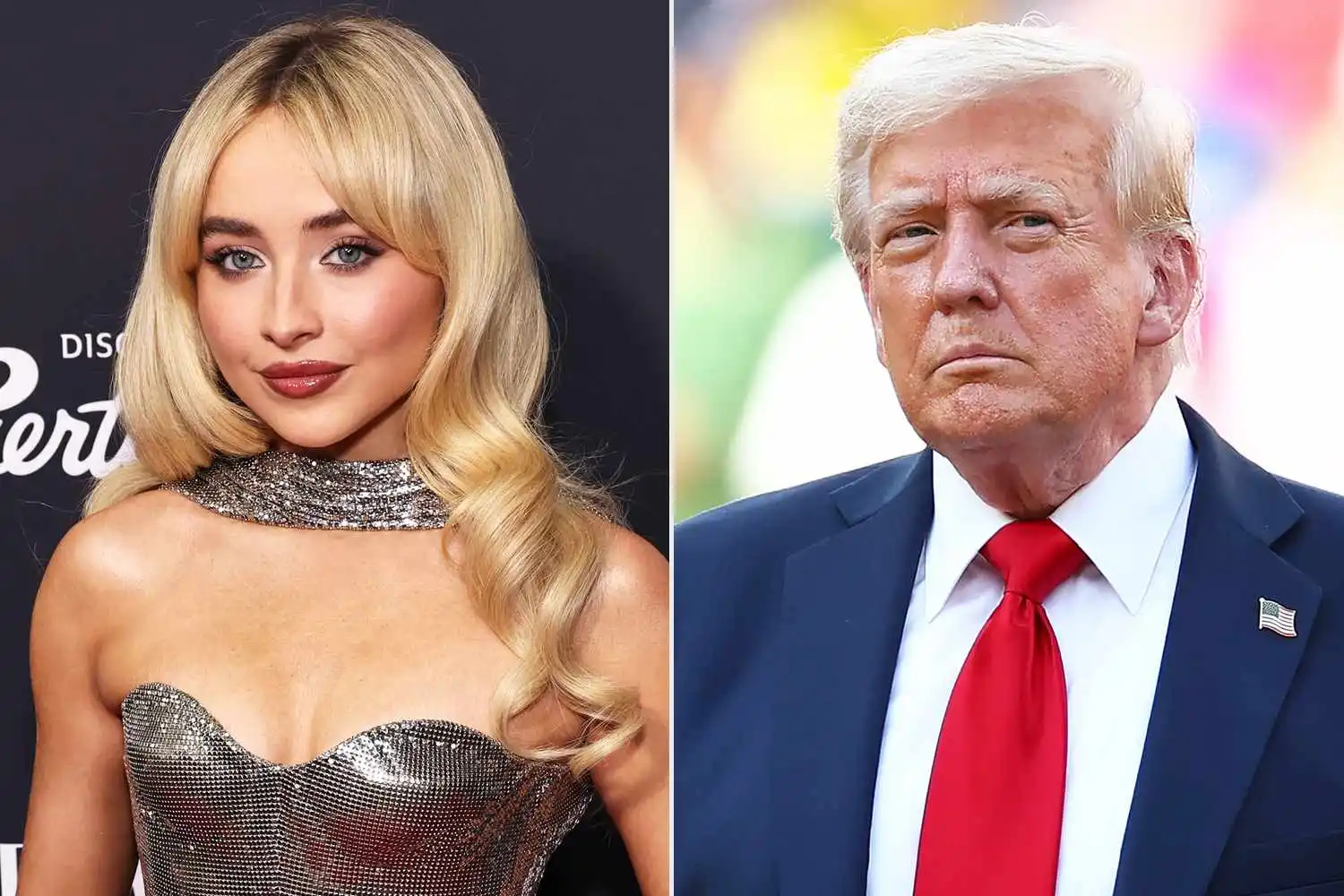
Pop star Sabrina Carpenter has publicly condemned the White House after discovering that one of her songs was used without permission in a controversial video shared by the administration. The video, posted on the White House’s official social-media account, included footage of immigration-enforcement raids by U.S. Immigration and Customs Enforcement (ICE) — and overlaid the entire montage with Carpenter’s 2024 track Juno.
Sabrina Carpenter’s Response: Strong Words
Carpenter responded swiftly and forcefully. On her social post, she wrote:
“This video is evil and disgusting. Do not ever involve me or my music to benefit your inhumane agenda.”
By saying this, she made clear that she did not authorize — and strongly rejects — the use of her music in a video promoting what she views as an inhumane and politically charged message.
What the Video Showed — And Why It Sparked Outrage
-
The montage featured ICE agents arresting, handcuffing, and detaining individuals, apparently undocumented immigrants.
-
Over these images played Juno, with vocal lines looping: “Have you ever tried this one?” — a lyric originally used in a playful, personal context by Carpenter. The White House caption on the post echoed the lyric with “Bye-bye “
-
The contrast — sexual or carefree song lyrics against graphic scenes of detainment — outraged many online and reignited debates over misuse of artists’ work for political messaging.
Sabrina Carpenter’s Broader Stance & The Industry Pattern
-
Carpenter is not the only artist to take a stand. Several other musicians — including earlier in 2025 — had similarly condemned unauthorized governmental use of their music in socio-political or law-enforcement-related videos.
-
By speaking up, Carpenter and others are challenging a pattern of using popular songs — often without consent — to add emotional or persuasive weight to controversial political messaging. This has broader implications for artist rights, consent, and how music can be used (or misused) in public discourse.
Backlash and White House’s Response
-
In reaction to Carpenter’s condemnation, a White House spokesperson defended the video. The statement reportedly used a lyric reference from her other song and reiterated that they would not apologize for what they termed “deporting dangerous criminals.”
-
The aggressive response has only intensified backlash — not just from fans, but from critics and rights-advocacy groups who argue that using a pop song to underscore images of forced detentions is deeply unethical.
Why This Matters: On Music, Consent, and Political Messaging
This incident underscores several critical issues:
-
Artist consent and control: Musicians create art that reflects personal emotions, experiences, or entertainment — and using that art for unrelated political or enforcement messaging without permission violates their rights and intent.
-
Misleading emotional framing: Pairing upbeat or emotionally charged music with harsh or violent visuals can create cognitive dissonance or manipulate audience perception, potentially softening the seriousness of events being shown (like deportations or arrests).
-
Public trust and accountability: When governments use pop culture icons to amplify messaging, it raises questions about respect for artists, transparency, and ethical boundaries in political communication.
For fans and observers, Carpenter’s response is a reminder of the power dynamics at play when creative work intersects with politics. Her refusal to stay silent brings attention to the importance of consent — not just in art, but in how art is used to shape public narratives.