When The Paper was announced, most fans of The Office rolled their eyes. A spinoff arriving over a decade after the original show’s finale felt like a cynical cash grab. However, against all odds, Greg Daniels has pulled it off again. With an 85% Rotten Tomatoes score, The Paper has proven itself a critical and creative triumph, praised for its cast, writing, and refreshing sense of purpose.
Despite this success, a large chunk of The Office fandom still hasn’t tuned in. To many, The Paper seemed like a desperate attempt to recapture past glory. The common sentiment across fan circles was simple: “Why should I watch The Paper when I could just rewatch The Office?” For some, that skepticism was enough to keep them away entirely.
As someone who’s loved The Office since day one, I get it. I was doubtful too. However, now that season 1 of the spinoff is wrapped, The Paper has completely won me over. It doesn’t just honor The Office, it evolves from it. For fans who insist the original show never needed a spinoff, The Paper makes a compelling argument that maybe, just maybe, it did.
The Paper Isn’t Trying To Be The New Office
The Spinoff Stands On Its Own While Still Carrying The Office’s Spirit

What makes The Paper so refreshing is that it isn’t trying to be The Office 2.0. Yes, both are workplace mockumentaries about struggling industries – a small-town paper in Toledo fighting for survival in the digital age, and a paper company in Scranton defying obsolescence in the era of email. However, The Paper smartly crafts its own voice, tone, and set of characters.
There’s no “New Michael” or “New Dwight.” The Toledo Truth Teller team doesn’t mimic Dunder Mifflin’s dynamics; it builds something entirely new. Ned (Domhnall Gleeson) may share Michael Scott’s chaotic optimism, but he’s less a caricature of a work manager with boundary issues and more a man trying not to be crushed by the realities of modern journalism.
Meanwhile, he and Mare (Chelsea Frei) bring a tenderness and awkwardness to their slow-burn romance that’s as endearing as Jim and Pam’s, without feeling recycled. It’s still a will they/won’t they, but the dynamic is totally different – the similarities only become apparent when viewers become aware of just how heartwarming their scenes are.
The Paper doesn’t need to copy The Office’s magic; it finds its own by showing what happens when integrity, ambition, and nostalgia collide in a dying industry. Even the setting works as an echo, not an imitation.
Just as Scranton defined The Office’s small-town intimacy, Toledo plays a vital role in shaping The Paper’s identity. It’s a blue-collar city where everyone knows everyone, making every Truth Teller headline feel personal. In The Paper, Greg Daniels uses the setting as a tool to capture that same bittersweet blend of pride and futility that made The Office feel real.
Where The Office laughed at the absurdity of survival in corporate America, The Paper finds humor in a more fragile, uncertain kind of hope – the ambitions of a print media newsroom in an age where readers learn of the world through a screen, not a newspaper. It’s not about reliving The Office’s glory, it’s about showing how those same values play out in a world that’s moved on.
The Callbacks To The Office Are Used Sparingly
Nostalgia Is A Garnish, Not The Main Course

Aaron Epstein/PEACOCK
Greg Daniels knows better than to drown The Paper in references. The nods to The Office are subtle, sparing, and all the more effective because of it. The pilot opens with a quick glimpse of the Dunder Mifflin Scranton office, which has now been taken over by a laser eye surgery clinic. It’s a clever bit of connective tissue that bridges the two worlds without overstaying its welcome.
Then comes the show’s first genuine wink: Bob Vance (Robert R. Shafer) pops in for a single-scene cameo, telling the documentary crew about the fate of Dunder Mifflin and that Phyllis was offered a transfer to Toledo, which she declined. “I mean, leave Scranton, for Toledo?” Bob jests – an incredibly self-aware moment since that’s exactly what The Paper is asking fans of The Office to do.
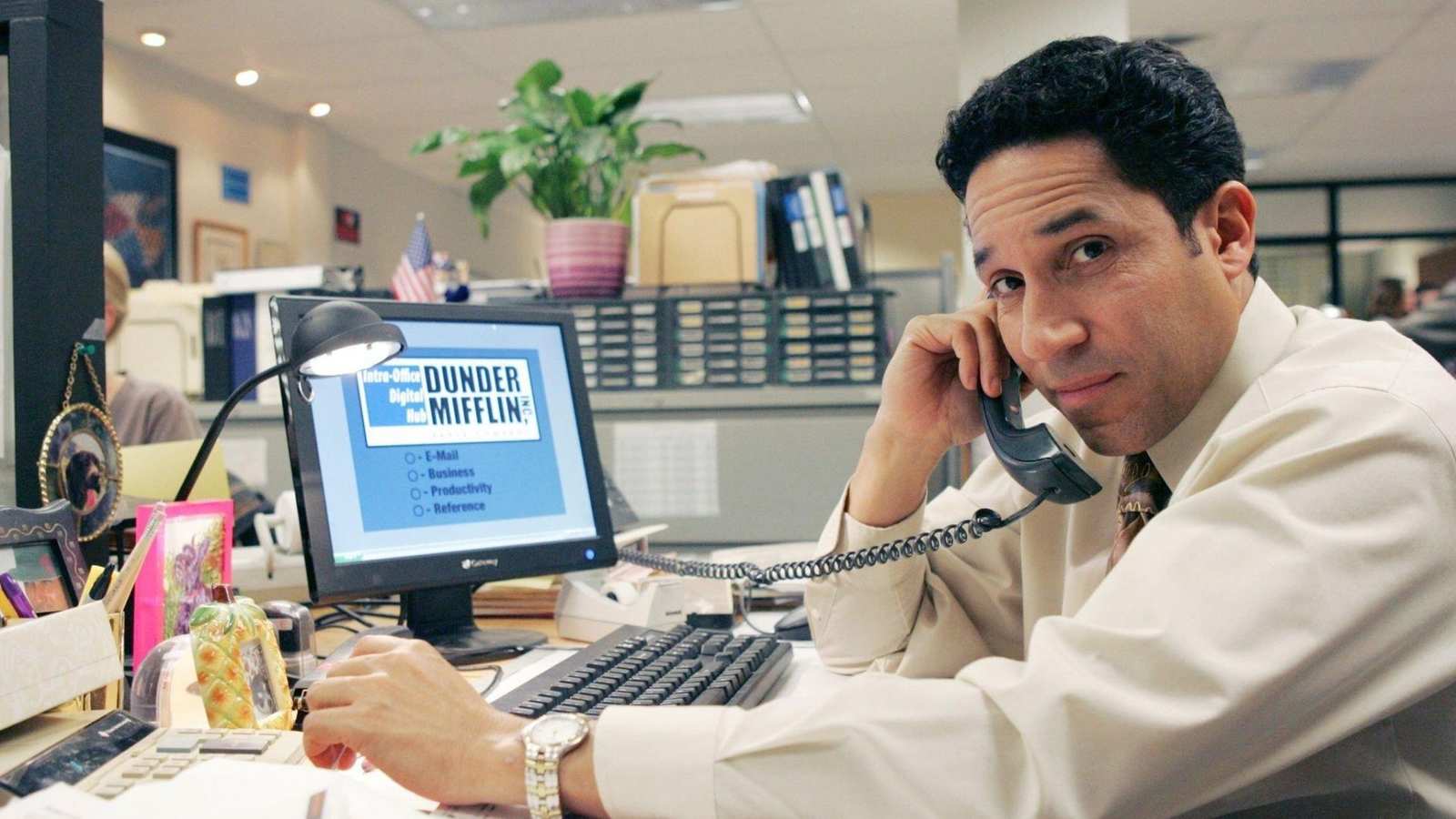
Beyond Bob Vance, Oscar (Oscar Nunez) is the only character to return from The Office, and he works incredibly well as a thematic bridge. His brief callback moments like telling Ned trying to make work fun is giving him “flashbacks to an old boss” are used as seasoning, not the main ingredient.
Instead of stuffing the show with callbacks, The Paper builds an emotional continuity. It doesn’t need to constantly remind us that The Office exists; it trusts the audience to know and appreciate that legacy. Every nod feels earned, a quick wink to longtime fans rather than a desperate plea for nostalgia points.
By showing restraint, The Paper strengthens its world. It proves that a spinoff can pay homage without depending on its predecessor. In doing so, it builds a universe that can genuinely stand alongside The Office, not beneath it.
The Office Spinoff Resonates With Other Mockumentaries Too
Characters Feel Straight Out Of Abbott Elementary And Parks And Rec As Much As The Office

While The Paper is set in The Office’s universe, it feels spiritually connected to the entire mockumentary genre. Fans of Abbott Elementary, Parks and Recreation, and even The Office UK will find familiar rhythms, energy, and humor threaded through its characters.
Ken’s (Tim Key) blend of delusion and vulnerability channels The Office UK’s David Brent far more than Michael Scott. He’s desperate to stay relevant and get ahead in his career no matter who he has to throw under the bus on the way, which makes his cringe moments sting harder.
Then there’s Esmeralda (Sabrina Impacciatore), who brings a sharp, self-absorbed energy that recalls Abbott Elementary’s Ava more than any character from The Office. Her chaotic narcissism and complete lack of restraint or barriers when it comes to chasing her idea of success (which usually involves vanity) feel right out of Janelle James’ best Abbott Elementary moments.
Meanwhile, Adam (Alex Adelman) is The Paper’s resident lovable idiot, embodying that same goofball charm that made Parks and Recreation’s Andy Dwyer so beloved. Speaking of Parks & Rec, Ned’s relentless positivity and refusal to let bad news kill his spirit makes him more Leslie Knope than Michael Scott.
These parallels aren’t copies; they’re continuations. The Paper draws from the DNA of every great mockumentary that came before it. Its humor, heart, and absurdity feel like the natural evolution of a genre that’s matured without losing its sincerity.
In that sense, The Paper isn’t just for The Office loyalists, it’s for anyone who’s ever fallen in love with the flawed optimism of documentary-style sitcoms. It’s a celebration of the form itself, showing that mockumentaries still have plenty of stories left to tell.
The Paper Doesn’t Take The Office Fandom For Granted
The Spinoff Earns The Audience’s Trust Instead Of Assuming It

From the first episode, The Paper makes one thing clear: it knows The Office fans are wary. Rather than ignoring that skepticism, it leans into it. Oscar, now the head accountant for the Toledo Truth Teller’s parent company, says it best in the pilot: “Not again. I’m not agreeing to any of this. Don’t you have enough after nine years? Nobody wants this.”
It’s a sharp, self-aware moment that captures exactly how the fandom felt when The Paper was announced. However, as season 1 of The Paper unfolds, Oscar slowly becomes more involved – first begrudgingly, then enthusiastically. His arc mirrors the viewer’s journey: reluctant nostalgia giving way to genuine affection.
By using Oscar as a stand-in for the audience, Greg Daniels and his writers show deep respect for The Office’s legacy. They understand that fans aren’t owed loyalty, it has to be earned all over again. That’s exactly what The Paper does.
Rather than cashing in on a recognizable brand, The Paper works tirelessly to prove it belongs in the same conversation as The Office. It’s funny, heartfelt, and willing to confront its own existence head-on. Where some spinoffs (Suits: L.A. comes to mind) assume a built-in audience will follow, The Paper earns every fan it gains the hard way; through sincerity, craft, and heart.