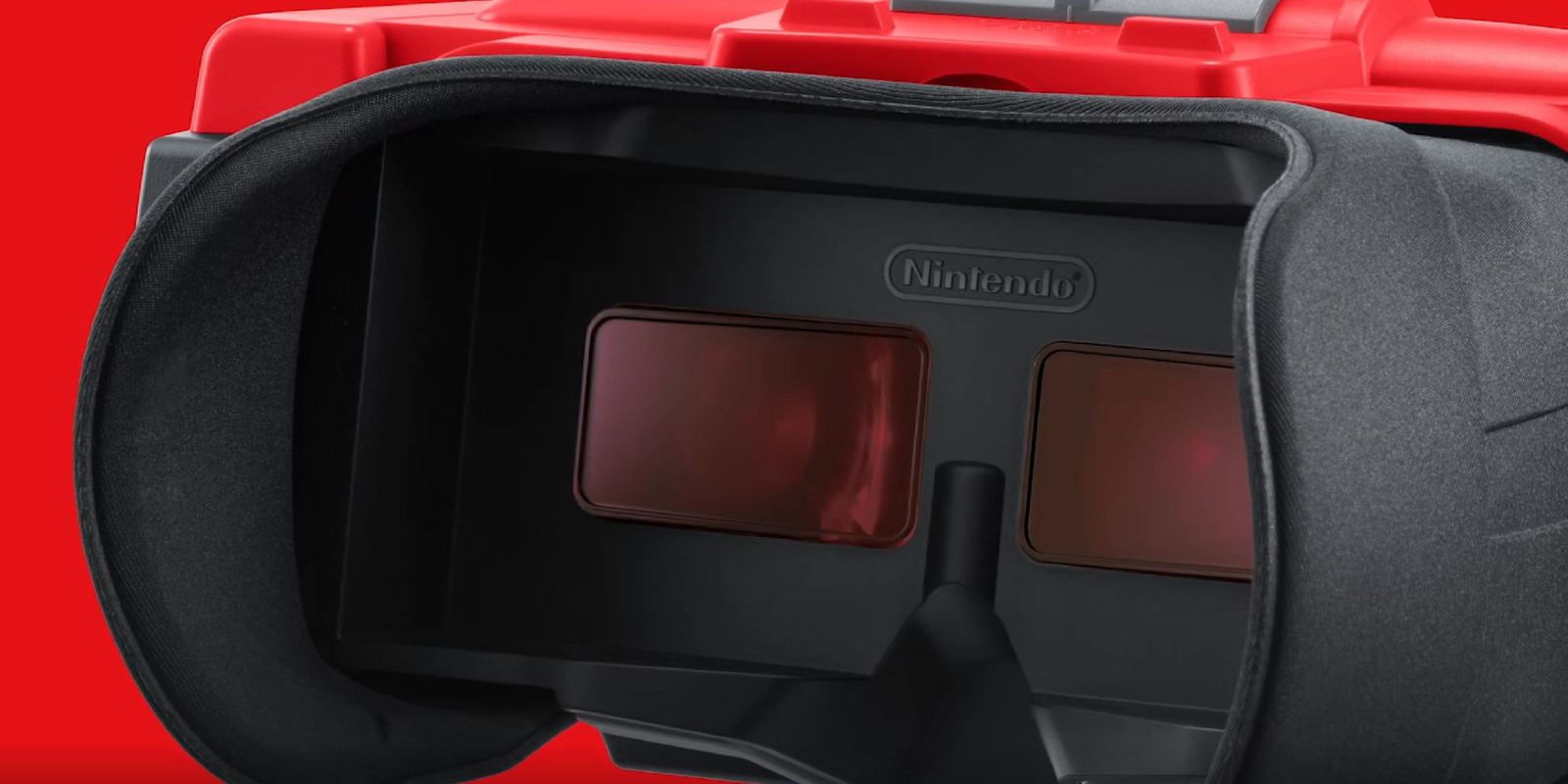
During the September 12 Nintendo Direct, the gaming giant announced the return of the Virtual Boy. To the delight of many fans, the Virtual Boy will be re-releasing as a Nintendo Switch and Nintendo Switch 2 accessory. The 1995 gaming device is a nod at an era of optimism and innovation, and many fans are excited to see its return 40 years later.
I, however, am concerned. The recent trend in 90s and 00s callbacks is great for us gamers who grew up with the industry, but the over-reliance on nostalgia may also be holding the industry back. And nowhere is this more evident than with the Nintendo Switch 2.
Gamers Are Nostalgic For An Era Of Innovation And Fun
The Nostalgia Factor Sells

Companies today are relying more and more on the nostalgia factor, and my generation of 30-somethings is especially susceptible to this nostalgic marketing. This is true for every industry, but especially for the video game industry, which has undergone a transformation in the decades since its start.
Today, gaming consoles are serious, powerful technological innovations, and they carry the appropriate price tag and design weight. These aren’t “toys” anymore.
But I grew up in the 90s and 00s when every improvement in the number and quality of pixels on the screen was cause for celebration. Every gaming product and device was designed to be fun and playful, from the Nintendo Entertainment System (“Now you’re playing with power!”) to the Power Glove (“It’s so bad!”).
“I’m … very concerned that this reliance on the products of yore is holding companies—especially Nintendo—back from creating innovative new products.”
I admit that I love all the callbacks to the simpler time in gaming as much as the next person. But I’m also very concerned that this reliance on the products of yore is holding companies—especially Nintendo—back from creating innovative new products.
The Nintendo Switch 2 Is Being Held Back By Nostalgia
How Can We Move Forward If We’re Always Glancing Back?

The Nintendo Switch 2 is a prime example of how nostalgia can fall short. There’s nothing wrong with the console, which broke records when it launched earlier this year. Still, Nintendo’s newest console is just, well… safe.
Nintendo has always been known for pushing the boundaries and creating playful new experiences for gamers. The company was giving us fun new consoles like the Nintendo Wii while Sony and Microsoft repeatedly made more powerful versions of the same console. But now, it feels like Nintendo might be relying on comfortable nostalgia over riskier innovation.
There is more money than ever in game consoles, which means more potential money to lose. Of course, this makes it harder to try new and uncertain things. Still, I can’t help but be concerned by Nintendo choosing to stick to things that already exist. After all, the Nintendo Switch 2 is just an improved Switch, while the Virtual Boy is a reminder of how ahead of its time Nintendo was in the 1990s.
The Switch 2 could have been so much more, and really pushed the envelope in the console market. Instead, Nintendo seems to be holding back and dwelling in the past instead of taking bold new strides into the future like it used to. How can we move forward if we’re constantly looking back?
The Nintendo Switch 2 is an immensely successful console, so clearly, Nintendo knows what it’s doing. But I don’t want to be reminded of what Nintendo used to be capable of; I want to see the company come up with a brand-new version of the Virtual Boy—a wild concept that’s ahead of its time.
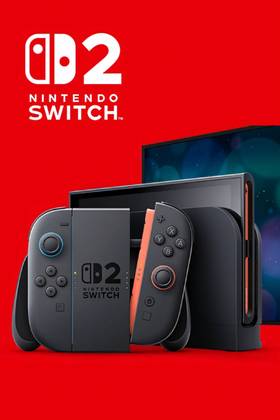

9/10
- Brand
-
Nintendo
- Original Release Date
-
June 5, 2025
- Original MSRP (USD)
-
$449.99
- Operating System
-
Proprietary