Spike Lee gives it his all when he directs a film, an essential trait for a director who frequently tackles weighty subjects and complex social issues in America. The passion of his characters in Do the Right Thing, Malcolm X, and BlacKkKlansman is matched by Lee’s bold formalist choices behind the camera and loud voice on the page. Due to his prevalence in commercials and eminent stature as a celebrity, always seen courtside at every New York Knicks game at Madison Square Garden, Lee is a household name, but most of his expansive filmography is overlooked by the mainstream public. Between his features, shorts, documentaries, and commercials, there is no subject or medium Lee hasn’t brought his unique flavor to, including the stage. Passing Strange, the Broadway play by Stew, only filmed its live theatrical performance, but it feels like a cousin to his work about the contemporary Black experience.
Spike Lee’s Experiments With Theater in ‘Passing Strange’
Spike Lee has never been scared off by a lofty proposition, whether it’s a three-plus-hour biopic about Malcolm X, a scathing satire about race depictions in media shot on digital mini DV cameras in Bamboozled, or a modern-day take on Lysistrata in Chi-Raq. Even when they don’t work, such as his ill-advised re-imagining of Park Chan-wook‘s Oldboy, you have to admire his big swings at every turn. Remaking one of the finest films ever made—Akira Kurosawa‘s High and Low—is bonkers, but Lee’s upcoming film, Highest 2 Lowest, will surely be a singular experience that entertains and probes the viewer throughout every minute of the runtime.
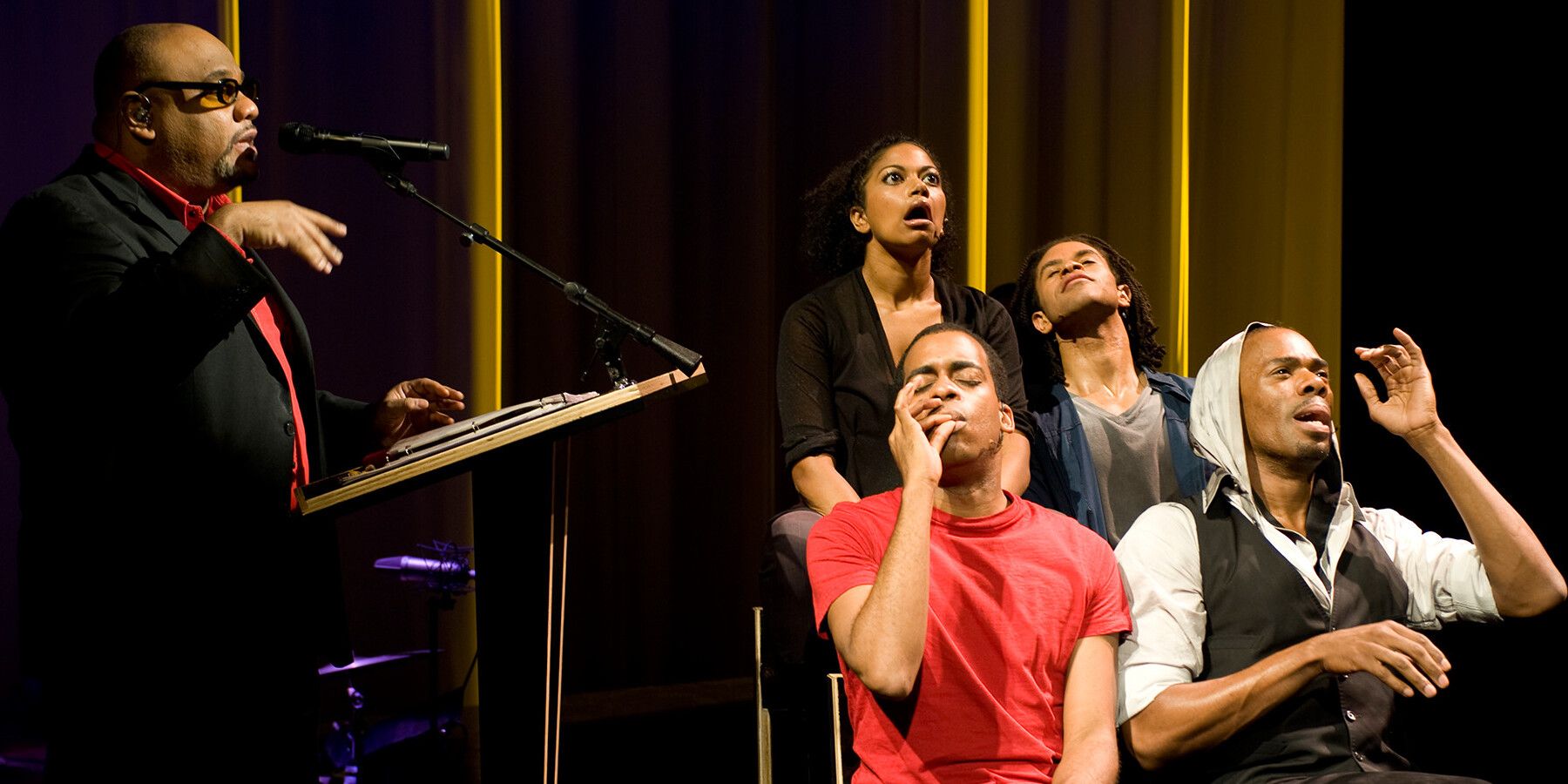
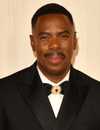
Lee’s diversified portfolio also extends to the stage. As a lifelong New Yorker, he holds reverence for theater as the purest form of artistic expression, including the drama Pass Over, the stand-up special The Original Kings of Comedy, and the concert documentary David Byrne’s American Utopia, all of which were live performances filmed for the screen. Singer-songwriter and playwright Stew saw his most celebrated work, Passing Strange, captured on camera by Lee in 2008 for a film that premiered at the Sundance Film Festival a year later. Starting off-Broadway and eventually working its way up to Broadway, Passing Strange is a comedy-drama rock musical following an anonymous young African-American’s (Daniel Breaker) journey of self-discovery and autonomy, set against the history of Black people in America and contemporary societal expectations. The play also stars future two-time Oscar nominee Colman Domingo in three roles.
Spike Lee Gives ‘Passing Strange’ a Cinematic Bravado
Although he did not write the play, Passing Strange feels like a Spike Lee joint based on its daring storytelling scope and metafictional elements, as Lee is an artist unafraid to wear his ardent beliefs on his sleeve. The play, with its vibrant blend of tones and music styles, feels like a worthy companion piece to Sinners, a more populist version of Stew’s vision of Black empowerment and history. Passing Strange offers an eclectic array of music renditions, from blues to rock and roll, and explodes with emotional vigor in its quippy exchanges between characters and melodramatic monologues.
While few have the privilege of witnessing Passing Strange before you live on stage, Spike Lee’s recording of the play is the closest approximation of having the best seats inside a Manhattan theater. Upon meeting Stew, Lee told the playwright that his work was “very cinematic” and was immediately on board with a filmed adaptation. Stew told Vulture that Lee’s “bravado” as a filmmaker shared a kinship with his vision. “The way he always lets you know you’re watching a film, he’s very much into the camera as this kind of presence,” he explained.
When watching Passing Stage on the screen, it doesn’t register as an overly virtuosic cinematic feat, but that works to the play’s benefit. Stew’s language and vision are already bold and dazzling, so Lee lets the actors and set design do all the heavy lifting. Most filmed recordings of plays try to be too cutting-edge and translate the stage into the language of film, but Lee honors Passing Strange‘s theatrical roots.
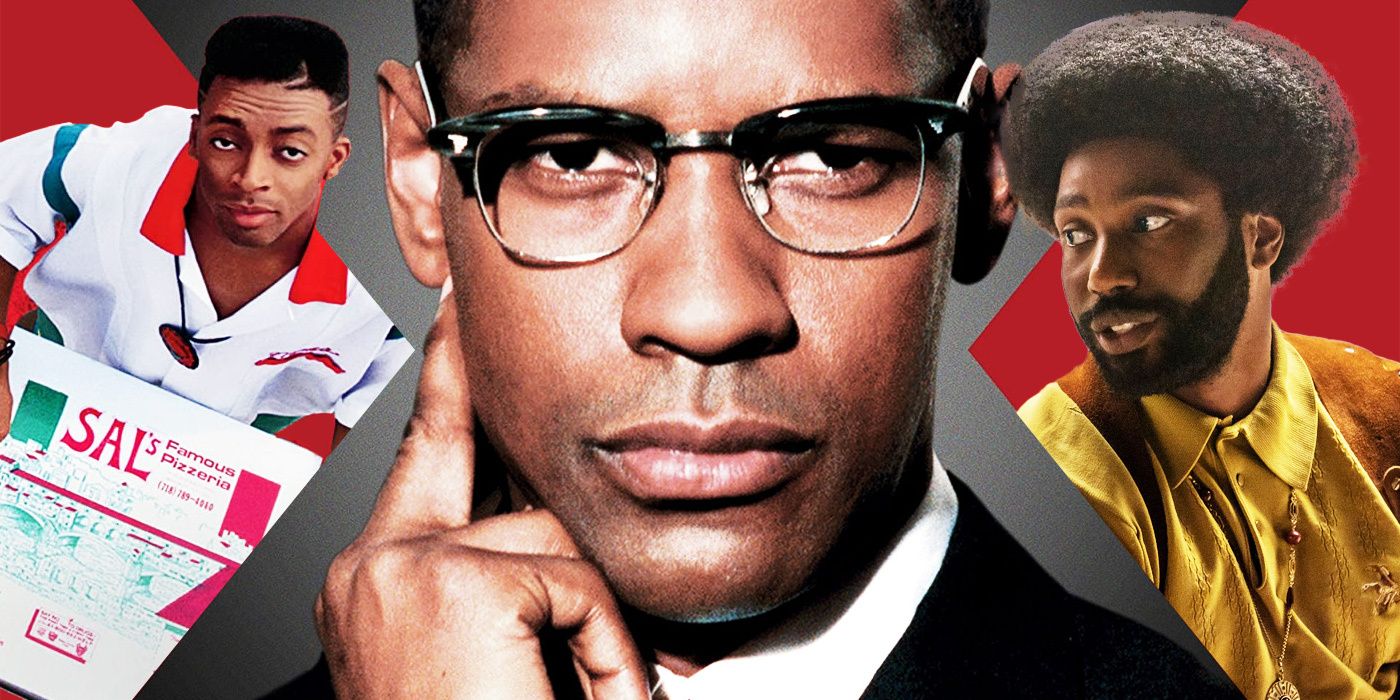
The 10 Best Spike Lee Joints, Ranked: ‘Do The Right Thing’ to “BlacKkKlansman’
As we celebrate Spike Lee’s 65th birthday, let’s look back on the films that have established him as one of Hollywood’s greatest directors.
Lee, who demonstrates his chops at blocking stage presentations in Bamboozled, leaves enough of an imprint on Passing Strange to make it a proper joint of his. Edited by his longtime collaborator Barry Alexander Brown, the film’s sharp cuts between characters in dialogue and performance emphasize the urgency of Stew’s commentary. Shot by another frequent collaborator, Matthew Libatique, the canted angles and intimate profile shots where actors look directly into the camera give this recording the necessary artful touch.
Spike Lee never saw a project he was afraid to put his own unique spin on, and he used his cachet on a stage play that would likely be deemed too esoteric for mainstream audiences. However, the great experimenter in Lee honored Stew’s Passing Strange and enhanced all its wonder and eccentricities for the screen.
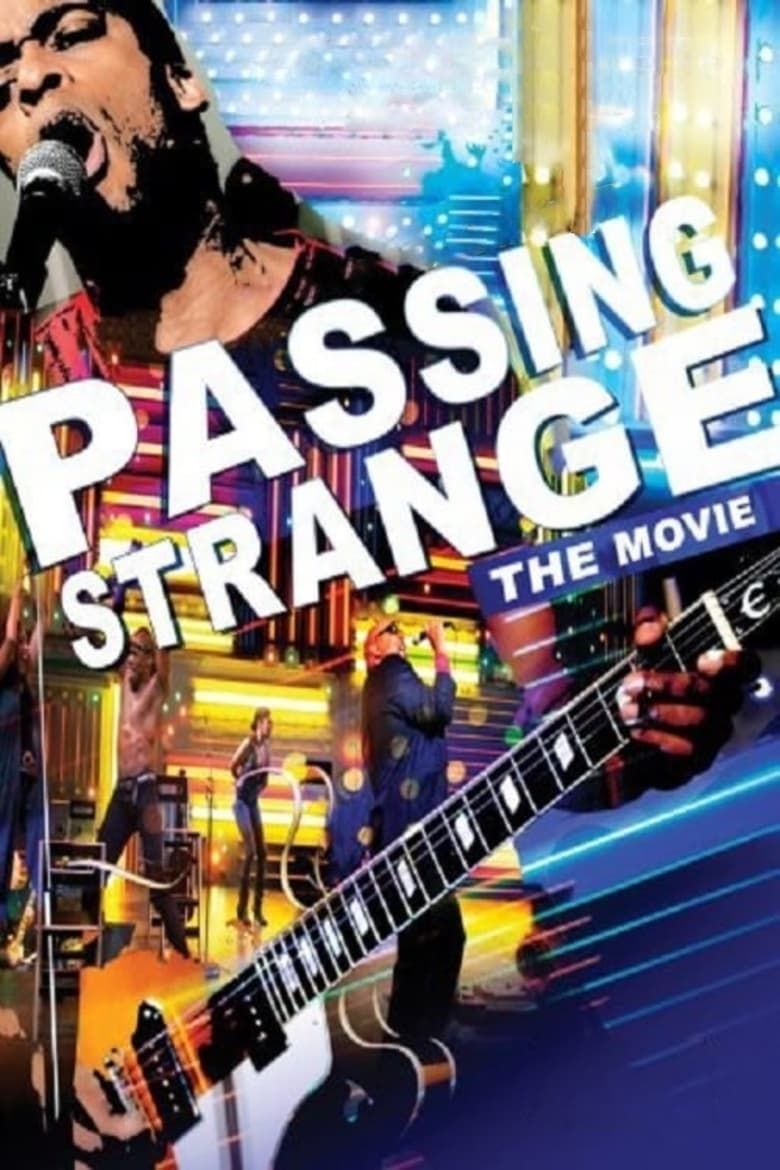
Passing Strange
Release Date
August 21, 2009
Runtime
135 minutes
Writers
Stew
Producers
Steve Klein
Cast
-

-
De’Adre Aziza
Edwina / Marianna / Sudabey
-
-
Mr.Franklin / Joop / Mr. Venus