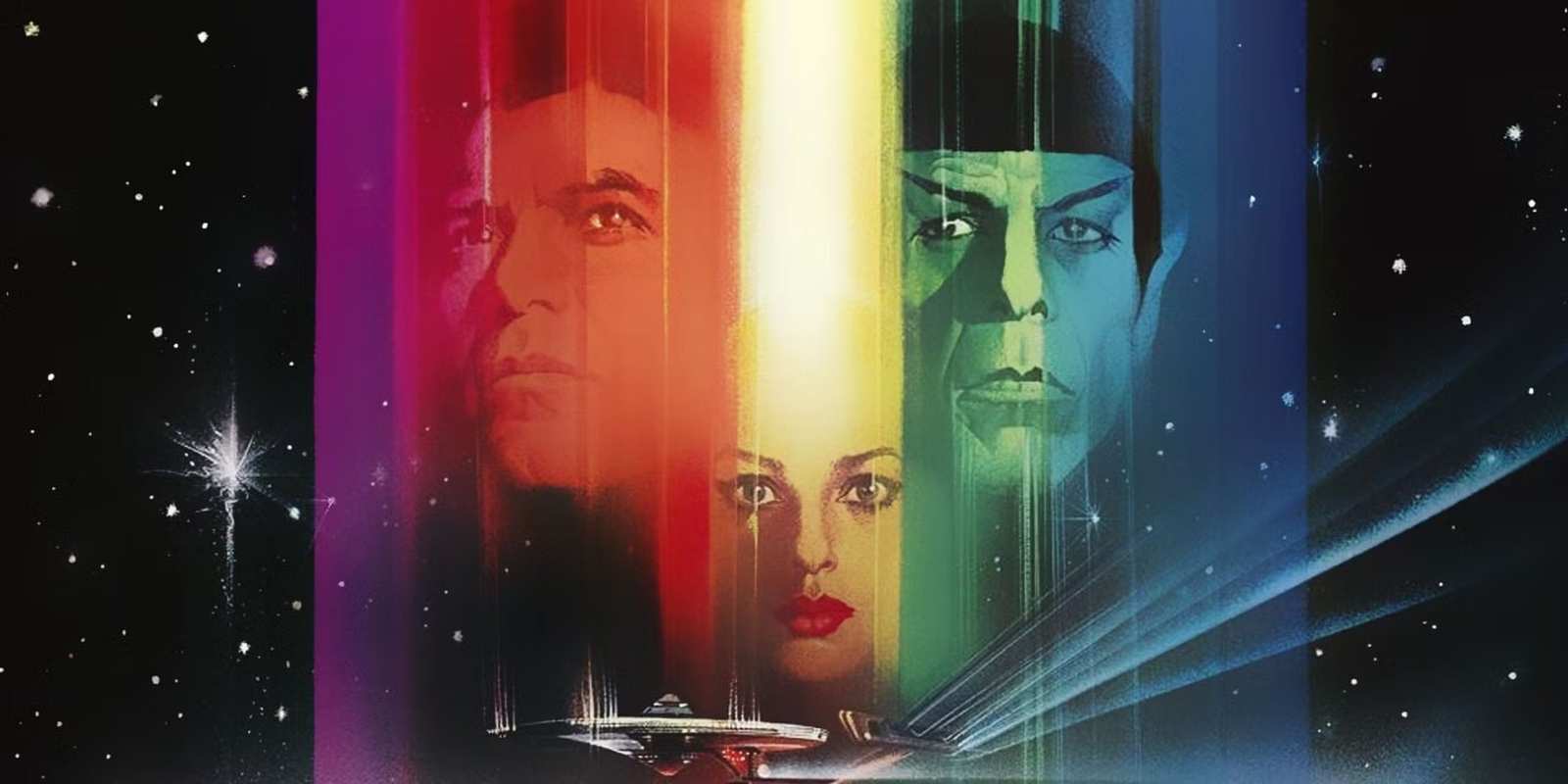
46 years ago, Star Trek dropped an Original Series sequel that fans pretend did not happen. Star Trek’s path through comics has been long and winding, with stops at nearly every major publisher, including two stints at Marvel Comics, and it was during the first that the franchise dropped a sequel to The Motion Picture that is often overlooked.
In late 1979, Marvel rolled out its own Star Trek title, having wrested the license from Gold Key. Beginning with a three-issue adaptation of Star Trek: The Motion Picture, the series then followed Kirk and the Enterprise crew on their second five-year mission. By all accounts, this series should have been huge, but instead it faltered.

What went wrong?
Star Trek Has a Long History With the Comics Medium
Star Trek’s First Comics, Published by Gold Key, Are Goofy by Today’s Standards

Star Trek premiered on NBC on September 8, 1966, and the first comics appeared roughly a year later. The initial Star Trek comics were published by Gold Key, a division of Western Publishing. Gold Key was at the time well known for its movie and television tie-in comics. Obtaining the rights to Star Trek seemed only natural.
As is well documented by Star Trek comics historians, Gold Key’s first forays into the final frontier left something to be desired. These early issues regularly broke canon in many ways: crewmembers acted differently, and some of the likenesses bore little resemblance to the actual characters. This was due to the initial creative teams not being based in the United States.
Eventually, these problems were resolved, and Gold Key settled into a rhythm with its Star Trek comics, one that would carry them past the show’s cancellation and into its rebirth in syndication. Despite some of the “changes” to the source material, Gold Key’s Star Trek comics are not without their charms.
Star Trek Creator Gene Roddenberry Spent the 1970s Trying to Bring It Back
Shifting Tides in Pop Culture Finally Convinced Paramount to Make a Star Trek Movie

At the same time Gold Key was publishing Star Trek comics, both fans and series creator Gene Roddenberry were trying to get a new show off the ground. Star Trek had found new fans airing in syndication, and these same people began holding conventions devoted to the show. Still, Paramount did not seem interested.
The studio did give fans a new Star Trek show in 1973 with the premiere of The Animated Series. As the name implies, it was a cartoon version of the classic Star Trek, complete with some of the original cast reprising their roles. The Animated Series would last two seasons, and then Star Trek was back off the air.
By the late 1970s, the science fiction film genre was undergoing a renaissance, thanks to movies such as Star Wars and Close Encounters of the Third Kind. Around this time, Paramount greenlit a new live-action Star Trek show, titled Phase II, but when Star Wars and Close Encounters hit, the studio changed course.
Released in December 1979, Star Trek: The Motion Picture marked the franchise’s triumphant comeback, even if the film itself failed to connect with critics and some of the fan base. The film did well to justify sequels that were much better, ensuring the franchise’s continued survival for many years to come.
Marvel’s Star Trek Title Should Have Been a Huge Hit
Instead, Marvel’s First Star Trek Was Hampered by a Bad License and Creative Shifts
Marvel’s Star Trek title, which premiered concurrently with The Motion Picture, should have been another feather in the publisher’s cap. Marvel had struck gold a few years earlier with a tie-in Star Wars comic, leading fans to think Star Trek would be just as good. Marvel’s Star Trek also featured top-flight writers and artists at the helm.
Yet from the outset, Marvel’s Star Trek title was plagued with problems, the first and foremost among them being a highly restrictive license. Marvel was only allowed to use Enterprise crewmembers and aliens that had been in The Motion Picture. This put a number of popular alien races, such as the Gorn and the Tholians, out of reach.
Without access to the rest of Star Trek lore, the book’s creative personnel had to get creative, and the results were mixed. The writers and artists of Marvel’s first Star Trek title, who denied the use of villains such as Khan or species such as the Andorians, had to invent new threats for Kirk and the Enterprise to fight.
The writers and artists of Marvel’s first Star Trek title, who denied the use of villains such as Khan or species such as the Andorians, had to invent new threats for Kirk and the Enterprise to fight.
Since the Klingons appeared at the beginning of The Motion Picture, a handful of issues of Marvel’s first Star Trek run are centered around them. However, the lore around the Klingons was still nebulous, so seeing them use an enslaved telepath to create a stereotypical haunted house in space stretches credibility with today’s audiences.
Since Marvel was shackled with a subpar license that kneecapped creators, its Star Trek title also suffered from rotating creative teams. Writers and artists such as Marv Wolfman, Tom DeFalco and Dave Cockrum took turns at chronicling Kirk and company’s adventures. That these all-star creators were unable to produce great stories is a testament to how awful Marvel’s license was.
Marvel’s First Star Trek Comics Did Have Their Moments
Doctor McCoy’s Daughter Made One of Her First Appearances in Marvel’s Star Trek Comic

That is not to say that Marvel’s initial Star Trek offerings are not good, or unworthy of being read. On the contrary, some of the stories are actually good, making clever use of science fiction tropes such as time travel and non-corporeal beings. These stories also give the spotlight to Doctor Chapel and Yeoman Rand, two underused TOS characters.
One issue of Marvel’s Star Trek stands out above the rest. Issue 13, written by Martin Pasko and drawn by Joe Brozowski, introduced fans to Doctor McCoy’s estranged daughter Joanna. She has been mentioned in numerous non-canon sources, such as comics and novels, but has yet to be seen on-screen.
Marvel’s Star Trek Comic Is Largely Forgotten Today
There Have Been Few Reprints of Marvel’s Star Trek Comics

Thanks to the prohibitive license, and the lack of creative direction, Marvel’s first Star Trek run was canceled after only 18 issues. The rights would then go to DC Comics, who produced arguably some of the best Star Trek comics of all time. After DC’s license expired in the mid-1990s, Marvel found themselves making Star Trek comics once again.
Today, Marvel’s first Star Trek comic is an interesting footnote in the franchise’s long history with the medium. Sandwiched between two better runs, Marvel’s Star Trek does not get the same amount of attention from fans and critics. IDW, the current rights’ holder, has reprinted Trek comics from Gold Key, DC and even Marvel’s second run, but the first remains neglected.