Prime Video’s The Lord of the Rings: The Rings of Power perfectly highlights what’s wrong with modern fantasy TV. This isn’t to say that the Lord of the Rings series is a complete disaster. Despite the divisiveness around the show, there’s a great deal that Rings of Power does well. However, like many other fantasy TV projects, Prime Video’s massive undertaking was somewhat doomed from the start.
The Lord of the Rings is a staple of the fantasy genre and has served as a figurehead for other successful book series, such as Harry Potter and A Song of Ice and Fire. Screen adaptations have been largely successful as well, with Peter Jackson’s central Lord of the Rings trilogy standing as one of the most iconic fantasy film franchises of all time. So, it’s no surprise Prime Video saw Rings of Power as a shoo-in.
Rings of Power revolves around some of the stories explored in Tolkien’s The Silmarillion, specifically adapting Sauron’s rise and creation of the titular Rings of Power. This is a story Lord of the Rings fans have been requesting for decades, and the TV format seemed the best way to make it happen. Prime Video embraced the undertaking and set to work creating what is notoriously the most expensive fantasy TV show of all time.
The Rings Of Power Is The Most Ambitious Fantasy Show In History

Prime Video knew from the start that Rings of Power was going to be the most ambitious fantasy TV series in history. In fact, it seemed as if the streaming platform intended this to be the most significant draw—a monumental show that would solidify Prime Video’s legacy.
Before we even get to the price tag, it’s important to consider how ambitious Rings of Poper‘s story is. Tolkien was notoriously complex in his world-building. The Lord of the Rings was complicated enough, but that’s nothing compared to The Silmarillion. Any story set in the Second Age of Middle-earth would have to cover thousands of years, and Prime Video had committed to only five seasons.
Then there is, most notoriously, the astonishing cost of bringing Rings of Power to the screen. To acquire the rights from Tolkien’s estate, Prime Video had to cough up $250 million (via Business Insider). This came with a built-in kill cost, which means the company would have to pay an additional $20 million for every season (out of the planned five) that goes unmade after a potential cancellation.
Once Prime Video paid Tolkien’s estate for the rights (only to the Lord of the Rings books and some select details of The Silmarillion), it was time to dive into production. The first season alone cost approximately $465 million to create, bringing the total up to $715 million for a single installment. After Rings of Power season 2, it’s estimated that Prime Video has paid between $800 million and $1 billion so far.
This sort of price tag on a TV show is unheard of, and Prime Video isn’t even done yet. By the end of the five planned seasons, the total cost will likely spill over the $2 billion mark. To put this into perspective, all eight seasons of Game of Thrones—easily the most popular fantasy TV series in history—only cost about $560 million (not counting marketing).
Amazon Saw In The Rings Of Power The Chance To Have Its Own Game Of Thrones

It’s no surprise that the price tag for Rings of Power is so much higher than Game of Thrones, since the HBO series seemed to be the one to beat. We can likely thank Game of Thrones for the rising popularity of fantasy TV shows. This series demonstrated that complex book series were far better suited to the TV medium than film franchises, which had been the standard for screen adaptations up to that point.
Everyone wanted in on the sort of financial and cultural success of Game of Thrones. Not only is this one of the most-watched TV shows ever, but it has also become a marketing phenomenon. Brand deals meant even more money went right into HBO’s pockets. Recreating something similar would mean Amazon could keep making millions even after the five seasons had ended.
Of course, this isn’t exactly how things have gone for Rings of Power. Though Prime Video maintains that the fantasy show is performing well, anyone can tell that the cultural impact hasn’t been anywhere near that of Game of Thrones. In fact, no fantasy TV show has competed with HBO’s crowning glory, despite its best efforts.
Every Fantasy Show Created In Response To Game Of Thrones Has Struggled So Far
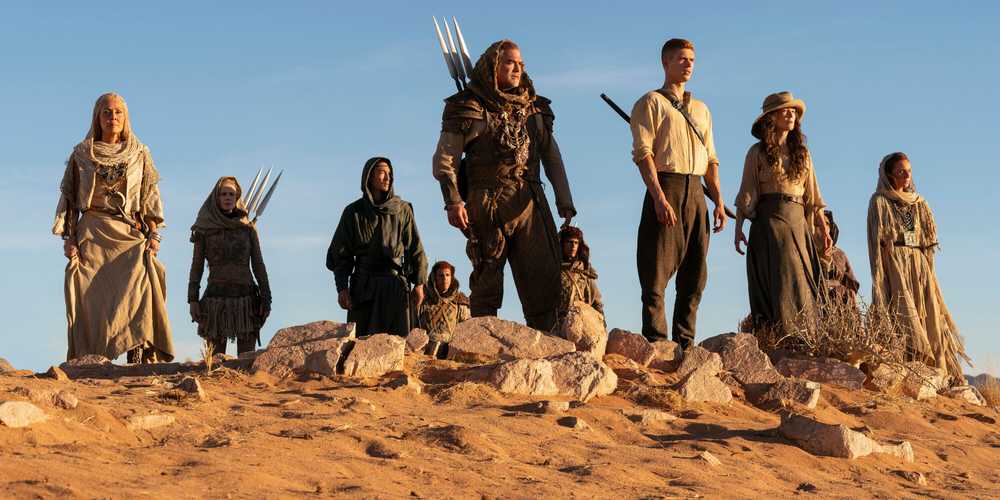
Prime Video may have dumped the most money into its effort to duplicate Game of Thrones‘ success, but it’s far from the only production company to make an attempt. Game of Thrones inspired a boom in fantasy TV shows, especially book-to-screen adaptations. The Witcher, Shadow and Bone, Wheel of Time, and more gave it their best shot, but fell flat.
Book accuracy tends to be a major factor in these (arguably) failed TV adaptations. The Witcher has been nearly as controversial as Rings of Power because of its significant alterations to the canon material. Then, shows like Shadow and Bone and Wheel of Time simply failed to develop a reliable viewership base, making even their significantly lower budgets unprofitable. Here lies the problem.
The Rings Of Power Is A Great Show – But It Illustrates A Major Fantasy TV Problem

Rings of Power isn’t a poorly made TV show, however controversial that statement may be. Prime Video’s budget allowed for quality special effects, a great cast, exceptional writing, and a musical score from one of the best composers in TV (Bear McCreary). A great deal was changed from Tolkien canon, but much of this was necessary, and almost always carefully handled.
Despite all of this, Rings of Power will never leave the sort of mark on popular culture that Amazon might have hoped, nor will it ever fully justify that outrageous budget.
Despite all of this, Rings of Power will never leave the sort of mark on popular culture that Amazon might have hoped, nor will it ever fully justify that outrageous budget. This has very little to do with the show itself and revolves more around the major obstacle that is faced by essentially any fantasy TV program.
As popular as fantasy TV has become since the success of Game of Thrones, shows like Rings of Power now demonstrate that the genre remains somewhat niche. HBO’s adaptation of George R.R. Martin’s work performed so well because it could appeal to a wide range of audiences. Yes, it’s a fantasy series. However, it’s really more of a sexy political thriller with fantasy elements mixed in.
Fantasy TV will always be expensive, but it will only draw a wide audience in very rare cases. Even House of the Dragon, Game of Thrones‘ prequel series with a more fantasy feel, hasn’t had the same impact. Rings of Power, like House of the Dragon, The Witcher, and Wheel of Time, etc., demand that audiences have an established passion for the lore and legendarium, and that’s a pretty big ask of a large viewer base.
This big problem, so beautifully highlighted by Rings of Power, indicates that the fantasy TV boom that Game of Thrones inspired will die out as we head into a new decade. Although there will always be TV offerings of this genre, companies like Amazon will have to think twice before they invest their billions.

- Release Date
-
September 1, 2022
- Network
-
Amazon Prime Video
- Showrunner
-
John D. Payne, Patrick McKay, Louise Hooper, Charlotte Brändström, Wayne Yip
- Directors
-
J.A. Bayona, Sanaa Hamri
- Writers
-
Patrick McKay, John D. Payne, J.R.R. Tolkien, Justin Doble, Jason Cahill, Gennifer Hutchison, Stephany Folsom, Nicholas Adams