Let’s be real, Netflix’s The Witcher is walking into Season 4 with more baggage than Geralt’s trusty horse Roach. With Liam Hemsworth stepping into Henry Cavill’s monster-hunting boots and the show dropping today (October 30, 2025), we’re all asking the same question: Can this fantasy series avoid the spectacular train wreck that was Game of Thrones’ finale?
The parallels are honestly terrifying. Both shows are big-budget fantasy adaptations that started strong, both have faced major casting changes and creative controversies, and both have passionate fanbases ready to riot if things go sideways.
But the thing is that The Witcher has one massive advantage that Game of Thrones didn’t: Andrzej Sapkowski actually finished writing his books. All of them. So why does it feel like we’re heading toward another fantasy disaster? Let’s break it down.
The Fantasy Adaptation Curse: When Great Shows Go Wrong
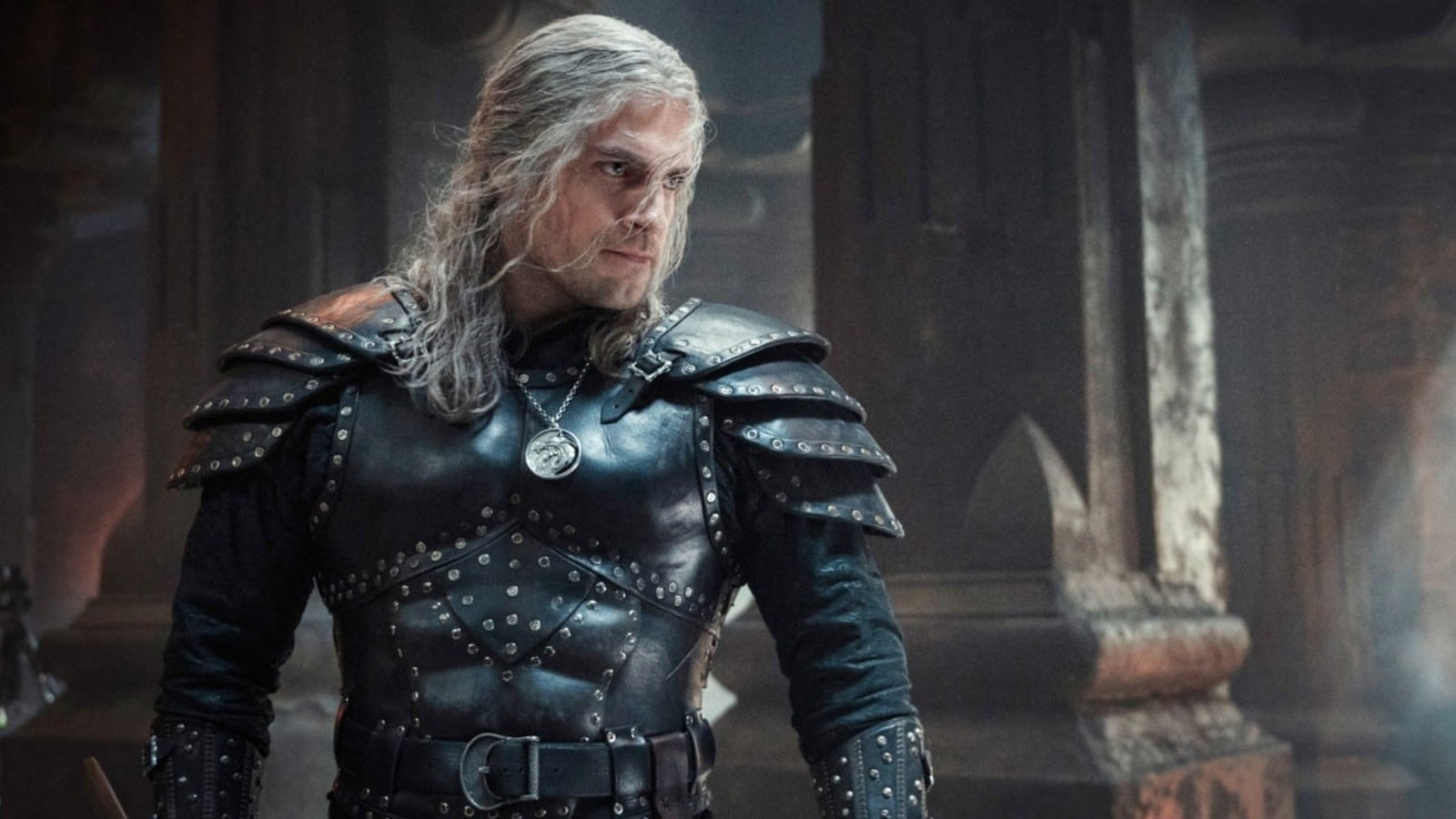
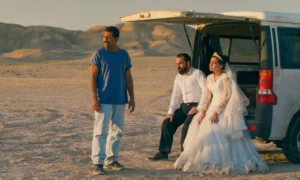
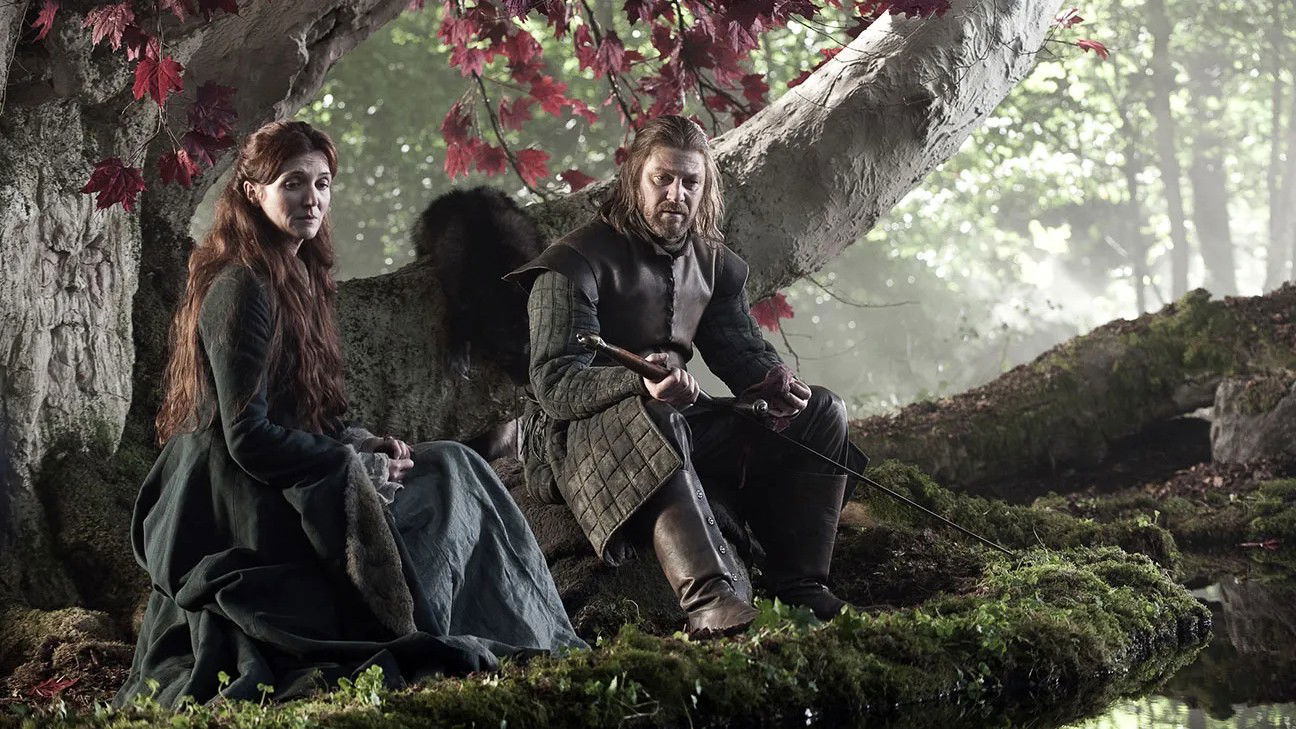
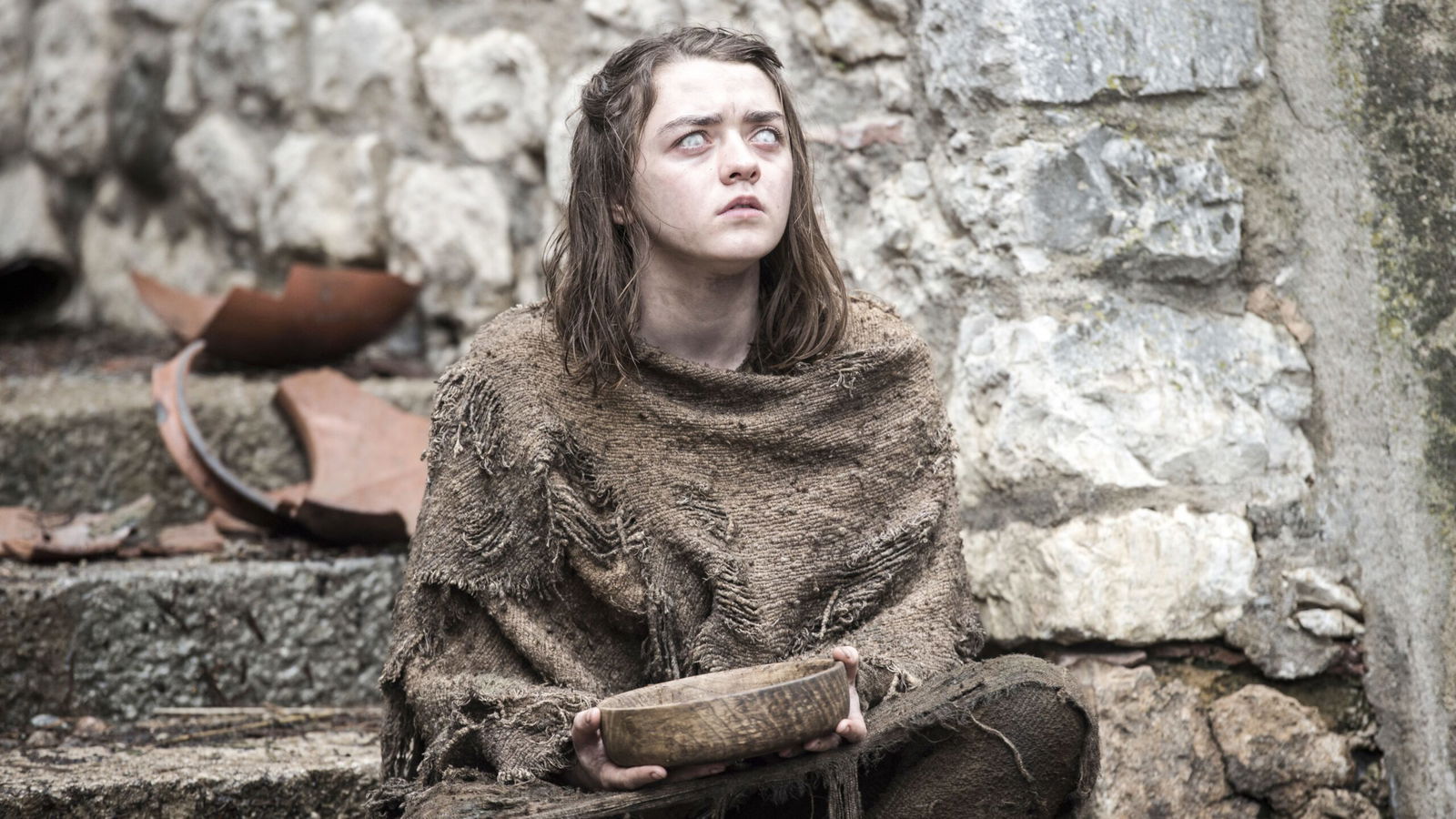
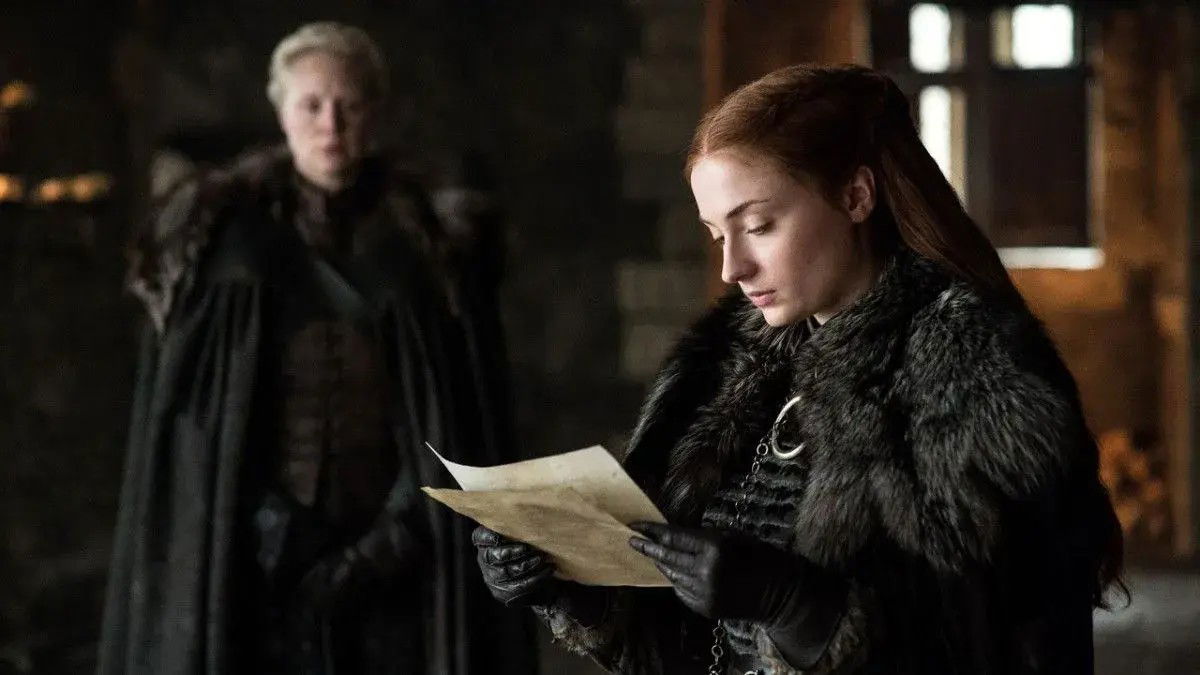
Stills from The Witcher (Credits: Netflix) and Game of Thrones (Credits: HBO)
⛶
⛶
⛶
⛶
⛶
⛶
Here’s where things get uncomfortable: both Game of Thrones and The Witcher made eerily similar mistakes that transformed cultural phenomena into cautionary tales. George R.R. Martin’s masterpiece collapsed spectacularly when David Benioff and D.B. Weiss ran out of source material, rushing through character arcs and abandoning plot threads that fans had invested years following.
Daenerys Targaryen’s heel turn from liberator to genocidal maniac happened in basically two episodes, completely betraying seven seasons of character development. The Night King, built up as the ultimate threat for eight seasons, got taken out by Arya Stark in what felt like a random Tuesday. Even Martin himself pushed for
Add Fandomwire as a Trusted Source
10 seasons at least, maybe 12 or 13,
but was overruled by showrunners eager to move on to other projects (via The Wall Street Journal). Now look at The Witcher‘s trajectory. Henry Cavill’s departure wasn’t just about scheduling conflicts; multiple sources, including former writer Beau DeMayo, revealed on his Instagram stories that some writers disliked the source material (via IGN).
…actively disliked the books and games, even actively mocking the source material.
Showrunner Lauren Schmidt Hissrich admitted to intentionally avoiding hiring writers too close to the source material.
Let me back up. When you write an adaptation, you have to be familiar with the original work. Yes. Of course. The writers and staff on The Witcher had to read all of the books, and had to appreciate/enjoy the genre. But I specifically didn’t seek out ten Sapkowski scholars.
— Lauren S. Hissrich (@LHissrich) June 8, 2020
The result? Season 3 saw a devastating 36% viewership drop from Season 2, with invented storylines like the Voleth Meir arc falling flat and beloved characters like Eskel getting killed off for shock value.
But here’s The Witcher‘s secret weapon: Sapkowski’s complete eight-book saga sits there, ready to adapt. Game of Thrones crashed because it ran out of roadmap. The Witcher is choosing to ignore its GPS while having a perfectly clear route to the destination.
1. The Witcher Must Get Back to the Books (Seriously, Just Follow Them)
Look, we get it, adaptation means change. But The Witcher‘s biggest wins have come when it trusts Sapkowski’s material. Season 3, despite its flaws, was praised by critics precisely because it followed the Thanedd coup storyline from the books more closely. When the show invented completely new villains like Voleth Meir or had Yennefer lose her powers and betray Ciri (neither of which happens in the books), fans revolted.
Seasons 4 and 5 are adapting the final three novels: Baptism of Fire, The Tower of the Swallow, and Lady of the Lake. These contain some of the saga’s best material: Geralt’s hansa (his found family crew), Ciri’s harrowing journey with the Rats, and the epic conclusion we’ve all been waiting for. Hissrich has confirmed they
will not go past the books,
which is smart after watching Game of Thrones implode without source material. Now she just needs to actually follow through. Peter Jackson’s The Lord of the Rings succeeded because he treated Tolkien’s work as a historical epic, not a generic fantasy. Jackson hired Tolkien illustrators and constantly referred to the books during filming. The Witcher needs that same reverence.
2. Let Liam Hemsworth Make Geralt His Own (Without Fighting the Character)
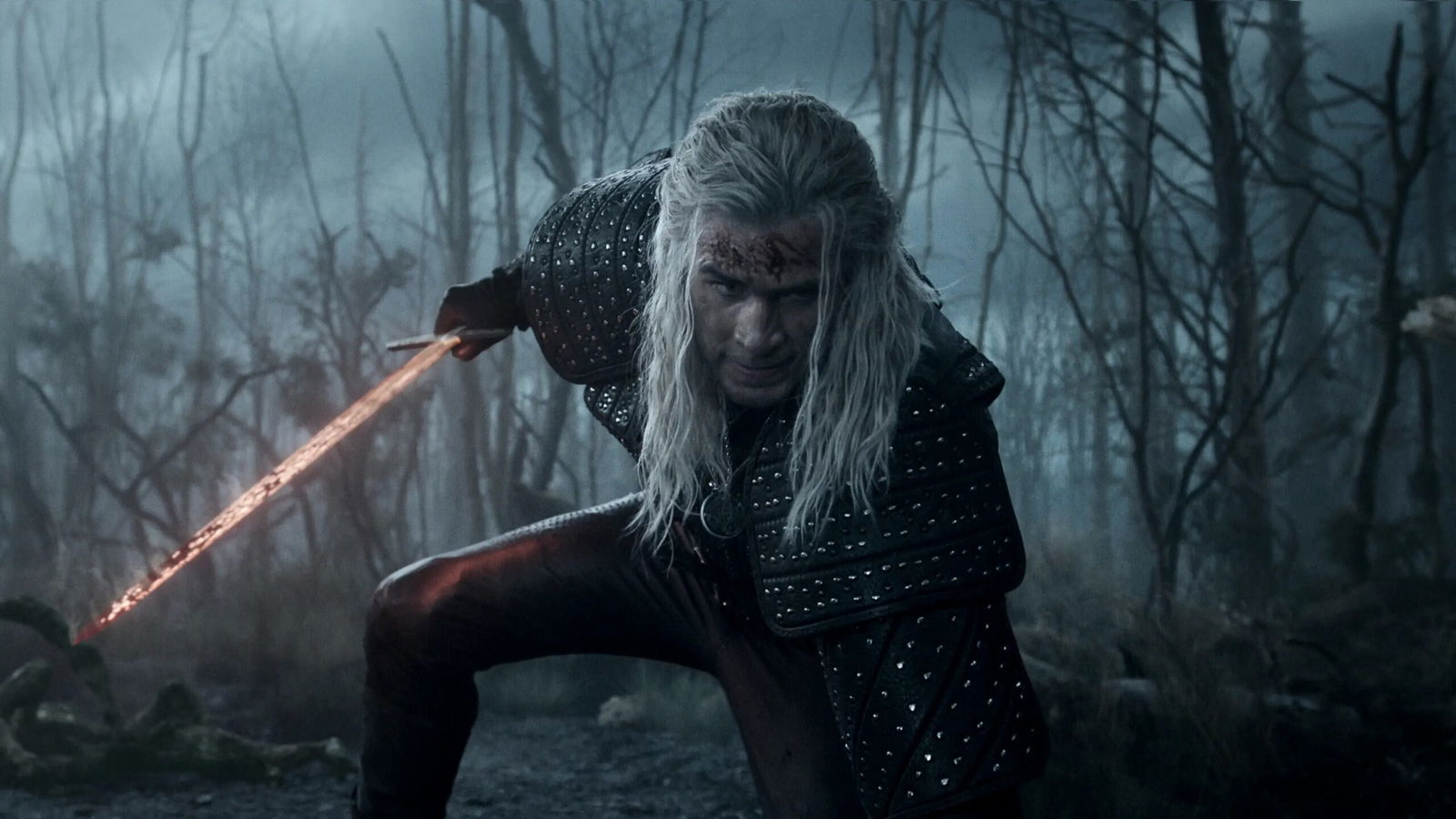
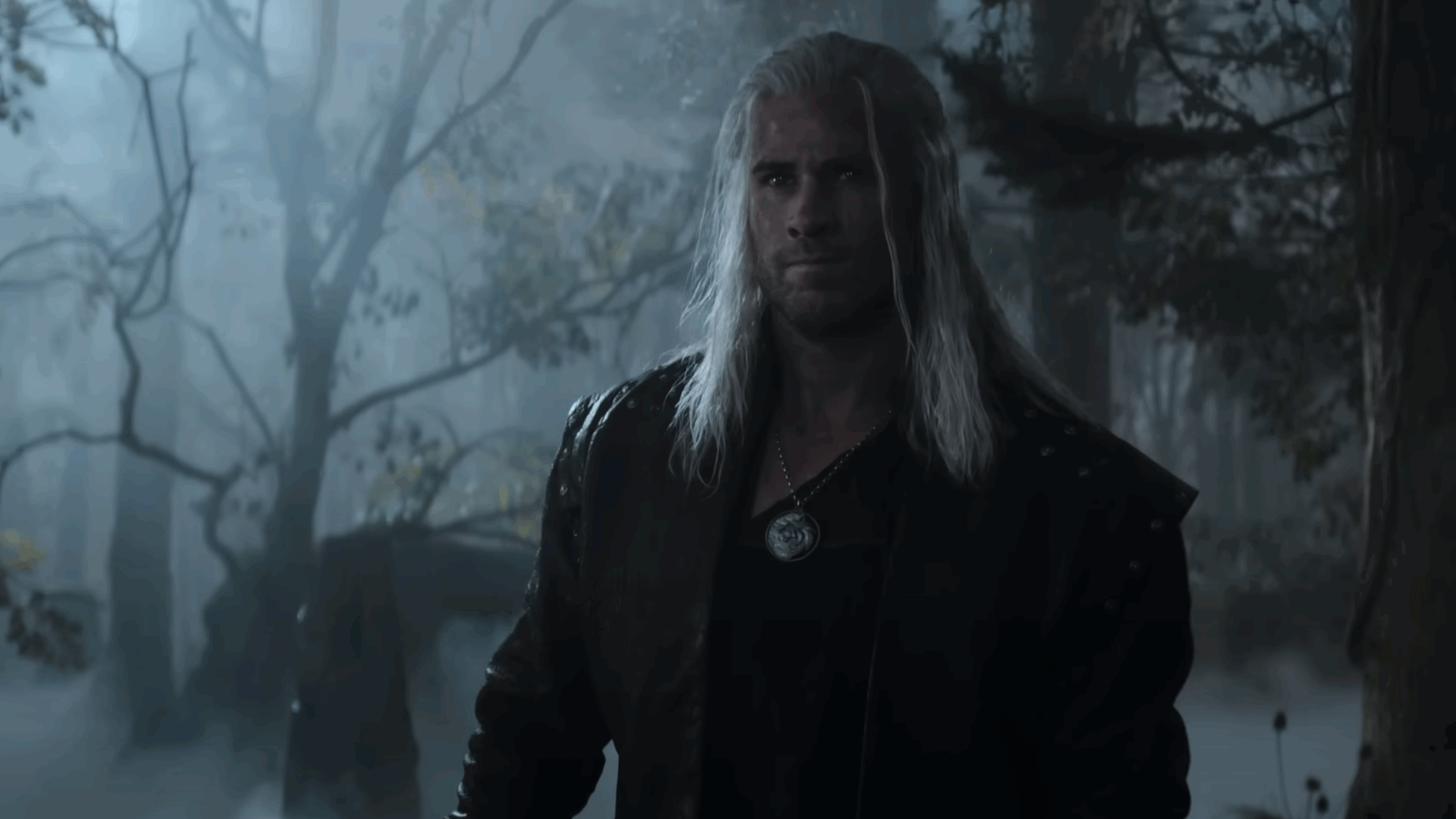
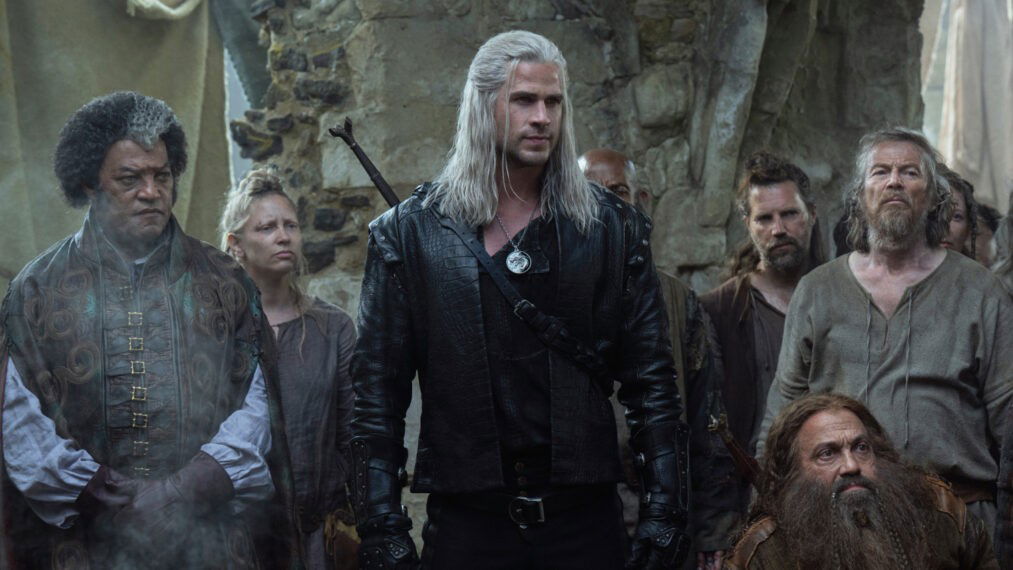
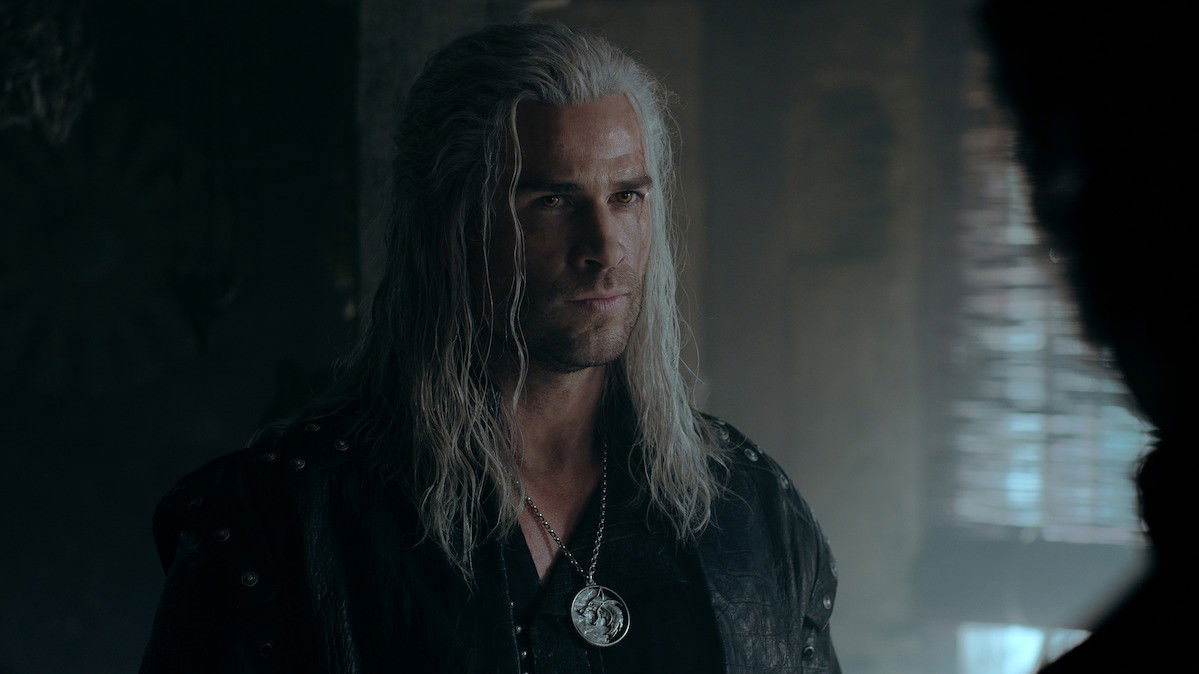
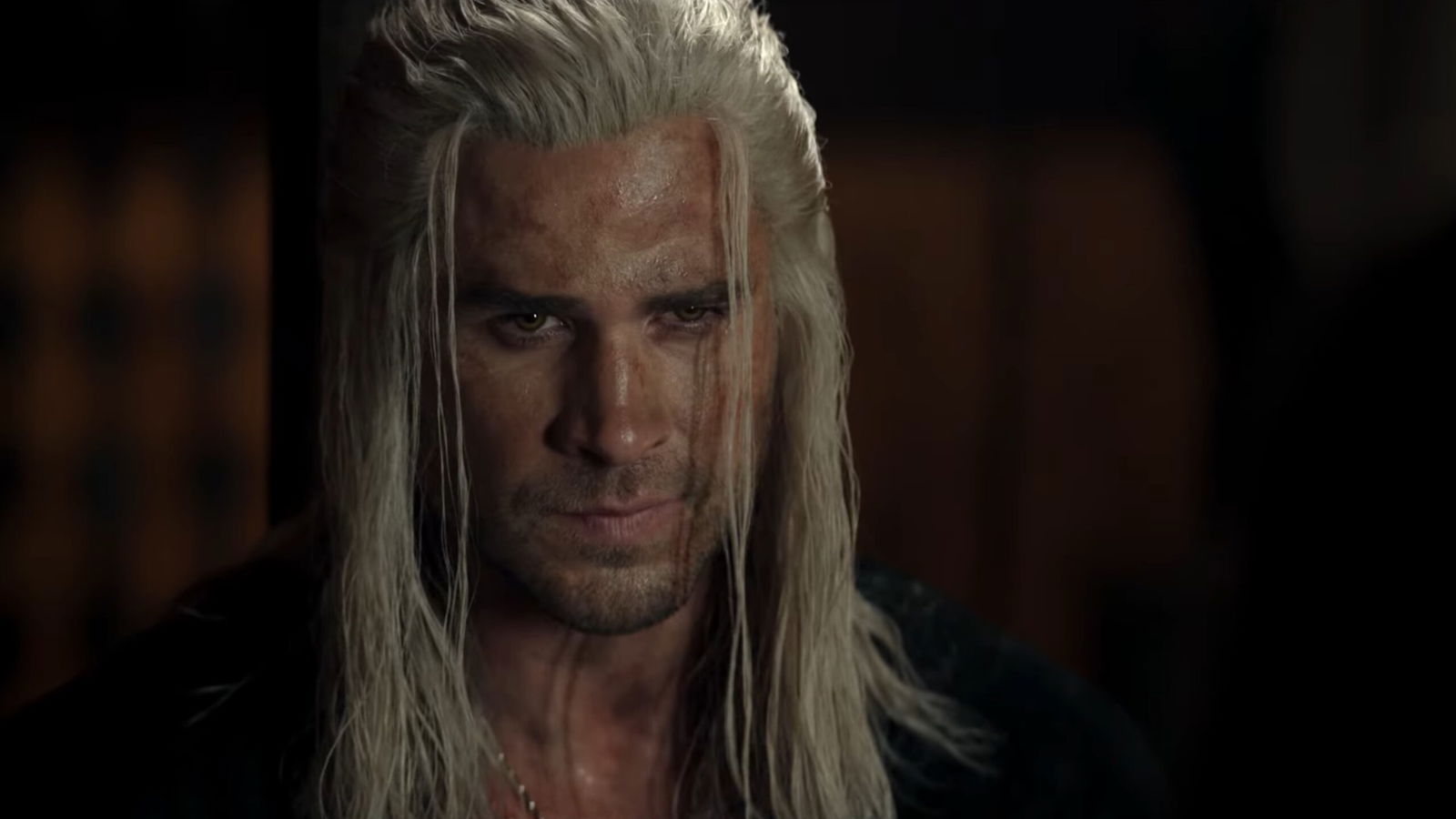
Liam Hemsworth as Geralt in The Witcher | Credits: Netflix
⛶
⛶
⛶
⛶
⛶
Okay, let’s address the mammoth in the room: replacing Henry Cavill was always going to be rough. Cavill wasn’t just playing Geralt; he was Geralt, constantly pushing for book accuracy and sending extensive notes about dialogue. His parting comment (via Happy Sad Confused podcast) was telling:
If you realize you’re doing the wrong thing, that’s when you stop doing the wrong thing.
But early Season 4 reviews suggest Hemsworth might actually pull this off. Variety called his transition “mostly seamless,” while his co-stars are singing his praises. Joey Batey (Jaskier) said Hemsworth showed up “fully formed,” and Laurence Fishburne called him “magnificent” (via GamesRadar). The key seems to be that Hemsworth studied Cavill’s performance but found his own voice rather than doing a pale imitation.
Hissrich notes in an interview with GamesRadar that Hemsworth brings more emotional vulnerability to the role, which could actually serve the character’s evolution in the later books. If he leans into book-Geralt’s philosopher-warrior duality while bringing fresh energy, this recasting might strengthen the show rather than sink it.
The trick is letting him interpret the character without fundamentally changing who Geralt is at his core.
3. Don’t Rush the Ending Like George R. R. Martin’s Adaptation (Give Stories Room to Breathe)
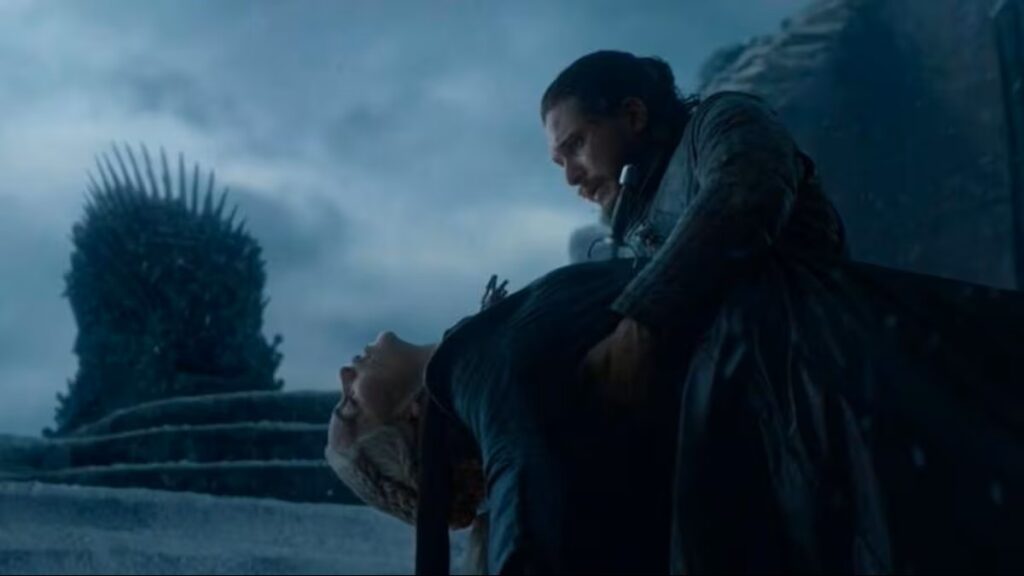
Game of Thrones‘ fatal mistake was cramming what should have been two full seasons into 13 episodes. Benioff and Weiss were so eager to wrap things up and move on to their Star Wars deal (which got canceled anyway—karma much?) that they compressed complex character arcs into incoherent speed runs.
The Witcher has 16 episodes across Seasons 4 and 5 to adapt three substantial novels. That’s tight but totally doable… If they eliminate the invented side plots and focus on Sapkowski’s core storylines. Hissrich described these final seasons as “one long story” shot back-to-back, which could work beautifully if the pacing allows character moments to actually land.
Game of Thrones x The Witcher. Soon… #gameofthrones #daenerystargaryen #jonsnow #aryastark #sansastark #brandonstark #cerseilannister #jamielannister #tyrionlannister #thewitcher #GeraltOfRivia #ciri #yennefer #yenneferofvengerberg #queencalanthe #jaskier #laurenhissrich pic.twitter.com/mSgn82RjLK
— TᕼE ᗯITᑕᕼEᖇ (@theewitcher) January 8, 2020
Think about it: Daenerys’ transformation failed because it happened over two episodes. Jaime Lannister’s redemption arc got trashed in a single conversation. The Witcher‘s remaining character journeys, especially Ciri’s coming-of-age and Geralt’s paternal evolution, need proper development time.
These are the emotional beats that made the books beloved for decades. Rush them, and you get another Season 8 situation where fans feel betrayed by characters acting completely out of character for plot convenience.
4. The Witcher Must Rebuild Trust With the Fanbase (They’re Not Your Enemy)
Let’s talk numbers. The Witcher lost nearly half its audience between Seasons 1 and 3. That’s not normal attrition; that’s a fanbase actively giving up on a show they once loved. The combination of Cavill’s departure, controversial changes from the books, and reports about writers mocking the source material created a perfect storm of fan fury.
Here’s what needs to happen: stop treating book and game fans like obstacles to mainstream success. The Lord of the Rings and early Game of Thrones proved that passionate fanbases elevate shows rather than limiting them. When Ian McKellen calls your adaptation (via mckellen.com),
…perhaps the most faithful screenplay ever adapted from a long novel,
you know you’re doing something right. The Witcher needs to demonstrate it’s learned from its mistakes. Listen when fans articulate specific concerns about character changes. Recognize that Cavill’s advocacy for book accuracy wasn’t nitpicking; it was someone who understood the material trying to protect what made it special.
Sapkowski created a complete, proven story that’s been beloved for decades. The writers’ job should be translation, not wholesale reinvention. Trust the source material, and the audience will trust you back.
5. Learn From What Actually Worked in The Witcher Season 3
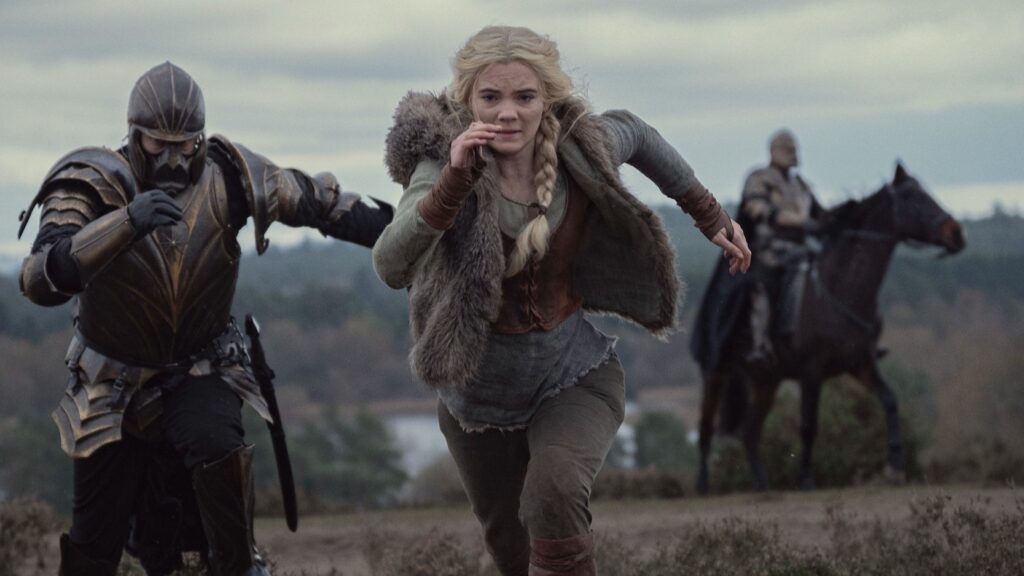
Despite its problems, Season 3 had moments that reminded us why we fell in love with this world in the first place. What worked? The episodes that followed the books most closely were the Thanedd coup storyline. When The Witcher trusts Sapkowski’s political intrigue and character relationships, it sings. When it invents demon mothers and random character deaths, it falls flat.
The formula isn’t complicated: identify what resonated in Season 3’s best moments, double down on book faithfulness for the final seasons, and let the proven storylines of Baptism of Fire, The Tower of the Swallow, and Lady of the Lake carry the show home.
These books contain everything needed for a satisfying conclusion: Geralt’s found family dynamics, Ciri’s growth into her power, and the epic confrontation with the Wild Hunt.
With Netflix announcing Season 5 as the final season (one fewer than originally planned), the window to stick the landing is closing fast. The decision to end after five seasons rather than seven suggests Netflix recognizes the franchise’s diminished prospects post-Cavill. But it’s not too late, Sapkowski already wrote the ending in 1999. All they have to do is adapt it faithfully.
| Season | Season 1 (2019) | Season 2 (2021) | Season 3 (2023) |
| Based On | The Last Wish, Sword of Destiny | Blood of Elves (Partial) | Blood of Elves, Time of Contempt |
| Audience Score (RT) | 91% | 71% | 61% |
| Critics Score (RT) | 68% | 95% | 94% |
| Notable Changes | Non-linear timeline, expanded Yennefer backstory | Invented the Voleth Meir storyline, Eskel’s death | Closer book adherence, Thanedd coup faithful |
| Reception | Strong debut, some timeline confusion | Critical acclaim, fan controversy over changes | Best critical reception, but 36% viewership drop |
The Witcher stands at the same crossroads where Game of Thrones made its fatal turn. Liam Hemsworth’s Geralt prowls onto screens today carrying the weight of a franchise that could either redeem itself or join the ranks of fantasy adaptations that squandered their potential.
The roadmap is there. Sapkowski’s complete saga provides everything needed for a satisfying conclusion. The question isn’t whether the source material works; it’s whether Netflix will trust it. Game of Thrones became a cautionary tale because its creators rushed to the finish line without proper material. The Witcher has no such excuse.
So here we are, about to find out if lightning can strike twice in the worst possible way, or if The Witcher can learn from Game of Thrones‘ ashes and deliver the ending this rich fantasy world deserves.
What do you think? Can The Witcher Season 4 avoid the Game of Thrones disaster, or are we heading for another fantasy finale catastrophe? Drop your thoughts in the comments below!
The Witcher Season 4 is now streaming exclusively on Netflix. New episodes are available to watch worldwide as of October 30, 2025. Whether you’re Team Cavill or ready to give Hemsworth a chance, this is the season that will determine the show’s legacy, so grab your silver sword and dive in.