The 2011 psychological drama Margaret is one of the most audacious films of the last 15 years, and the world has yet to witness the true, unadultered cut by writer-director Kenneth Lonergan. The acclaimed playwright has only directed three movies, but each one offers some of the most punishing and humane works of drama of the 21st century. In between his two family-centered dramas, You Can Count on Me and Manchester by the Sea, Lonergan delved into the unknown void of the disturbed mind of a guilt-ridden teenager and the existential dread amid a tragedy with Margaret, starring Anna Paquin, Matt Damon, Mark Ruffalo, Matthew Broderick, Kieran Culkin, and Allison Janney.
Beyond its beautiful and haunting portrayal of fate and mortality, Margaret is an object of fascination due to its troubled post-production, leading to a mysterious cut supervised by Martin Scorsese and his longtime editor Thelma Schoonmaker being buried by the studio. Even with the conflict and legal battles between Lonergan and 20th Century Studios, the film has risen above the drama as an unsung gem.
The Production of ‘Margaret’ Led to a Legal Battle
Following his breakthrough as a dramatist off and on Broadway with This is Our Youth, Kenneth Lonergan played the Hollywood game by taking on various writing gigs, ranging from Analyze This and The Adventures of Rocky and Bullwinkle to Gangs of New York. Lonergan solidified his relationship with the Gangs of New York director after Scorsese executive-produced his debut, You Can Count on Me. For Margaret, Scorsese’s contributions came from serving as a watchful protector of the inexperienced Hollywood filmmaker against the demands of stubborn executives.
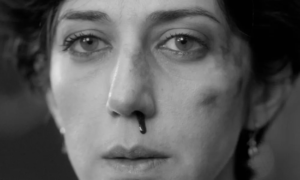
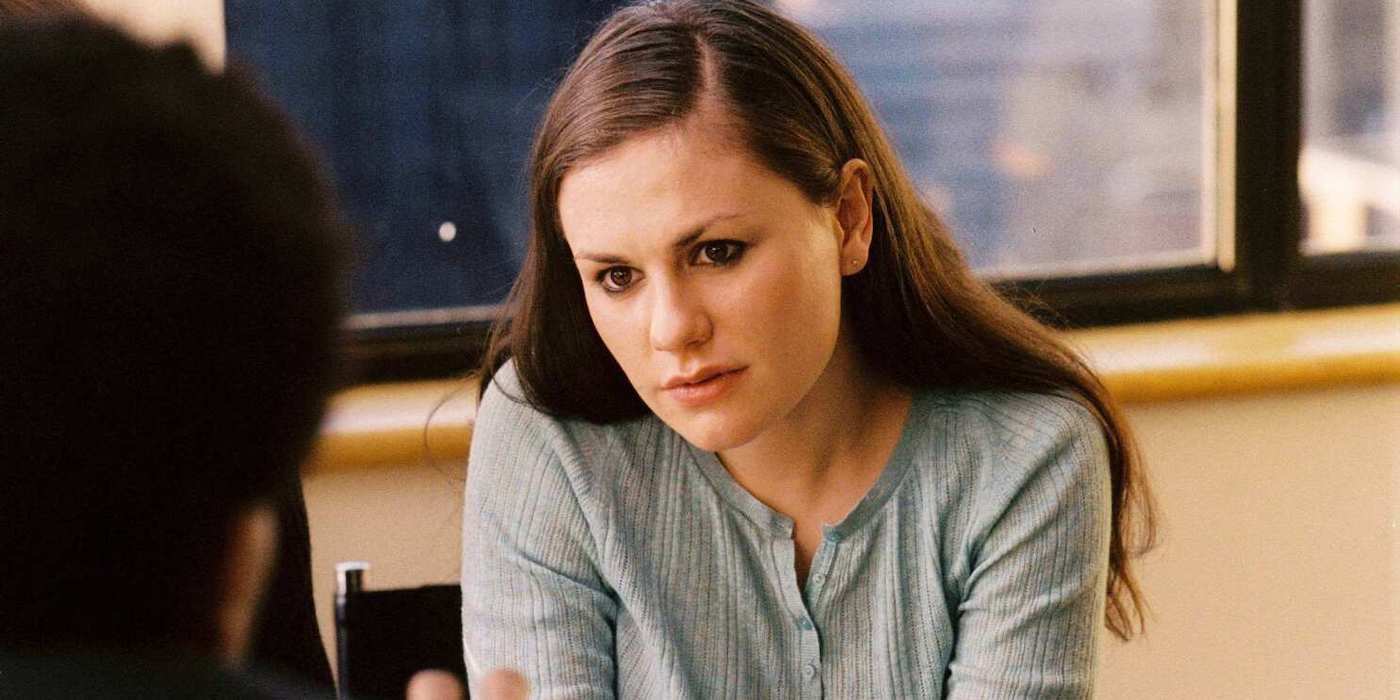
Margaret, the title referencing a poem taught in a classroom, follows Lisa Cohen (Paquin), a 17-year-old in Manhattan who inadvertently distracts a bus driver (played by Ruffalo) on the street, who subsequently fatally strikes a pedestrian, Monica Patterson (Janney). With the body falling in Lisa’s arms, she grapples with extreme guilt throughout the film, as she becomes entangled in a wrongful death lawsuit with the MTA and struggles with the usual stresses and anxiety of life as a teenager, including her tumultuous relationship with her mother, Joan (Lonergan’s wife J. Smith-Cameron).
Margaret’s lofty premise feels scientifically designed to perplex and aggravate profit-minded studio executives. All you need to know about the difficulty of realizing this audacious vision, outlined in this Hollywood Reporter story, is that principal photography took place in 2005, six years before it would finally be released in limited theaters. Lonergan took his time editing the film, even receiving a loan from one of his co-stars and closest friends, Matthew Broderick, to buy time. However, producer Gary Gilbert was unhappy with Lonergan’s “incoherent” two-and-a-half-hour cut and demanded a trimmed two-hour version.
After disputes over reneging financial agreements and who had ownership of the final cut, Lonergan, Gilbert, and Fox Searchlight engaged in an interminable lawsuit that would finally settle in 2014, three years after Margaret‘s release. Amid all the legal battles, with Gilbert claiming Lonergan didn’t fulfill his duties efficiently and punctually as a director, Martin Scorsese, a champion of the arts, attempted to step in as a mediator. Inspired by watching Lonergan’s initial cut, calling it a “masterpiece,” Scorsese worked pro bono and re-cut Margaret to satisfy the original vision. However, Gilbert wasn’t satisfied, and this cut went nowhere. Years later, Lonergan would eventually release a director’s cut (which is harder to locate on streaming and physical media), but the Scorsese cut is seemingly lost.
The Overwhelming Ambition and Power of Kenneth Lonergan’s ‘Margaret’ Needs to be Seen
There was so much drama surrounding Margaret‘s production that it’s easy to gloss over the breathtaking ambition and power behind the film itself, which is admittedly divisive and challenging, but it’s worthy of endless analysis of its themes and intentions. It’s a film about everything and nothing simultaneously, reflecting the aimlessness of America (specifically NYC) in the aftermath of September 11th. For Lisa Cohen, the character responsible for Anna Paquin’s finest performance, one tragic road accident leads to nearly three hours of philosophical ruminations about life and the panic of various threats in life, from terrorism to sexuality.
The film is a worthy companion piece to Magnolia, another film where its ambition is its selling point, as Margaret also explores the domino effect of one minor action leading to a grave consequence and the unraveling of the human psyche. Margaret practically requires a re-watch for all first-time viewers, with everything that Lonergan throws at you being overwhelming to the senses to the point of feeling messy. Of course, its disorderly narrative is the point. When you’re so wrapped up in guilt and self-centeredness about your own impact on the world, reality becomes a blur.
Considering that Margaret‘s underlying themes and intentions remain so elusive to the characters and audience, it’s apt that the raw, master cut of one of this century’s most profound cinematic visions will likely never see the light of day. At the very least, Kenneth Lonergan released something to the best of his possible satisfaction.

- Release Date
-
September 30, 2011
- Runtime
-
150 Minutes
- Director
-
Kenneth Lonergan
- Writers
-
Kenneth Lonergan