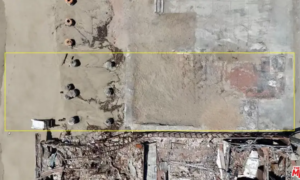
A 20-something worker at a semiconductor construction site in Pyeongtaek, Gyeonggi Province claims he was violently attacked during a company dinner only to be denied industrial accident compensation and classified as a “voluntary resignation.”
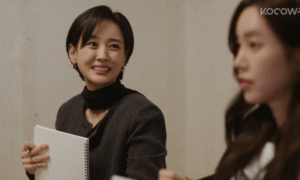
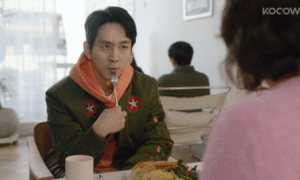
The case surfaced on the April 25 broadcast of JTBC’s Crime Chief, where the victim shared his ordeal.
According to his report, the victim had been working at various subcontracted companies on the Samsung semiconductor project after completing his military service in June 2023. By December, he was assisting with welding and piping operations.
The incident occurred on March 5, during a company dinner organized by his team leader. After a minor argument with a coworker he knew well, the victim stepped out for a smoke. When he returned, a senior employee in his 50s smashed a soju bottle over his head and attacked his face and neck with the broken glass.

The assault left the victim with deep wounds around his ear, jaw, and neck, requiring 45 stitches and a three-week medical leave diagnosis. Doctors indicated that scar treatment could take over a year.
The attacker has since been indicted for aggravated assault and is currently standing trial. The victim is also considering pursuing a civil lawsuit after the criminal proceedings conclude.
However, the victim’s battle didn’t end with physical recovery. He claims that when he approached the company to file for industrial accident (workers’ comp) coverage and sick leave, the requests were flatly denied. Management allegedly argued that the dinner was a private gathering and thus not a work-related event.

Moreover, the company reportedly pressured him repeatedly to submit a resignation letter. Despite refusing, the victim discovered that he had been unilaterally processed as resigned.
According to records from the National Health Insurance Service, his employment status was listed as terminated on March 6, just one day after the incident.
The company countered by stating through the media:
“The employee clearly expressed his desire to take time off for medical treatment, and the resignation process was carried out at his request.”
However, the victim firmly denies this, stating:
“I never submitted a resignation letter or said I wanted to quit. I only discussed industrial accident coverage and medical leave with the company two days after the incident.”
The victim has since filed a complaint with the Ministry of Employment and Labor, demanding remedies for what he claims was an unfair dismissal.
As investigations continue, this case highlights disturbing questions about worker rights, employer accountability, and the handling of workplace violence in South Korea’s labor environment.